02 Feb
A Comprehensive Guide to Scale Inhibitors and Dispersants: Classification and Industrial Applications
In industrial water systems—such as cooling towers, boilers, and reverse osmosis (RO) units—scale formation is a silent efficiency killer. Scaling leads to overheating, increased energy consumption, and premature equipment failure. To combat this, the use of Scale Inhibitors and Dispersants is critical.
Understanding the classification of these agents is essential for selecting the right chemical treatment for your specific water chemistry. This guide provides a detailed breakdown of scale control technologies, featuring high-performance solutions from Yuanlian Chemical.
1. What are Scale Inhibitors and Dispersants?
While often used together, these two agents function differently:
Scale Inhibitors: Prevent the formation of scale by interfering with crystal growth (Threshold Effect).
Dispersants: Keep insoluble particles (sludge, silt, or iron) suspended in water, preventing them from settling on heat transfer surfaces.
2. Classification by Chemical Composition
Scale inhibitors are generally categorized into three primary groups based on their active functional groups:
A. Organic Phosphonates (The Traditional Standard)
Organic phosphonates are widely used due to their excellent thermal stability and ability to inhibit calcium carbonate and sulfate scales. Common types include:
HEDP: Effective for calcium carbonate scale.
ATMP: Excellent for preventing scale in circulating cooling water.
DTPMPA: High efficiency in extreme pH and temperature conditions.
B. Synthetic Polymer Dispersants
Polymers are the "workhorses" of dispersion. They carry a negative charge that repels scale particles, keeping them suspended.
Polyacrylic Acid (PAA): A standard dispersant for calcium carbonate.
Polymaleic Acid (HPMA): Highly effective in high-temperature and high-alkalinity systems.
Sulfonated Copolymers: The preferred choice for dispersing calcium phosphate and iron oxide.
C. Green & Biodegradable Inhibitors (The Future)
With tightening environmental regulations regarding phosphorus discharge, "Green" inhibitors are becoming the industry priority.
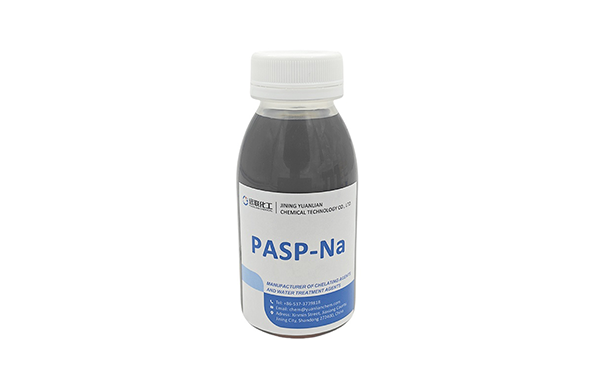
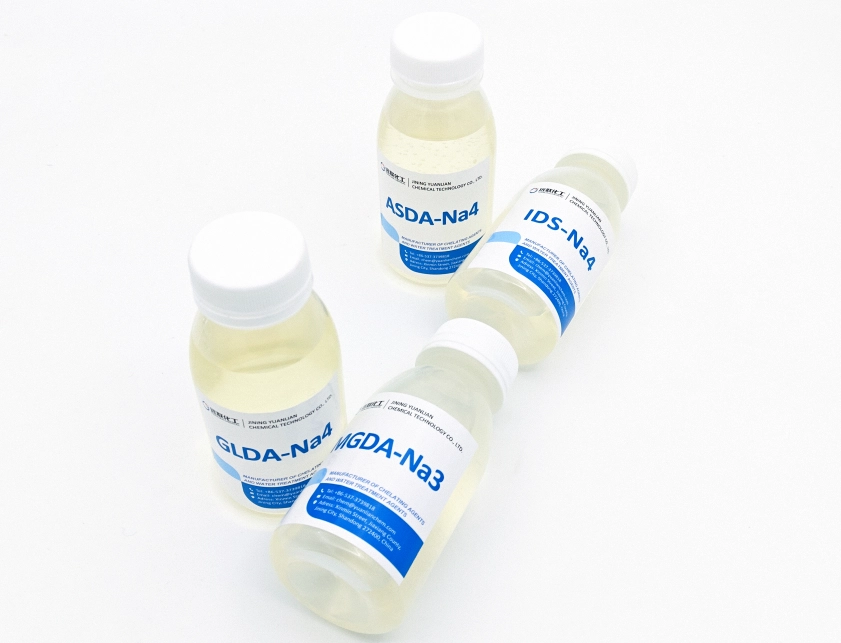
Polyaspartic Acid (PASP): A nitrogen-free, phosphorus-free, and fully biodegradable polymer.
Glutamic Acid Diacetic Acid (GLDA): A bio-based chelating agent with excellent solubility.
3. Classification by Function and Mechanism
Beyond chemistry, these agents are classified by how they interact with minerals:
Threshold Inhibitors: These work at very low concentrations (sub-stoichiometric) to prevent the precipitation of minerals.
Chelating Agents: They bind with metal ions (Ca²⁺, Mg²⁺, Fe³⁺) to form soluble, stable ring structures, effectively "masking" the ions.
Crystal Modifiers: They distort the crystalline structure of the scale, turning hard, marble-like scale into soft, non-adherent sludge.
4. Selection Criteria: Choosing the Right Agent
When selecting a dispersant or inhibitor, water treatment professionals must consider:
Langelier Saturation Index (LSI): To predict scaling potential.
Operating Temperature: High temperatures require thermally stable polymers like HPMA.
Environmental Regulations: Phosphorus-sensitive areas should prioritize PASP or GLDA.
5. Why Partner with Yuanlian Chemical?
Yuanlian Chemical specializes in the R&D and supply of high-performance water treatment chemicals. We offer a full spectrum of inhibitors ranging from traditional phosphonates to cutting-edge green polymers.
Precision Engineering: Our products are optimized for specific industrial challenges, from RO membrane protection to high-alkalinity cooling loops.
Eco-Friendly Focus: We help enterprises meet ESG goals with our biodegradable PASP and GLDA series.
Technical Expertise: We provide water analysis and dosage optimization to ensure maximum cost-efficiency.
Get a Professional Water Treatment Solution:For product specifications or custom formulation advice, contact the Yuanlian Chemical technical team.Phone/Contact: +86-537-3739818
6. Conclusion
The classification of scale inhibitors and dispersants reflects the diversity of industrial water challenges. Whether you need the robust performance of phosphonates or the environmental profile of green polymers, choosing the correct category is the first step toward operational excellence.
Latest News



Need help
Prefer speaking with a human to filling out a form? call corporate office and we will connect you with a team member who can help.