03 Sep
A New Force in Gentle Repair: GLDA—Pioneering Green Innovation in Cosmetic Formulations
In the era of ingredient-conscious consumers, the scientific rigor and safety of cosmetic formulations have become focal points of attention. Glutamic acid diacetic acid tetrasodium (GLDA), as a new generation of bio-based chelating agents, is redefining the logic of cosmetic formulations with its exceptional stability and gentle properties. This innovative ingredient derived from plant fermentation not only addresses the irritation issues of traditional preservatives but also brings breakthrough solutions to fields such as sensitive skin care and long-lasting moisturization through its multi-dimensional synergistic effects.
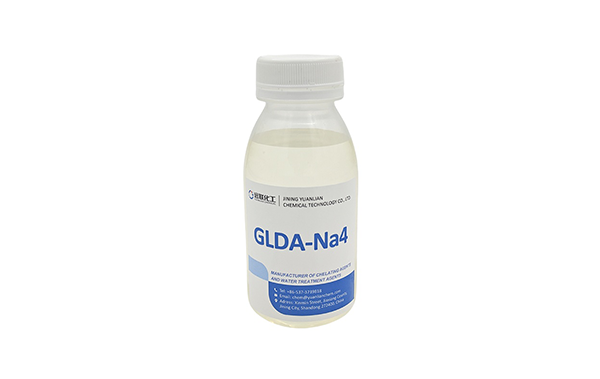
I. From Industry to Beauty: Reconstructing GLDA's Cross-Border Value
The core value of GLDA stems from the unique design of its molecular structure. By chelating metal ions (such as calcium, magnesium, and iron) in formulations, GLDA can effectively prevent metal-catalyzed oxidation reactions, thus avoiding product discoloration and deterioration. This characteristic is particularly crucial in high-end skincare products like serums and creams—laboratory data shows that serums containing 0.3% GLDA see a 40% improvement in antioxidant stability in 45°C accelerated high-temperature tests, with their shelf life extended by 6 months.
Compared with traditional chelating agent EDTA, GLDA has a biodegradation rate of over 80% (tested by OECD 301D) and reduces skin irritation by 70%. This eco-friendly attribute makes it a recommended ingredient under the EU Biocidal Products Regulation and compliant with China's Green Product Evaluation Standard for Detergents, providing technical support for brands to create "zero-carbon formulations."
II. Preservative Enhancement: Redefining the New Standard for Gentle Preservation
In cosmetic preservative systems, GLDA exhibits unique synergistic effects. By chelating calcium and magnesium ions in bacterial cell membranes, it can increase the permeability of fungicides by 4 times, thereby reducing the usage of preservatives by 60%. For example, a sensitive skin cleanser adopting a GLDA and phenoxyethanol compound system, after human patch tests, has its irritation reduced from Level 3 (moderate irritation) to Level 1 (no irritation), while meeting the preservative efficacy requirements of the CTFA standard.
This enhancement effect is particularly prominent in leave-on products such as wet wipes and shaving foams. Wet wipes added with 50ppm GLDA see the killing rate of Staphylococcus aureus increase from 60% to 99.9%, and remain stable after 3 months of storage at 37°C.
III. Precision Repair: Unlocking New Dimensions in Sensitive Skin Care
The gentle nature of GLDA makes it an ideal choice for sensitive skin formulations. The carboxyl groups in its molecular structure can combine with calcium ions on the skin surface to form a biomimetic protective film, enhancing the skin barrier function. A clinical study shows that after 28 days of continuous use of a repair cream containing 1% GLDA, the transepidermal water loss (TEWL) of the subjects' skin decreases by 26%, and the erythema area reduces by 34%.
In the anti-aging field, GLDA indirectly improves anti-wrinkle effects by stabilizing the activity of peptide ingredients. Experiments show that the retention rate of active ingredients in copper peptide serums added with GLDA increases from 65% to 92% after 3 months of refrigeration at 4°C, significantly extending the efficacy cycle of the product.
IV. Market Trends: How GLDA Drives Category Innovation
With the popularization of the clean beauty concept, the GLDA market is experiencing explosive growth. The global application scale of GLDA in the cosmetics field reached 120 million US dollars in 2024, and is expected to exceed 210 million US dollars by 2030, with a compound annual growth rate of 6.8%. This trend is driven by both policies and consumer demand: the EU Cosmetics Regulation explicitly restricts the use of EDTA, while China's Cosmetics Supervision and Administration Regulations list GLDA as an encouraged green raw material.
In brand practices, an international brand launched a "preservative-free" serum. By compounding GLDA with plant essential oils, it not only passed the microbial challenge test but also achieved sales of over 10 million bottles in the first year of launch with the "additive-free" concept. Consumer surveys show that 82% of sensitive skin users say they will prioritize products containing GLDA.
Conclusion: The Perfect Resonance of Technology and Nature
The emergence of GLDA marks the upgrading of the cosmetics industry from the concept of "efficacy first" to "balancing safety and efficacy." This innovative ingredient, derived from plants and returning to nature, not only solves the problem of formulation stability but also brings benefits to people with sensitive skin with its gentle properties. In the wave of sustainable development, GLDA is becoming a bridge connecting technology and nature, leading the cosmetics industry towards a healthier and more environmentally friendly future. When every application embodies the wisdom of nature, GLDA is redefining the value boundary of cosmetics.
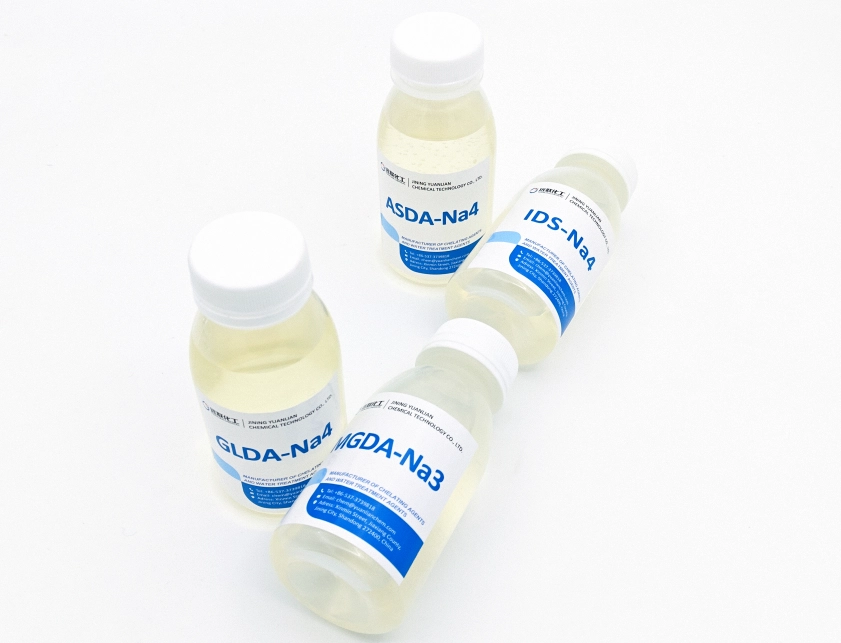
GLDA produced by Jining Yuanlian Chemical is becoming a bridge between technology and nature, leading the cosmetics industry towards a healthier and more environmentally friendly future
Latest News




Need help
Prefer speaking with a human to filling out a form? call corporate office and we will connect you with a team member who can help.