23 Dec
Advancing Water-soluble Fertilizers with Polyaspartic Acid: Innovations and Benefits by Yuanlian Chemical
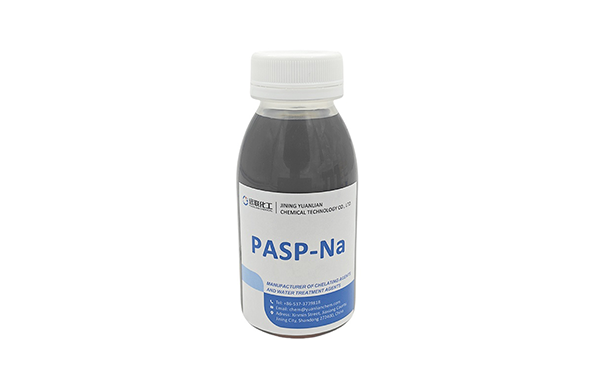
Water-soluble fertilizers have revolutionized modern agriculture by offering precise nutrient delivery through irrigation systems, but their efficiency can be hampered by nutrient leaching and poor plant absorption. This is where polyaspartic acid (PASP), a biodegradable polymer, steps in to enhance performance. Known for its eco-friendly properties, PASP acts as a chelating agent that binds essential nutrients like nitrogen, phosphorus, and potassium, ensuring they remain available for plant uptake. In water-soluble formulations, this compound significantly reduces nutrient runoff, which is a common issue in intensive farming. As a result, crops receive a more consistent supply of minerals, leading to improved growth rates, higher yields, and better stress resistance. For instance, studies show that incorporating PASP into fertilizers can increase nutrient use efficiency by up to 30%, translating to substantial cost savings for farmers and minimized environmental impact.
The mechanism behind PASP's effectiveness lies in its unique molecular structure. As a synthetic analog of naturally occurring aspartic acid, it forms stable complexes with micronutrients, preventing them from binding to soil particles or volatilizing. This is particularly beneficial in water-soluble fertilizers, where rapid dissolution often leads to quick nutrient loss if not stabilized. By adding PASP, these fertilizers maintain a slow-release profile, allowing roots to absorb nutrients gradually over time. Farmers can apply such enhanced products through drip irrigation or foliar sprays, achieving uniform distribution without the need for frequent reapplications. Yuanlian Chemical, a leader in agricultural innovation, has pioneered the integration of PASP into their water-soluble fertilizer lines. Their research-driven approach ensures that each formula is optimized for maximum bioavailability, supporting crops from seed to harvest. Products like Yuanlian's "PASP-Enhance" series demonstrate how targeted chelation can boost nutrient retention in diverse soils, making them ideal for high-value crops such as fruits and vegetables where precision nutrition is critical.
Beyond basic nutrient delivery, PASP contributes to sustainable agriculture by promoting soil health. Its biodegradability means it breaks down harmlessly after use, unlike synthetic additives that accumulate toxins. When used in water-soluble fertilizers, it reduces the need for chemical inputs, lowering the carbon footprint of farming operations. Yuanlian Chemical emphasizes this aspect in their solutions, aligning with global trends toward eco-conscious farming. Their PASP-enhanced fertilizers have been tested in field trials, showing marked improvements in crop quality—such as enhanced fruit size and sugar content—while conserving water resources through efficient irrigation. This combination of economic and environmental benefits makes PASP an invaluable tool for modern growers facing challenges like climate change and resource scarcity.
Moreover, Yuanlian Chemical's commitment to innovation extends to educating farmers on best practices. Through workshops and digital platforms, they share insights on optimizing PASP-incorporated fertilizers for different conditions, ensuring adaptability across varied climates and crop types. As the demand for efficient, sustainable farming grows, the role of polyaspartic acid will only expand, promising a future where water-soluble fertilizers deliver not just nutrients but long-term resilience. Embracing technologies like those from Yuanlian Chemical can drive agricultural productivity forward, supporting food security and planetary health.
Latest News



Need help
Prefer speaking with a human to filling out a form? call corporate office and we will connect you with a team member who can help.