31 Dec
Enhancing Crop Nutrition with Polyaspartic Acid in Water-Soluble Fertilizers
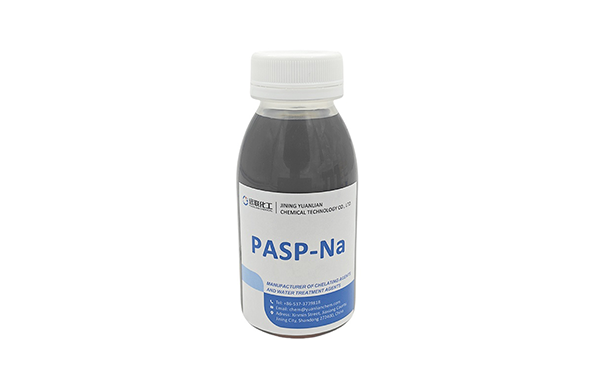
In today's rapidly evolving agricultural landscape, the quest for sustainable and efficient farming practices has led to innovations like polyaspartic acid (PASP) as a game-changing additive in water-soluble fertilizers. As global food demand rises, optimizing nutrient delivery systems becomes crucial. PASP, a biodegradable polymer derived from aspartic acid, offers remarkable benefits when integrated into these fertilizers, enhancing plant growth while minimizing environmental footprints. This article delves into the science behind PASP, its mechanisms in water-soluble formulations, practical applications, and the broader implications for modern agriculture.
Polyaspartic acid is not just another chemical compound—it represents a shift toward eco-friendly solutions. Chemically, it belongs to the family of polyamino acids, characterized by repeating units that enable superior chelating properties. These properties allow PASP to bind effectively with micronutrients such as iron, zinc, copper, and manganese, preventing their precipitation or leaching in soils. This ensures that essential elements remain bioavailable for plant roots. Moreover, PASP's biodegradability means it breaks down naturally without leaving toxic residues, aligning perfectly with circular economy principles. Its non-toxic nature makes it safe for use across diverse crops, from high-value fruits to staple grains, without posing risks to human health or ecosystems.
Water-soluble fertilizers (WSFs), on the other hand, have revolutionized nutrient management by dissolving completely in water for easy application through irrigation systems like drip lines or foliar sprays. Unlike traditional granular fertilizers, WSFs deliver nutrients directly to plant roots, offering rapid uptake and reducing wastage. This immediacy is particularly valuable in controlled environments such as greenhouses or arid regions where water scarcity demands precision. WSFs typically contain nitrogen, phosphorus, potassium, and micronutrients in balanced ratios, but their efficiency can be hampered by issues like nutrient lock-up or volatilization. That's where PASP steps in, acting as a multifunctional enhancer to amplify these fertilizers' performance.
The integration of PASP into water-soluble fertilizers works through several synergistic mechanisms. Primarily, as a chelating agent, PASP forms stable complexes with metal ions, shielding them from reactions with soil components that could render them insoluble. For instance, in alkaline soils, iron often becomes unavailable, but PASP keeps it soluble, facilitating better absorption. Additionally, PASP improves the physical properties of WSFs by reducing sedimentation and preventing clogging in irrigation equipment, which extends system lifespan and lowers maintenance costs. Field studies, such as those conducted on tomato and maize crops, reveal that PASP-treated WSFs boost nutrient uptake efficiency by up to 30%, leading to faster germination, stronger root development, and heightened resistance to abiotic stresses like salinity or drought. This isn't just theoretical—commercial trials in regions like California's Central Valley have demonstrated yield increases of 15-25% while cutting fertilizer usage by an equivalent margin.
The environmental benefits of combining PASP with WSFs are profound and multifaceted. By enhancing nutrient retention in the root zone, PASP minimizes runoff into waterways, thereby curbing eutrophication—a major cause of algal blooms and biodiversity loss. Consider that conventional fertilizers can lose up to 50% of nutrients through leaching; PASP reduces this by forming protective complexes, slashing nitrogen loss by 20-40%. Economically, this translates to substantial savings for farmers, as reduced input costs combined with higher yields improve profitability. A case study on rice paddies in Southeast Asia showed that PASP-amended WSFs lowered fertilizer expenses by 15% while increasing harvests, offering a quick return on investment. From a sustainability angle, PASP supports organic and regenerative farming by reducing reliance on synthetic chemicals, promoting soil health through improved microbial activity, and contributing to carbon sequestration efforts.
Despite these advantages, challenges remain in scaling PASP's adoption in water-soluble fertilizers. Cost is a primary barrier, as PASP production currently involves energy-intensive processes that can make end-products more expensive than standard options. However, advancements in biotechnology are streamlining synthesis using enzymatic methods, promising cost reductions. Market awareness is another hurdle, with many growers unaware of PASP's benefits. Educational campaigns and pilot programs, like those in European vineyards, are bridging this gap by showcasing real-world success stories. Looking ahead, research is focusing on next-generation PASP formulations, such as nano-encapsulated versions for slow-release delivery, or blends with other biostimulants like humic acids for synergistic effects. Industry trends indicate a surge in demand for sustainable fertilizers, with projections suggesting that PASP-enhanced WSFs could capture 10-15% of the global market by 2030, driven by policies favoring green agriculture.
In essence, polyaspartic acid is not merely an additive but a cornerstone of innovation for water-soluble fertilizers. Its ability to boost nutrient efficiency, coupled with environmental and economic perks, makes it indispensable for feeding a growing population sustainably. As research unlocks new potentials, PASP will undoubtedly play a pivotal role in shaping resilient and productive farming systems worldwide.
Latest News



Need help
Prefer speaking with a human to filling out a form? call corporate office and we will connect you with a team member who can help.