22 Oct
Enhancing Industrial Stability with Imino Disuccinic Acid Tetrasodium Salt in European Applications
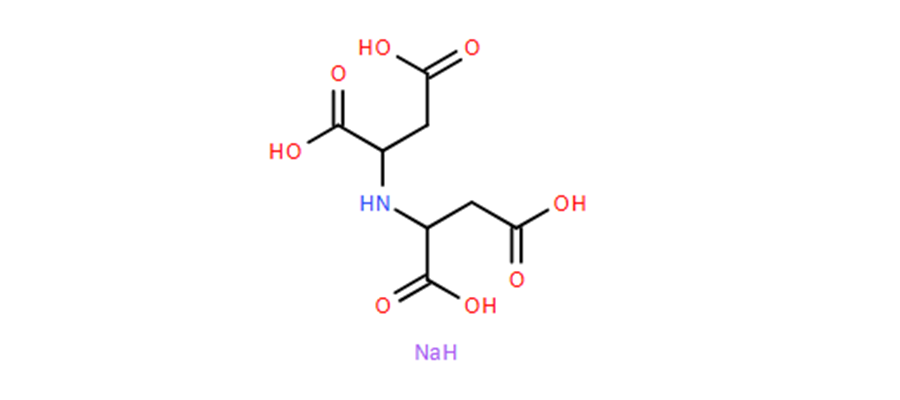
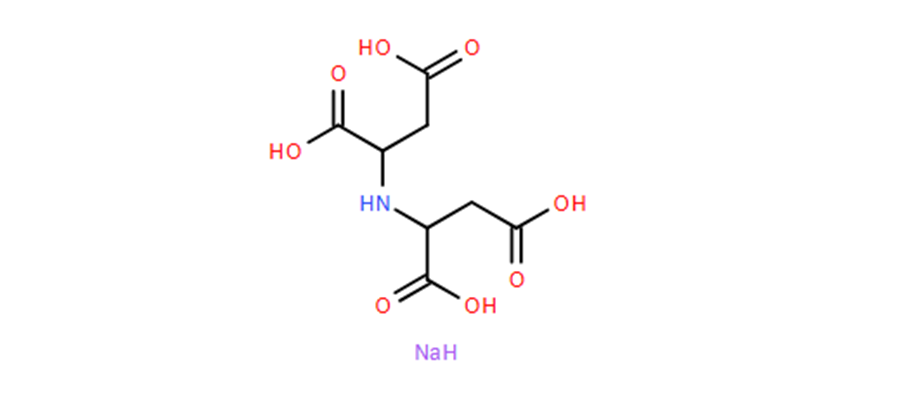
In today's competitive industrial landscape, achieving reliable stability across various processes is paramount for efficiency and sustainability. Imino disuccinic acid tetrasodium salt (IDS-4Na) stands out as a highly effective stabilizer, particularly suited to European markets where stringent environmental regulations and performance demands prevail. This compound, derived from succinic acid, functions as a powerful chelating agent that binds metal ions, preventing unwanted interactions that lead to degradation. Its molecular structure ensures compatibility with diverse formulations, making it a versatile choice in multiple sectors. As industries across Europe prioritize eco-innovation, IDS-4Na offers a solution that balances technical excellence with regulatory compliance, such as EU REACH guidelines. This article explores the practical applications, benefits, and tailored use cases of IDS-4Na as a stabilizer, highlighting its role in driving sustainable industrial progress.
Chemical Properties of IDS-4Na as a Stabilizer
Chemical stability begins with the inherent properties of the additive. Imino disuccinic acid tetrasodium salt is characterized by its high solubility in water, excellent sequestering power for metals like calcium and magnesium, and biodegradability under standard conditions. This makes it an ideal stabilizer in environments where preventing scale formation, corrosion, and oxidation is critical. In the chemical industry, for instance, it maintains the integrity of aqueous solutions during manufacturing, ensuring consistent product quality by neutralizing impurities that cause instability. The salt's tetrasodium form enhances stability without contributing to toxicity, meeting Europe's preference for safer chemical alternatives. As industrial processes evolve towards greener practices, IDS-4Na's low ecological footprint aligns with the European Green Deal, fostering adoption in innovation-driven economies from Germany to Scandinavia.
Applications of IDS-4Na in European Industries
Applying IDS-4Na as a stabilizer reveals its broad utility, especially in sectors vital to the European economy. In water treatment applications, it stabilizes hardness ions in municipal and industrial systems, preventing scale buildup that can clog pipelines and reduce efficiency. This application is crucial for regions with hard water, such as the UK and France, where it reduces maintenance costs and extends equipment lifespan. Similarly, in the detergent and cleaning industry, IDS-4Na acts as a stabilizer in formulations, ensuring enzymes and bleaches remain effective during storage and use. This enhances product shelf life while lowering environmental impact, catering to EU demands for phosphate-free cleaners that perform reliably. Moreover, in agricultural and pharmaceutical sectors, it stabilizes nutrient formulations and active ingredients, preventing degradation that could compromise safety or efficacy. For example, in Nordic countries, IDS-4Na is incorporated into fertilizer blends to stabilize micronutrients, improving crop yields sustainably. These applications underscore the compound's adaptability across diverse European contexts, driven by its cost-efficiency and regulatory compatibility.
Benefits of Using IDS-4Na for Industrial Stability
The benefits of using IDS-4Na extend beyond technical performance to encompass sustainability and economic gains, which resonate strongly in European decision-making. As a biodegradable stabilizer, it decomposes rapidly without leaving persistent residues, addressing pollution concerns and supporting circular economy initiatives. This eco-profile positions IDS-4Na as a preferred alternative to traditional phosphates or EDTA-based compounds, which face restrictions under EU chemical policies. Environmentally, it minimizes aquatic toxicity, aligning with directives like the Water Framework Directive, thus reducing the risk of regulatory penalties. From an economic standpoint, its high efficiency means lower dosage requirements compared to other stabilizers, yielding cost savings in bulk applications—ideal for industries like German manufacturing or Dutch agri-tech. Performance-wise, it provides reliable stability even under extreme conditions, such as high temperatures or pH variations, ensuring operational consistency. Case studies show that switching to IDS-4Na has cut scaling incidents by up to 70% in textile dyeing processes in Italy, highlighting its real-world impact. Overall, these advantages foster resilience in supply chains, supporting Europe's industrial competitiveness while advancing global sustainability goals.
Regulatory Compliance and Safety of IDS-4Na in Europe
Navigating European regulations is simplified with IDS-4Na, as it harmonizes with the region's strict oversight to ensure safe and responsible usage. Under REACH (Registration, Evaluation, Authorisation, and Restriction of Chemicals), IDS-4Na has been assessed for low human and environmental risks, facilitating its approval across EU member states. Safety data sheets confirm its non-carcinogenic and non-ecotoxic properties, easing compliance in user industries like food packaging or cosmetics. Industry standards, such as those from the European Chemicals Agency, guide best practices for incorporating IDS-4Na into stabilizer blends, emphasizing traceability from raw materials to final products. This regulatory alignment empowers businesses to adopt it confidently, knowing it mitigates liabilities while enhancing reputations. For future prospects, research is expanding into niche applications, such as stabilizing renewable energy materials, which could drive innovation in sustainable sectors. To leverage IDS-4Na effectively, European firms should consult specialists for tailored formulations, ensuring optimal stability in line with localized needs and evolving standards.
Conclusion: The Role of IDS-4Na in Sustainable Industrial Innovation
In conclusion, imino disuccinic acid tetrasodium salt emerges as a cornerstone stabilizer for European industries, offering unparalleled reliability, eco-friendliness, and regulatory synergy. Its applications in water treatment, cleaning products, and beyond demonstrate how it transforms stability challenges into opportunities for growth. By embracing IDS-4Na, businesses can achieve operational excellence while contributing to a greener economy. Forward-thinking strategies should prioritize its integration to harness long-term benefits, reinforcing Europe's leadership in sustainable industrial innovation.
Latest News



Need help
Prefer speaking with a human to filling out a form? call corporate office and we will connect you with a team member who can help.