18 Mar
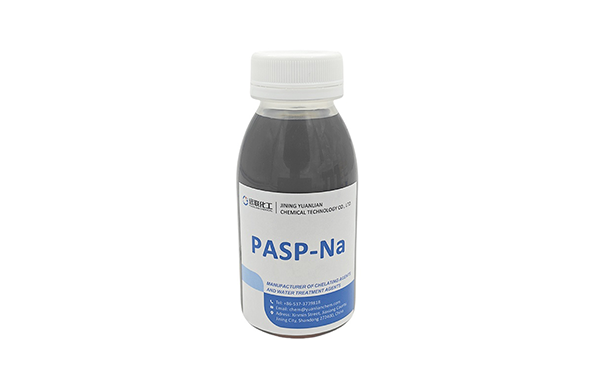
Polyaspartic Acid (PASP): A Green Revolution in Fertilizers
Fertilizer use is crucial in agricultural production, directly impacting crop yield and quality. However, traditional fertilizers are plagued by numerous issues, such as low utilization rates and soil damage. Recently, a substance called polyaspartic acid (PASP) is emerging as a promising new material, revolutionizing the fertilizer industry.
1. Biomimetic Chemistry: Understanding the Structure of PASP
Polyaspartic acid is a synthetic, biomimetic polypeptide carboxylic acid polymer. Its molecular structure contains numerous active groups, such as amide bonds and carboxyl groups. These active groups endow PASP with strong chelating, dispersing, and adsorption properties, resulting in excellent performance in fertilizer applications. Furthermore, PASP is phosphate-free, non-toxic, and biodegradable, making it an environmentally friendly biopolymer. These characteristics make it particularly valuable in today's environmentally conscious world.
2. The Nutrient Navigator: Boosting Fertilizer Utilization by 20%-40%
As a fertilizer enhancer, PASP is highly effective in improving fertilizer utilization. When traditional chemical fertilizers are applied to the soil, most of the nutrients are wasted due to volatilization, leaching, or solidification, leaving only a small fraction actually absorbed and utilized by crops. The emergence of PASP has changed this situation. It acts as a "navigator," precisely delivering nutrients to crop roots. Its molecular chains are dotted with "tentacles" such as carboxyl and amide groups, which precisely capture nitrogen, phosphorus, potassium, and trace elements in the soil, forming soluble complexes and effectively reducing nutrient fixation or loss with water. Studies have shown that the application of polyaspartic acid can increase fertilizer utilization efficiency by an average of 20%-40%, meaning that for the same yield, chemical fertilizer usage can be significantly reduced (by 10%-30%). Adding modified PASP to Hong Sifang's "Xinjutian" compound fertilizer has increased wheat yield by up to 30% per mu and accelerated maturity by 7-10 days.
3. Growth Vitality: Stimulating Root Development and Yield Potential
PASP also promotes crop growth and increases yield. It's like a shot of growth vigour for crops, not only enhancing their comprehensive absorption of nitrogen, phosphorus, potassium, and trace elements, but also promoting root growth. Polyaspartic acid stimulates root development, particularly the growth of capillary roots, making them more developed and robust, significantly increasing their ability to absorb water and nutrients. Plants grow more vigorously, with thicker stems and lush, green leaves, laying a solid foundation for high yields. Extensive experimental data shows that combining polyaspartic acid with chemical fertilizers can increase yields of various crops by 8-30%. A study on wheat found that the application of polyaspartic acid with varying molecular weights promoted growth and increased dry matter accumulation, with root dry weight increasing by 11.90%-19.06% compared to the control group.
4. Soil Remediation: Improving Structure and Activating Nutrients
Notably, PASP has a soil-improving effect. Long-term use helps improve soil aggregate structure and reduce soil compaction. It promotes soil microbial activity, accelerates organic matter decomposition, and enhances soil water and nutrient retention, creating a healthier and more vibrant growing environment for crops. Long-term use of conventional chemical fertilizers can easily lead to soil compaction and acidification. PASP, however, neutralizes soil pH and activates nutrients. Two consecutive seasons of use in farmland can increase organic matter content by 15%.
5. Future Outlook: Leading the Way in Green and Sustainable Farming
In today's climate of promoting green agriculture and sustainable development, PASP, with its outstanding performance and environmentally friendly properties, has become an ideal fertilizer enhancer. Its application not only helps farmers increase crop yields and income, but also contributes to soil protection and sustainable agricultural development. We believe that with continued in-depth research and widespread application of PASP, it will play an even greater role in agricultural production, making our farmland more fertile and our agricultural products higher quality and safer.
Latest News



Need help
Prefer speaking with a human to filling out a form? call corporate office and we will connect you with a team member who can help.