At a Glance: Which One to Choose?
- The High-Strength Choice: Polycarboxylate (PCE) is superior for high-performance gypsum, offering water reduction rates of up to 30%.
- The Cost-Effective Choice: Naphthalene (SNF) remains a reliable, economical option for standard gypsum boards and low-requirement formulations.
- Key Difference: PCE works via steric hindrance, providing better flow retention, while SNF works via electrostatic repulsion.
Achieving high-strength gypsum requires a delicate balance: reducing water content while maintaining a flowable slurry for processing. This is where Superplasticizers play a vital role. In 2026, the industry is increasingly leaning toward more efficient, eco-friendly chemical solutions.
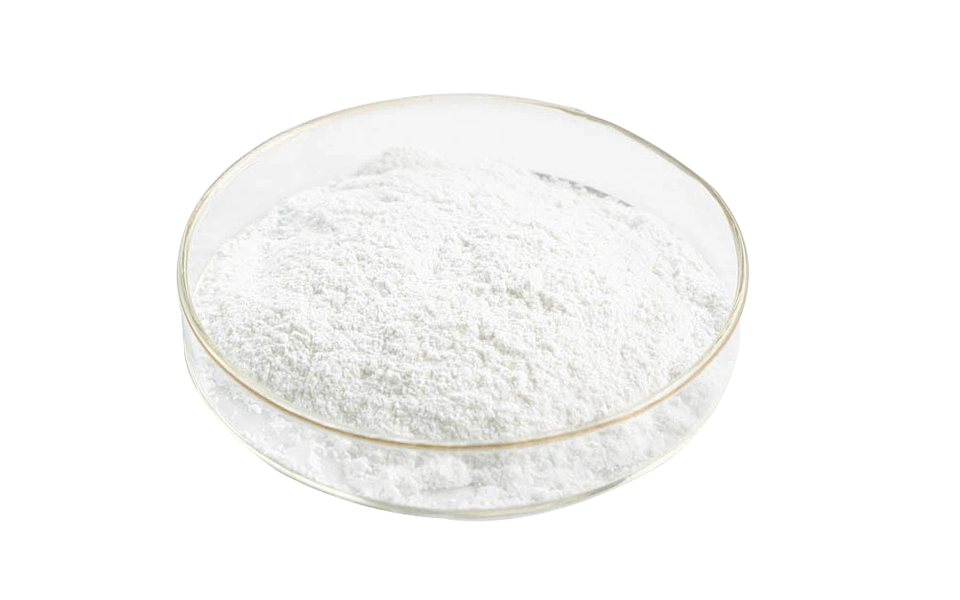
1. Naphthalene Sulfonate (SNF): The Traditional Workhorse
Naphthalene-based water reducers have been the industry standard for decades. They work by creating a negative charge on the gypsum particles, causing them to repel each other (electrostatic repulsion).
- Pros: Mature technology, lower initial cost, and excellent compatibility with most gypsum retarders.
- Cons: Lower water reduction limit (typically 15-20%), potential for air entrainment, and higher dosage requirements compared to PCE.
2. Polycarboxylate Superplasticizer (PCE): The High-Performance Innovator
PCE represents the next generation of gypsum additives. Its unique "comb-like" molecular structure provides both electrostatic repulsion and steric hindrance, preventing particles from agglomerating even at very low water-to-gypsum (W/G) ratios.
- High Water Reduction: Easily achieves 25-35% water reduction, leading to significantly higher cured strength.
- Better Morphology: Promotes the healthy growth of gypsum crystals (calcium sulfate dihydrate), resulting in a denser core structure.
- Low Dosage: Effective at much lower concentrations than SNF.
Technical Comparison: PCE vs. SNF in Gypsum Systems
| Feature | Naphthalene (SNF) | Polycarboxylate (PCE) |
|---|---|---|
| Mechanism | Electrostatic Repulsion | Steric Hindrance + Repulsion |
| Water Reduction Rate | 15% - 20% | 25% - 35% |
| Slump Retention | Moderate | Excellent |
| Impact on Strength | Good | Exceptional (Higher Density) |
Impact on the Gypsum Hydration Process
The choice of water reducer significantly affects the gypsum hydration process. SNF can sometimes interfere with the setting time, requiring more precise control of retarders. In contrast, modern PCE is often engineered specifically for alpha-calcium sulfate hemihydrate or beta-calcium sulfate hemihydrate, ensuring that the hydration curve remains predictable and optimal for factory throughput.
Strategic Recommendation for 2026
If you are manufacturing GRG (Glass Fiber Reinforced Gypsum), high-strength industrial molds, or premium self-leveling floors, Polycarboxylate Superplasticizer (PCE) is the undisputed winner due to its ability to produce ultra-high density at low water levels.
For large-scale, cost-sensitive gypsum board production where high water reduction isn't the primary goal, Naphthalene (SNF) still offers a competitive ROI.
PCE & SNF FAQ
Q: Can I use concrete PCE for gypsum products?
A: It is not recommended. Gypsum systems have different ionic environments than cement. You should use a PCE specifically optimized for gypsum to avoid retardation or lack of flow.
Q: Is PCE more expensive than SNF?
A: While the price per kilogram is higher for PCE, the actual cost of use is often lower because the required dosage is significantly smaller, and it reduces drying energy costs by lowering water content.