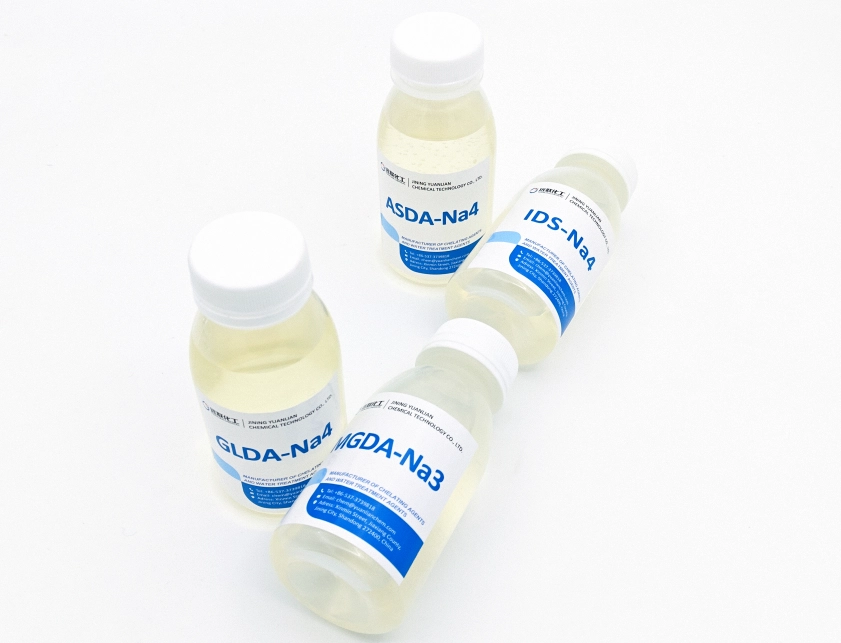
In the transition toward sustainable agriculture, the European fertilizer industry is increasingly prioritizing high-performance, eco-friendly chemical solutions. Traditional chelating agents like EDTA and DTPA, while effective, are under scrutiny due to their persistence in the environment. Methylglycine Diacetic Acid (MGDA) has emerged as a premier bio-based alternative, offering a powerful balance of chelation efficiency and rapid biodegradability.
This technical overview explores how MGDA chelated micronutrients are revolutionizing nutrient delivery systems by optimizing uptake while safeguarding soil health.
1. The Science of Bio-based Sequestration: Why MGDA?
MGDA is an amino acid-based chelating agent derived from alanine. Its molecular structure is designed for high stability across a wide pH spectrum, which is critical for maintaining the solubility of essential micronutrients in diverse soil conditions.
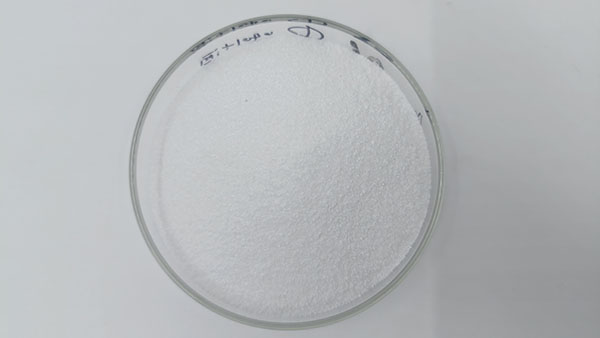
- Strong Coordination: MGDA forms stable, water-soluble complexes with metal ions such as Zinc (Zn²⁺), Manganese (Mn²⁺), and Copper (Cu²⁺).
- Alkaline Stability: Unlike many organic acids, MGDA retains its chelation power even in high-pH calcareous soils, preventing nutrient "lock-up."
- Rapid Biodegradability: Classified as "readily biodegradable" according to OECD 301 standards, MGDA breaks down quickly into harmless natural components, leaving no persistent chemical footprint in the rhizosphere.
2. Improving Nutrient Use Efficiency (NUE) in Modern Farming
The core objective of using biodegradable fertilizer additives is to maximize the percentage of applied nutrients that actually reach the plant. MGDA enhances NUE through several mechanisms:
- Enhanced Mobility: By preventing metal ions from reacting with soil phosphates or carbonates, MGDA ensures that micronutrients remain mobile and available for root interception.
- Foliar Efficiency: In foliar spray applications, the small molecular size of MGDA facilitates faster penetration through the leaf cuticle, providing rapid correction of nutrient deficiencies.
- Optimized Crop Yields: Improved bioavailability directly translates to stronger plant metabolism, better stress resistance, and higher final crop quality.
3. Technical Benefits for Fertilizer Formulators
For manufacturers producing premium liquid fertilizers or concentrated NPK mixes, MGDA offers superior handling characteristics:
- Excellent Solubility: MGDA salts are highly soluble in water, allowing for the creation of high-concentration micronutrient blends without the risk of crystallization.
- Chemical Compatibility: It shows high compatibility with a broad range of surfactants and other agrochemical components, simplifying the "tank-mix" process for end-users.
- Safe Handling: As a green chemical, MGDA has a more favorable toxicological profile compared to traditional synthetic chelates, ensuring safety for both producers and farmers.
Conclusion: A Green Path to Higher Yields
Incorporating MGDA chelated micronutrients into agricultural programs is a strategic step toward aligning productivity with the European Green Deal. By leveraging amino acid-based chelating agents, growers can achieve superior crop nutrition results while ensuring their farming practices remain sustainable for generations to come.
Advance Your Sustainable Formulation
Are you looking to replace EDTA with a high-efficiency, biodegradable solution? Contact our technical agronomy team today to request MGDA stability data, sample dossiers, and customized dosage guidelines for your specific crop needs.