10 Nov
The Science of Amino Acid Gypsum Retarders: Enhancing Performance in Alkaline Environments
For manufacturers of gypsum-based building materials across Europe, achieving precise control over setting time without compromising the final product's strength is a fundamental challenge. Traditional retarders often create a frustrating trade-off: extended workability at the cost of mechanical integrity.
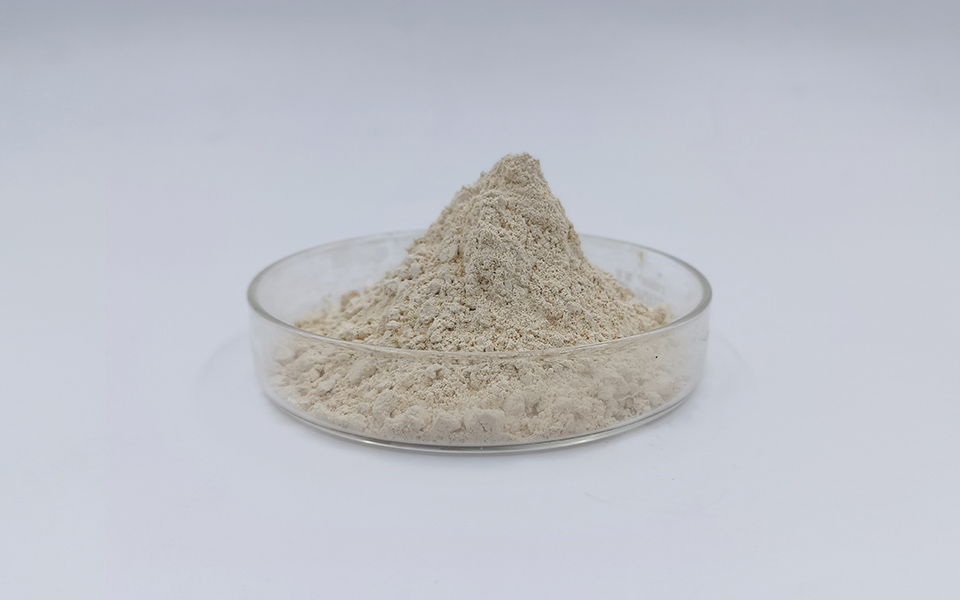
At Yuanlian Chemical, our innovation is rooted in a deep understanding of material science. We have developed a advanced Amino Acid-based Gypsum Retarder that not only efficiently delays the set but does so more effectively in alkaline environments, a key differentiator that delivers superior performance and protects your product quality.
1. Understanding the Core Mechanism: How Amino Acid Retarders Work
The setting of gypsum (calcium sulfate hemihydrate) is a process of crystallisation, where it reacts with water to form interlocking crystals of dihydrate gypsum. Amino acid-based retarders, derived from protein hydrolysates, intervene in this process through a sophisticated physical-chemical mechanism.
Targeted Adsorption: Molecules of these retarders are rich in functional groups, such as carboxyl groups (-COOH) and amino groups (-NH₂).
Surface Inhibition: These groups have a high affinity for the surface of newly formed dihydrate gypsum crystals. They adsorb onto the active growth sites of these crystals.
Crystal Growth Control: By forming a protective membrane, the retarder molecules create a barrier that hinders the contact between water and the unreacted gypsum, effectively suspending the growth and interlocking of the crystals. This results in a controlled and predictable delay in the setting time.
2. The Yuanlian Chemical Advantage: Alkaline-Activated Performance
While standard amino acid retarders function in neutral conditions, our product is engineered to leverage alkaline environments for significantly enhanced efficiency. This is a key technological breakthrough that provides a tangible performance benefit.
The principle behind this alkaline activation is as follows:
Enhanced Adsorption Power: In an alkaline medium, the carboxyl groups (-COOH) on the amino acid molecules are deprotonated, forming negatively charged carboxylate ions (-COO⁻). This increased negative charge strengthens the electrostatic attraction and adsorption onto the positively charged surfaces of the dihydrate crystals. The resulting film is denser and more robust, leading to more effective retardation per unit of retarder used.
Improved Dispersion: The alkaline environment promotes better dissolution and dispersion of the retarder molecules throughout the gypsum slurry. This ensures uniform performance and prevents localized inefficiencies, guaranteeing consistent results batch after batch.
Intelligent Strength Preservation: Our proprietary formulation interacts within the alkaline system to create a mild, supportive network during the hydration process. This network does not inhibit the final crystal formation but provides structural support, effectively compensating for the potential strength loss typically associated with retardation. The outcome is a high-strength final product.
3. Key Benefits for European Gypsum Manufacturers
Superior Retardation Efficiency: Achieve precise and extended setting times, from hours to dozens of hours, tailored to your production and application needs.
Exceptional Final Strength: Our technology specifically addresses the strength-loss dilemma. Expect 15-30% higher compressive and flexural strength compared to products retarded with conventional alternatives.
Optimal in Alkaline Systems: Delivers peak performance in systems like Flue Gas Desulphurisation (FGD) Gypsum, which is commonly used in Europe, and other alkaline-modified formulations.
Cost-Effectiveness: Due to its activated performance in alkaline conditions, the required dosage is often lower than that of standard retarders, reducing your overall production cost.
4. Applications & Usage Guidance
Our retarder is suitable for a wide range of applications:
Gypsum Plasterboards
Gypsum Blocks and Partitions
Machine-Applied and Hand-Applied Plasters
Gypsum Self-Levelling Underlayments (Screeds)
Moulded Gypsum Products
Recommended Dosage: Typically between 0.01% to 0.1% by weight of gypsum. The optimal dosage should be determined through tests with your specific gypsum and formulation.
5. Conclusion: A Smarter Choice for Quality and Performance
Selecting the right retarder is critical to the quality, efficiency, and profitability of your gypsum production. Yuanlian Chemical's Amino Acid Gypsum Retarder, with its scientifically proven alkaline-activated mechanism, offers a smarter, more reliable solution for modern manufacturers.
Ready to enhance your gypsum product performance without sacrificing strength?
Contact the Yuanlian Chemical technical team today. We provide comprehensive technical support and free product samples to validate the performance in your specific application.
Latest News



Need help
Prefer speaking with a human to filling out a form? call corporate office and we will connect you with a team member who can help.