26 Jan
The Ultimate Guide to Kitchen Cleaners: Choosing the Right Formula for a Sparkling, Safe Kitchen
The kitchen is the heart of the home, but it is also a magnet for stubborn grease, limescale, and food-borne bacteria. Using a single "all-purpose" spray often falls short of professional hygiene standards. To maintain a pristine cooking environment, it is essential to understand the specific categories of kitchen cleaners and their specialized functions.
In this guide, we break down the essential types of kitchen cleaners and how to use them effectively to protect your surfaces and your health.
1. Heavy-Duty Degreasers: The Enemy of Grease
Kitchen surfaces, especially stovetops, range hoods, and backsplashes, are prone to "polymerized grease"—that sticky, yellow film formed by airborne cooking oils.
How they work: Degreasers are alkaline-based cleaners (often containing surfactants or solvents like ethanolamines) that break the chemical bonds of fats and oils.
Best for: Range hoods, oven interiors, and greasy stovetops.
Pro Tip: For heavy buildup, apply the degreaser and let it sit for 5–10 minutes before wiping to allow the chemical reaction to emulsify the grease.
2. Multi-Surface Sanitizers: Beyond Surface Level
While degreasers remove grime, sanitizers kill the invisible threats: Salmonella, E. coli, and Listeria.
How they work: These contain antimicrobial agents (such as quaternary ammonium compounds or diluted sodium hypochlorite) that disrupt the cell membranes of pathogens.
Best for: Countertops, cutting boards, and sink handles.
Safety Note: Always ensure your sanitizer is "food-grade" if used on surfaces that come into direct contact with ingredients.
3. Descalers and Limescale Removers
If you live in a hard-water area, you’ve seen the white, crusty deposits around your faucets and inside your kettle.
How they work: Unlike degreasers, descalers are acidic (containing citric acid, lactic acid, or phosphoric acid). The acid reacts with the calcium carbonate (limescale), dissolving it into water-soluble minerals.
Best for: Faucets, kettles, dishwashers, and stainless steel sinks.
4. Specialized Stainless Steel Polishers
Stainless steel is durable but prone to fingerprints and water streaks.
How they work: These cleaners usually contain silicones or mineral oils. They leave a thin, protective microscopic film that repels water and prevents oils from sticking to the metal.
Best for: Refrigerator doors, dishwashers, and decorative steel trim.
Why Formulation Matters: The Yuanlian Chemical Advantage
At Yuanlian Chemical, we understand that a superior kitchen cleaner starts with superior raw materials. Whether you are a brand owner looking to develop a "Green Kitchen" line or an industrial cleaning contractor, the quality of your chelating agents and surfactants determines your success.
Our High-Performance Ingredients:
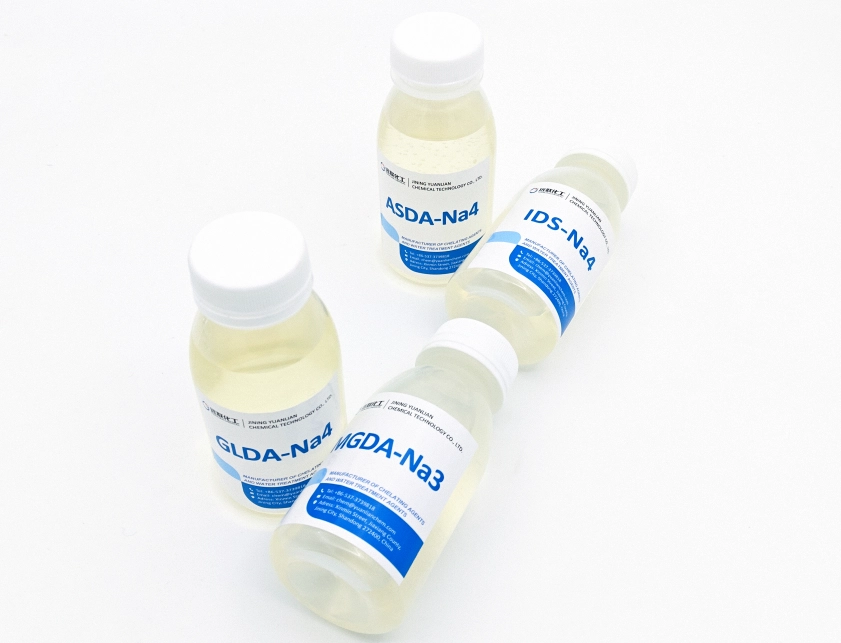
Green Chelating Agents (GLDA / MGDA): Our biodegradable sequestrants enhance cleaning power in hard water without the environmental footprint of EDTA.
Advanced Surfactants: We provide high-efficiency emulsifiers that tackle the toughest grease while remaining gentle on kitchen surfaces.
Synergistic Additives: From pH regulators to corrosion inhibitors for stainless steel, our portfolio ensures your formula is stable and effective.
Partner with Yuanlian Chemical
Elevate your product's performance with industry-leading chemical solutions. Our technical team offers customized formulation support to help you meet the growing global demand for eco-friendly and high-efficiency cleaning products.
Latest News




Need help
Prefer speaking with a human to filling out a form? call corporate office and we will connect you with a team member who can help.