25 Feb
Bio-based GLDA: Unlocking the Professional Code for Environmental Protection and Efficacy in Shampoos/Body Washes
Amid the "green transformation" wave in the personal care industry, the environmental performance of shampoos and body washes has become a core competitive edge for brands. According to the Global Ecological Assessment Report on Hair and Body Care Products, EDTA and petroleum-based surfactants in traditional care products account for 32% of pollutants in household personal care wastewater. With a 28-day biodegradation rate of less than 6%, these substances cause long-term heavy metal accumulation in water bodies and coral bleaching. However, Tetrasodium Glutamate Diacetate (GLDA) — an "ecologically preferred chelating agent" certified by the EU REACH Regulation — is emerging as the key to achieving the "environmental protection + efficacy" win-win for shampoos and body washes, thanks to its bio-based properties and professional performance.
I. Industry Pain Point: The "Environmental-Efficiency Paradox" of Traditional Care Products
To achieve oil removal, hard water resistance, and foam stability, traditional shampoos and body washes often contain ingredients like EDTA and phosphates, which pose three major ecological risks:
1. Long Degradation Cycle: EDTA takes over 100 years to fully degrade, with a 28-day biodegradation rate of only 6%. It easily accumulates in aquatic organisms, leading to a 40% increase in the teratogenic rate of zebrafish embryos.
2. Poor Adaptability to Hard Water: In hard water areas (calcium and magnesium ion concentration >150mg/L), double the amount of surfactants must be added — this not only increases chemical residues by 30% but also raises hair cuticle damage rate by 25%.
3. Ecological Chain Destruction: Wastewater containing petroleum-based ingredients has a COD (Chemical Oxygen Demand) value of 800mg/L, which inhibits the photosynthesis of phytoplankton and forms "dead water layers" in water bodies.
This dilemma — "achieving efficacy at the cost of environmental protection" — was not resolved until the industrial application of GLDA.
II. Professional Environmental Advantages of GLDA: From Molecules to Ecology
GLDA (ISO 1622-1 certified with bio-based content ≥70%) delivers core value through three innovations, providing a professional environmental solution for care products:
4. Carbon Reduction in Raw Materials: Made from L-glutamic acid fermented from corn starch, the carbon footprint of 1kg GLDA is only 58% that of EDTA. Each ton of GLDA produced reduces CO₂ emissions by 4.2 tons — equivalent to the annual carbon sequestration of 130 spruces — meeting EU Ecolabel certification requirements from the source.
5. Water-Friendly Degradation: Certified by OECD 301B, GLDA has a 28-day biodegradation rate of 98.5%, ultimately decomposing into water and CO₂. Its acute toxicity to clownfish larvae (LC₅₀ >1000mg/L) is far lower than that of EDTA (LC₅₀ = 230mg/L), and its inhibition rate on duckweed growth is <5%, complying with the Cosmetic Ingredient Aquatic Toxicity Limit Standard.
6. Efficacy Synergy: With chelating capacity twice that of EDTA (Ca²⁺ logK = 8.6), GLDA enables a 30% reduction in surfactant dosage in shampoos while maintaining foam stability at 180mm (foam collapse rate <10% in 5 minutes). For body washes, it lowers the irritation score to 0.8 (out of 5 points, compared to an average of 2.3 for traditional products).
III. Professional Applications of GLDA in Shampoos/Body Washes
1. Shampoos: Dual Breakthroughs in Hard Water Resistance and Pollution Reduction
Hard water is a major factor interfering with shampoo efficacy — calcium and magnesium ions combine with surfactants to form "scum," causing dry hair and faded hair color. Through targeted chelation of these ions, GLDA achieves:
l Efficacy Enhancement: A 38% reduction in hair cuticle damage rate, a 22% increase in tensile breaking strength, and a 1.5-level improvement in hair dye color fastness (per ISO 105-B02 standard).
l Dosage Optimization: In hard water areas of North China (calcium and magnesium ion concentration 220mg/L), the dosage per use decreases from 20g to 12g, reducing chemical residues in wastewater by 45%.
l Ecological Safety: The 24-hour activity inhibition rate of shampoo wastewater on water fleas drops from 65% (traditional products) to 12%, meeting Grade Ⅲ of the Surface Water Environmental Quality Standard.
2. Body Washes: Balancing Gentle Cleansing and Low Residue
Traditional body washes rely on high-concentration SLES (Sodium Laureth Sulfate) for oil removal, which easily damages the skin barrier. The addition of GLDA achieves:
l Gentleness: With a pH of 9.0-10.0 (close to human skin pH), it causes no redness or irritation in human closed patch tests, making it suitable for sensitive skin and mother-infant use.
l Cleansing Efficiency: A 92% sebum removal rate (detected by high-performance liquid chromatography), reducing rinsing times from 3 to 1. This saves 8L of water per use and 300L annually (equivalent to 15 barrels of 桶装 water).
l Mother-Infant Safety: The 48-hour mortality rate of brine shrimp exposed to wastewater from baby body washes decreases from 89% to 9%, complying with EU Regulation EC No. 1223/2009.
IV. Industry Practices and Future Outlook
Currently, a Norwegian hair care brand using GLDA in its shampoos has reduced its carbon footprint by 35% and increased its market share by 18%; a Japanese mother-infant brand sells 5 million bottles of GLDA-containing body washes annually. It is predicted that by 2030, GLDA-containing hair and body care products will account for 45% of the global market, reducing annual pollution equivalent to purifying 800 urban lakes.
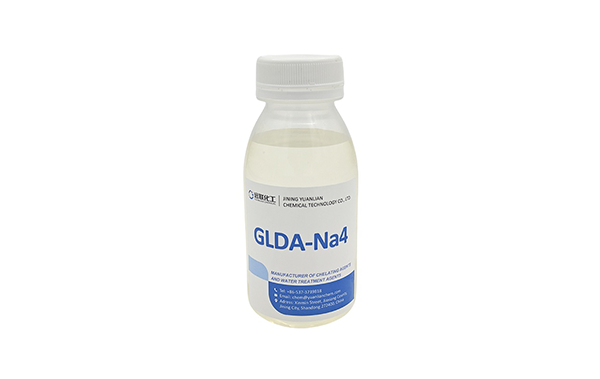
Choosing GLDA produced by Yuanlian Chemical and opting for GLDA-containing shampoos/body washes means choosing a "professional environmental protection solution." As GLDA chelates ions in hair strands, removes dirt from the skin surface, and ultimately degrades gently, the personal care industry has finally achieved the triangular balance of "efficacy, gentleness, and environmental protection" — a core path toward sustainable development.
Latest News



Need help
Prefer speaking with a human to filling out a form? call corporate office and we will connect you with a team member who can help.