03 May
Comprehensive Guide to Modern Household Detergents and Personal Care
Household cleaning agents are scientifically formulated to target specific contaminants such as lipids, proteins, dust, and pigments. These products are categorized based on their chemical composition and application: Fabric Care, Kitchen Hygiene, Bathroom Sanitation, and Personal Care.
I. Fabric Care: Advanced Solutions for Textile Hygiene
Fabric cleaners utilize surfactants to emulsify and disperse soils, aided by the mechanical action of washing.
1. Laundry Soap
Composition: Primarily sodium salts of fatty acids.
Characteristics: Weakly alkaline, mild, and low-irritation; ideal for undergarments and infant wear.
Limitation: In hard water (high calcium/magnesium content), soap forms insoluble precipitates, which can lead to fabric stiffness.
2. Laundry Powder (Detergent)
Laundry powders are high-performance builders categorized by their functional additives:
Phosphate-based: Utilize Sodium Tripolyphosphate (STPP) for superior chelation, though environmental regulations often restrict their use due to water eutrophication.
Phosphate-free: Employ Zeolites (such as 4A Zeolite) as eco-friendly ion exchangers.
Oxygen-based: Contain Sodium Percarbonate or Sodium Perborate, acting as bleaching and disinfecting agents to brighten whites and revitalize colors.
Enzymatic: Formulated with Proteases and Lipases to bio-catalytically break down stubborn protein and grease stains on collars and cuffs.
3. Laundry Liquid
Feature: Highly soluble and more resistant to hard water than traditional soap.
Formulation: Primarily composed of surfactants with fewer builders compared to powders, offering a gentler wash.
II. Kitchen Hygiene: Degreasing and Surface Safety
1. Dishwashing Liquid (Dish Soap)
Usage: Designed for cleaning tableware, fruits, and vegetables.
Disinfectant Variants: Formulations containing antimicrobial agents are classified as disinfectant dish soaps.
2. Range Hood Cleaners
Mechanism: Highly alkaline formulations, often containing organic solvents for heavy-duty degreasing.
Application: Suitable for exhaust fans and hard surfaces; however, they should not be used on sensitive materials and require protective gear to avoid skin contact.
III. Bathroom Sanitation: Scale and Stain Removal
1. Toilet Bowl Cleaners
Chemistry: Acidic formulations designed to dissolve uric scale, limescale (calcium/magnesium deposits), and rust.
Precaution: Strictly for porcelain toilet bowls; avoid use on marble or ceramic tiles as the acid can damage these surfaces.
2. Automatic Flush Blocks
Function: Provide continuous maintenance by preventing scale buildup and neutralizing odors with every flush.
IV. Personal Care: Precision Cleansing and Nourishment
1. Hair Care Systems
Shampoo: A complex blend of surfactants, conditioners, and anti-pruritic agents.
Anti-Dandruff: Includes active ingredients like ZPT or OCT for scalp health.
Conditioning: Utilizes Modified Silicone Oils and cationic agents to enhance smoothness and shine.
Conditioners & Treatments: Form a protective lipid film on the hair cuticle to reduce static and improve texture, particularly essential for chemically treated hair.
2. Skin and Body Care
Shower Gel: Formulated with mild surfactants and skin conditioners to maintain a pH close to the skin's natural acidity (pH 5.5).
Facial Cleansers: Tailored for specific skin types (oily, dry, or normal). They may include Salicylic Acid for acne-prone skin or polymer beads for physical exfoliation.
Hand Sanitizers: Modern liquid soaps are often enriched with moisturizers and antimicrobial agents like Triclosan (DP300). Waterless gel variants allow for effective sanitization without rinsing.
3. Oral Hygiene
Toothpaste: Comprises humectants, foaming agents, and abrasives (e.g., Silica, Calcium Carbonate). Specialized formulas include fluoride for cavity prevention or strontium chloride for desensitization.
Mouthwash: Utilizes bactericides and astringents to eliminate plaque and harmful bacteria from hard-to-reach areas.
Strategic Insight for 2026
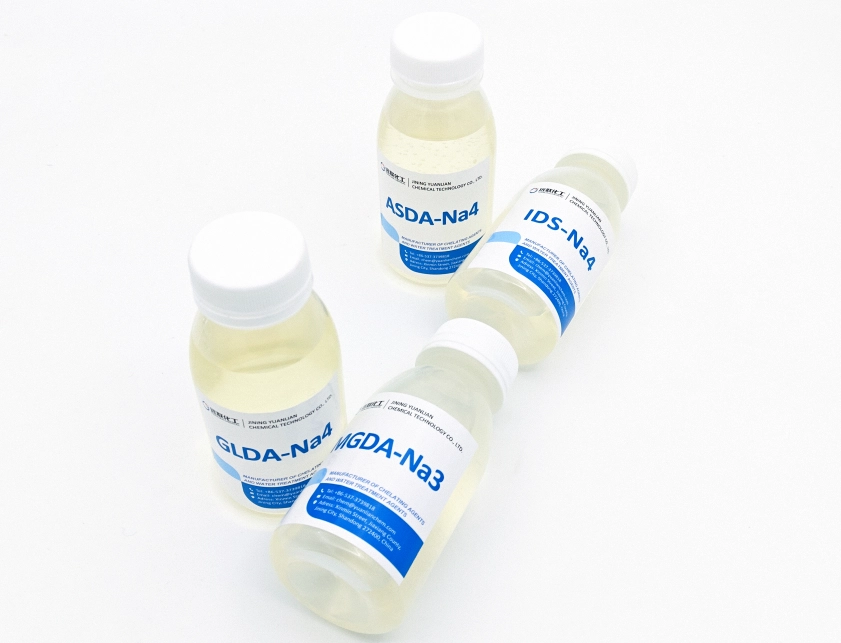
To achieve maximum cleaning efficiency while maintaining environmental compliance, industry leaders like Yuanlian Chemical recommend replacing traditional builders with green chelating agents such as GLDA, MGDA, and PASP. These bio-based alternatives provide superior performance in hard water without the ecological footprint of phosphates.
Latest News


Need help
Prefer speaking with a human to filling out a form? call corporate office and we will connect you with a team member who can help.