01 May
Detergent Classification: Industrial Guide to Modern Cleaning Solutions
In the current industrial and consumer landscape, detergents are categorized based on their chemical composition, state of matter, and specific cleaning mechanisms. This guide provides a detailed breakdown of Water-Based, Semi-Aqueous, and Solvent-Based cleaning agents.
1. Water-Based Cleaning Agents
Water-based detergents are the most widely utilized cleaning solutions globally. They rely on the synergy between surfactants and high-performance additives to lower surface tension and remove contaminants.
■ Core Composition
Surfactants: Key active ingredients such as Sodium Alkylbenzene Sulfonate and Sodium Fatty Alcohol Sulfate.
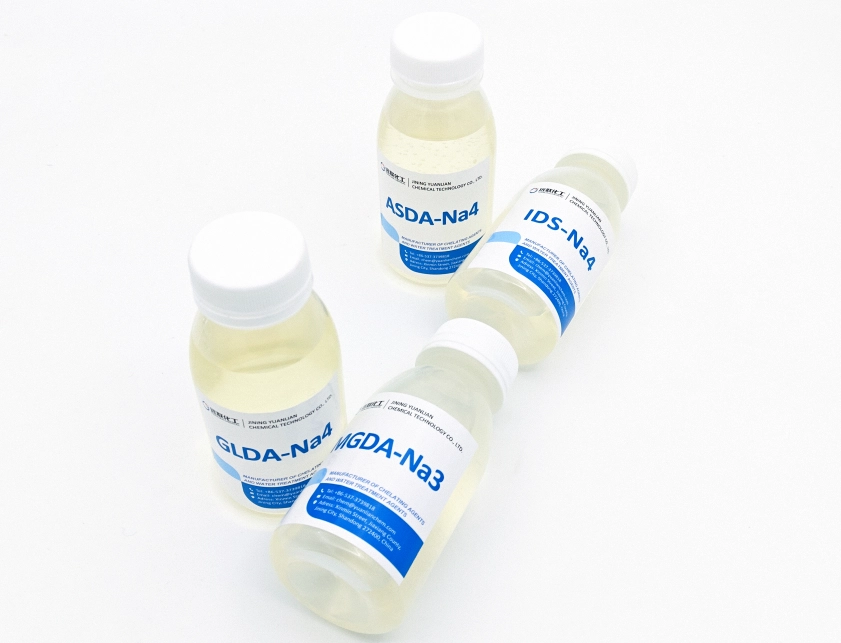
Chelating Agents: High-performance builders including Sodium Tripolyphosphate (STPP) and sustainable alternatives like GLDA and MGDA (e.g., from Yuanlian Chemical).
Auxiliary Agents: Specialized additives designed to enhance overall cleaning efficacy.
■ Product Forms & Manufacturing Processes
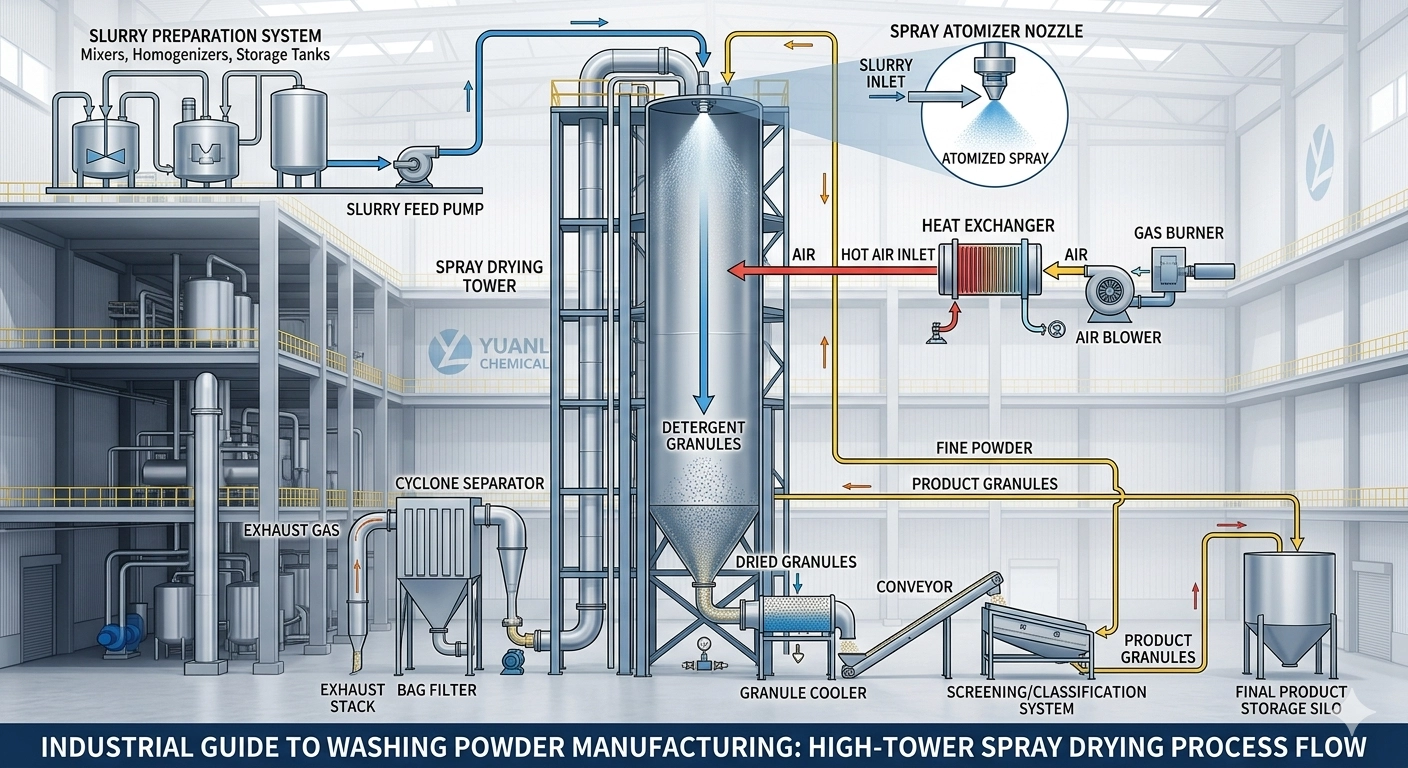
Solid Detergents (Washing Powders): Produced in the highest volumes, available as fine powders, granules, or hollow granules.
Process: The High-Tower Spray Drying process is the global standard, involving slurry preparation, spray drying, air-assisted aging, and packaging.
Liquid Detergents: Favored for their ease of use and formulation flexibility.
Process: Manufactured through a streamlined mixing process where surfactants, additives, and treated water are blended in a high-efficiency mixer.
Pastes (Laundry Pastes): A concentrated alternative for specific cleaning requirements.
2. Semi-Aqueous Cleaners
Semi-aqueous cleaners represent a high-tech, environmentally friendly innovation in the cleaning industry. They combine the abrasive power of natural particles with the penetrative ability of chemical agents.
■ Features and Mechanisms
Hybrid Formulation: A blend of weakly alkaline adsorbents, natural surface-activated abrasive particles, and a complex array of active agents.
Specialized Additives: Contains biocides, polishing agents, imported penetrants, and unique brightening agents.
High-Tech Care: Offers a gentle yet powerful abrasive cleaning experience that thoroughly removes stubborn stains without damaging surfaces (such as tiles) or causing skin irritation.
■ Targeted Contaminants
These agents are engineered to remove severe, multi-layer stains including:
Industrial Stains: Heavy oil, cement scale, caulk, rust, and adhesives.
Surface Damage: Metal scratches, hammer marks, aluminum/wood marks, and shoe prints.
Daily Stains: Tea, beverages, ink, and stubborn wax.
3. Solvent-Based Cleaning Agents
Solvent-based agents are critical for precision cleaning and heavy-duty degreasing where water-based solutions may be ineffective or incompatible with the substrate.
■ Chemical Composition
These cleaners are formulated using specific organic compounds or sophisticated mixed solvents:
Hydrocarbons & Halogenated Hydrocarbons: High-strength degreasers.
Oxygenated Solvents: Including Alcohols, Ethers, Ketones, and Esters.
Phenolic & Mixed Solvents: Tailored formulations for specialized industrial applications.
Latest News


Need help
Prefer speaking with a human to filling out a form? call corporate office and we will connect you with a team member who can help.