30 Apr
Detergent Builders: Mechanisms, Classifications, and Environmental Evolution
Builders are key ingredients in detergent formulations that work in conjunction with surfactants to enhance cleaning performance. They serve as the "backbone" of modern detergents, ensuring that active ingredients can focus on stain removal rather than fighting water hardness.
I. Ingredient Classification: Inorganic vs. Organic
Builders are primarily categorized into two main groups based on their chemical nature and functional mechanisms.
1. Inorganic Builders & Ion Exchangers
Alkaline Substances: Including sodium carbonate and sodium silicate, which enhance grease breakdown by maintaining the optimal pH of the detergent.
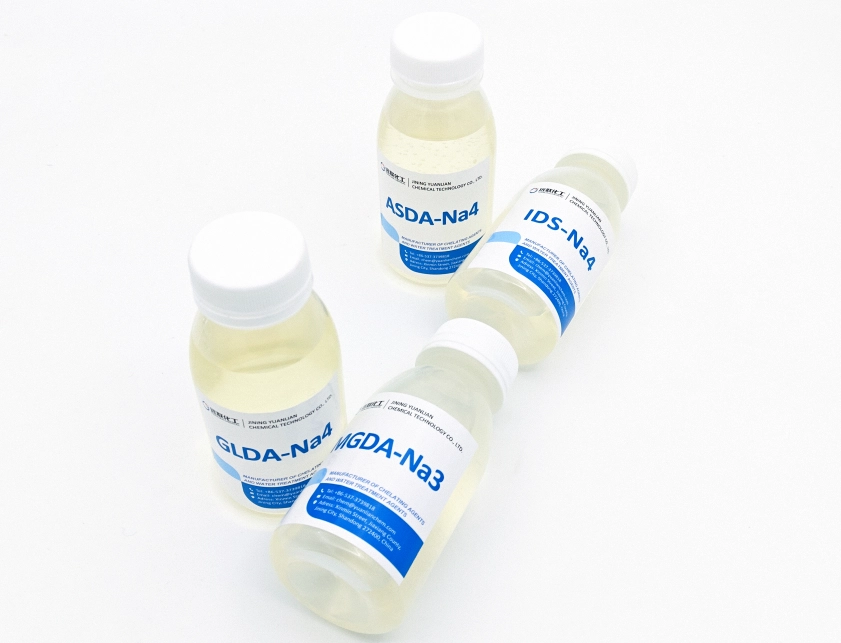
Chelating Agents: Substances like sodium tripolyphosphate, MGDA, and GLDA bind to calcium and magnesium ions, preventing metal salt precipitation that can compromise cleaning performance.
Phosphorus-Free Ion Exchangers: As of 2024, 4A zeolite has become the industry standard in dishwasher bead formulations to replace traditional phosphates.
Layered Sodium Silicate: Maintains stable chelating properties even at high temperatures, making it suitable for heavy-duty industrial cleaning.
2. Organic & Enzyme Builders
Polycarboxylates: Represented by polyacrylic acid and sodium citrate, these have polycarboxylic acid structures that simultaneously chelate multiple metal ions to form soluble complexes in hard water.
Enzyme Builders: Biocatalysts such as proteases and lipases break down protein or grease stains and are essential in pre-wash stages for stubborn organic matter.
II. Mechanism of Action: The Three-Stage Cleaning Process
Builders enhance cleaning performance through a coordinated biological and chemical attack on soil:
Pre-treatment Stage: Softens the water and reduces the consumption of surfactants by sequestering calcium and magnesium ions.
Wash Stage: Accelerates the saponification of greases through an alkaline environment, while chelating agents eliminate the fixation of metal ions on dirt.
Rinse Stage: Utilizes electrostatic repulsion generated by colloidal adsorption to prevent removed stains from redepositing on fabrics or dishes.
Specialty Applications:
Dishwashing: Phosphonates form a protective film at high temperatures to prevent scale spots.
Car Pre-wash: Oxygen bleach releases active oxygen, breaking down organic pollutants on paint surfaces.
III. Environmental Evolution: The Shift to Green Chemistry
Since the 2010s, phosphorus-containing builders have been restricted globally due to their contribution to eutrophication. This has led to the rise of high-efficiency, biodegradable alternatives.
Synergistic Systems: Combined with polycarboxylates, such as Yuanlian Chemical’s Sodium Polyaspartate (PASP), phosphorus-free systems can achieve 80% of the cleaning efficiency of traditional sodium tripolyphosphate.
Innovation Spotlight (2024): Quantum Ultra Clean Dishwashing Gel Pods utilize a phosphonate and polycarboxylate complex, reducing phosphorus content to only 12% of traditional formulas while improving egg stain removal efficiency by 23% at 50°C.
IV. Application Specifications & Technical Guidelines
To maximize performance while protecting surfaces, the following technical ratios are recommended:
1. Water Hardness Adjustment
In hard water areas, the addition of high-performance chelating agents—such as Yuanlian Chemical’s GLDA, MGDA, EDDS, and PASP—is essential.
Caution: Excessive use can result in high alkalinity, potentially damaging fabric fibers or causing corrosion on tableware.
2. Optimal Formulation Ratios
Laundry Detergents: Combine sodium carbonate and sodium silicate in a 3:1 ratio to maintain a pH of 9.5-10.5. This balance ensures a powerful cleaning environment while minimizing skin irritation.
Enzyme Activity: In pre-wash formulas, enzyme activity should be controlled between 5,000 and 8,000 U/g to ensure complete protein breakdown at 30°C.
Latest News


Need help
Prefer speaking with a human to filling out a form? call corporate office and we will connect you with a team member who can help.