16 Mar
GLDA: A Green Innovator in Textile Auxiliaries
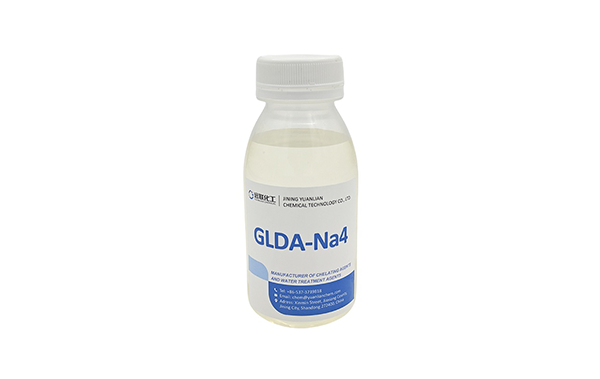
Textile auxiliaries play a vital role in the complex textile industry, impacting textile quality, color, and processing efficiency. However, some ingredients in traditional textile auxiliaries face environmental pressures and are increasingly unable to meet increasingly stringent industry standards. This is where the emergence of a new green chelating agent, tetrasodium glutamic acid diacetate (GLDA), has revolutionized the textile auxiliaries industry.
Optimizing Dyeing Processes for Brilliant Colors
Dyeing is crucial for imparting a vibrant appearance to textiles. However, in practice, metal ions such as calcium, magnesium, and iron in water often pose a significant obstacle. These metal ions react with dyes, resulting in uneven dyeing and color deviations, seriously impacting textile quality. GLDA, an excellent metal ion chelating agent, rapidly binds to metal ions during the dyeing process, forming stable, water-soluble complexes. This "shackles" prevents the metal ions from interfering with the proper binding of dye to fiber. Professional research shows that adding an appropriate amount of GLDA to the dyeing system can improve dyeing uniformity by 30%-40%, significantly reducing the rate of defective products caused by uneven dyeing. For example, when dyeing pure cotton fabrics with reactive dyes, the use of GLDA results in a more vibrant and richer color, significantly improving color fastness and maintaining its original color even after washing or sun exposure. Fashion brand ZARA uses textile auxiliaries containing GLDA in the dyeing of some garments, effectively ensuring color consistency across the same style and enhancing the product's market competitiveness. This application not only creates a vibrant and colorful effect on textiles but also reduces production costs and improves efficiency for textile companies.
Cleaning and pretreatment: The foundation for high-quality processing
Thorough cleaning and pretreatment are essential before textiles enter further processing. Impurities, oil, and pectin often adhere to fiber surfaces. If these substances are not removed, they can affect the quality of subsequent dyeing, printing, and other processes. GLDA, with its powerful cleaning and stain removal capabilities, plays a key role in this cleaning and pretreatment process. It effectively disperses and suspends impurity particles on the fiber surface, preventing them from re-accumulating on the fibers through electrostatic repulsion. Experimental data shows that using a pretreatment agent containing GLDA can reduce residual impurities on the fiber surface by over 70%. Numerous textile companies have reported that the introduction of GLDA in cleaning pretreatment has significantly improved product quality, reduced defective rates, and shortened production cycles.
Improving Product Quality and Meeting Diverse Needs
Beyond dyeing and cleaning pretreatment, GLDA is used in textile auxiliaries in multiple areas, comprehensively enhancing textile quality. During the fabric finishing process, GLDA stably binds to metal ions in the finishing agent, ensuring the stable performance of the finishing agent, resulting in improved hand feel, wrinkle resistance, and durability. In some high-end home textile products, the use of textile auxiliaries containing GLDA in finishing significantly enhances the softness and comfort of the product, satisfying consumers' pursuit of a high-quality lifestyle. GLDA also improves the antistatic properties of fabrics, reducing problems such as dust attraction and fabric tangling caused by static electricity, and enhancing the user experience of textiles. For functional textiles, such as antimicrobial and waterproof fabrics, GLDA can work synergistically with functional additives to enhance adhesion and durability, ensuring effective performance. For example, in the production of antimicrobial fabrics, using GLDA in combination with antimicrobial agents ensures a more even distribution of the antimicrobial agent across the fabric surface, increasing antimicrobial efficacy by 2-3 times and effectively extending the lifespan of the antimicrobial fabric.
Green and environmentally friendly, aligned with sustainable development
Amid increasingly stringent environmental regulations, the textile industry is actively pursuing a green transformation. GLDA, as a green and environmentally friendly additive, perfectly aligns with this trend. Made primarily from the plant-based raw material L-glutamic acid, it meets OECD biodegradability testing requirements and is rapidly degraded by microorganisms in the natural environment. Unlike traditional chelating agents, which can remain in the environment for a long time and pollute soil and water, GLDA does not. Environmental monitoring data shows that pollutant levels in wastewater discharged by companies using textile auxiliaries containing GLDA are significantly lower than those using traditional auxiliaries, effectively reducing environmental pressure. Furthermore, GLDA is non-toxic and harmless during use, posing no health risk to operators, creating a safer production environment for textile companies. More and more textile companies are recognizing GLDA's environmental advantages and incorporating it into their production systems. This not only enhances their social image but also aligns with the global trend of sustainable development.
GLDA's application in the field of textile auxiliaries has brought numerous benefits to the textile industry, from optimizing dyeing processes to improving product quality and implementing green environmental protection concepts. It has demonstrated its strength and potential. With the continued in-depth research and application of GLDA, we believe it will play an even greater role in the textile industry, driving the industry towards green, efficient, and high-quality development, and providing us with more high-quality, environmentally friendly textiles.
Latest News



Need help
Prefer speaking with a human to filling out a form? call corporate office and we will connect you with a team member who can help.