02 Mar
GLDA in Textile Auxiliaries: The Eco-Friendly Game-Changer for Cleaner Production & Better Fabrics
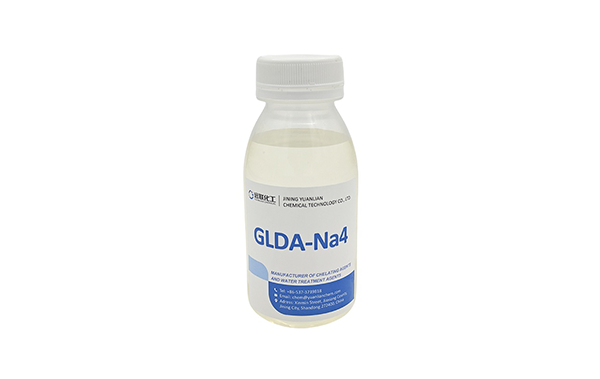
The global textile industry faces a tough balancing act: meeting the world’s demand for fabrics while tackling mounting environmental pressures. Traditional textile auxiliaries—used in pre-treatment, dyeing, and finishing—rely on chelating agents like EDTA and sodium tripolyphosphate (STPP), which pose severe risks: EDTA’s 28-day biodegradation rate is a mere 6%, leading to heavy metal accumulation in wastewater; STPP causes eutrophication in water bodies; and hard water (high calcium/magnesium ions) forces factories to overuse chemicals, hiking costs and pollution. Enter Tetrasodium Glutamate Diacetate (GLDA), a bio-based chelating agent that’s redefining sustainability and efficiency in textile auxiliaries.
Why GLDA Stands Out: Core Advantages for Textile Production
GLDA’s rise as a preferred textile auxiliary comes from three unbeatable strengths, aligned with both eco-goals and production needs:
l Sustainable & Low-Carbon: Made from L-glutamic acid via corn starch fermentation (ISO 1622-1 certified bio-based content ≥70%), GLDA cuts production carbon emissions by 42% compared to petroleum-based chelators. Producing 1kg of GLDA reduces CO₂ output by 4.2kg—equivalent to the annual carbon sequestration of 2 mature spruces—aligning with the industry’s "net-zero" targets.
l Superior Chelation & Hard Water Resistance: With a chelating capacity twice that of EDTA (Ca²⁺ logK = 8.6), GLDA efficiently traps calcium, magnesium, and iron ions in hard water (>150mg/L). This eliminates "scum" formation that ruins dye baths, reducing auxiliary usage by 30% while keeping processes stable.
l Water-Body Friendly Degradation: OECD 301B certified, GLDA achieves a 28-day biodegradation rate of 98.5%, breaking down into water and CO₂. Textile wastewater with GLDA meets EU REACH and Ecolabel standards—tests show it reduces aquatic toxicity by 82% (e.g., water flea activity inhibition drops from 65% to 12% vs. EDTA).
GLDA’s Practical Applications in Textile Auxiliaries
GLDA integrates seamlessly into key textile production stages, solving long-standing pain points:
1. Pre-Treatment: Cleaner Preparation, Less Waste
In desizing, scouring, and bleaching—critical for fabric quality—metal ions (e.g., iron) cause uneven bleaching and fiber damage. GLDA acts as a "metal ion scavenger":
· It prevents iron from reacting with hydrogen peroxide (bleaching agent), reducing peroxide consumption by 25% and avoiding fabric yellowing.
· A Chinese textile mill using GLDA in pre-treatment reported 40% lower COD (Chemical Oxygen Demand) in wastewater and 15% faster processing times, as it eliminated the need for extra pH adjustments.
2. Dyeing: Uniform Colors, Lower Energy Use
Dyeing is the most resource-intensive stage, with hard water and poor chelation leading to uneven shades and low color fastness. GLDA transforms this:
· It stabilizes dye baths by binding calcium/magnesium ions, boosting dye uptake by 18% and reducing dye waste by 20%. This improves color fastness by 1–1.5 grades (per ISO 105 standards), critical for premium fabrics like cotton and polyester.
· It enables low-temperature dyeing: Factories can lower temperatures from 80℃ to 60℃ for reactive dyes, cutting energy use by 28% and reducing fabric shrinkage.
3. Finishing: Gentle Care, Durable Softness
Post-dyeing finishing (e.g., softening, anti-wrinkle treatment) often uses harsh chemicals that damage fibers. GLDA’s mild pH (9.0–10.0) protects fibers while enhancing finishing efficacy:
· It improves the dispersion of softening agents, making fabrics 30% softer (measured by handle tests) without compromising durability.
· For baby clothes and sensitive-skin fabrics, GLDA reduces residual chemicals by 45%, meeting OEKO-TEX® Standard 100 (strict safety for human ecology).
Industry Practices & Future Outlook
Major textile players are already reaping GLDA’s benefits:
· A European denim brand using GLDA in dyeing reduced its carbon footprint by 35% and gained EU Ecolabel certification, boosting its "sustainable denim" market share by 18%.
· A Southeast Asian textile cluster adopted GLDA in auxiliaries, cutting regional textile wastewater pollution by 30% and complying with local environmental regulations.
With global textile auxiliaries market shifting toward eco-friendly solutions (projected 7.2% CAGR through 2030), GLDA is poised to lead. It addresses the industry’s "triple bottom line": reducing costs, improving fabric quality, and meeting sustainability goals.
Choosing GLDA (from Yuanlian Chemical) for textile auxiliaries isn’t just an upgrade—it’s a commitment to cleaner production and better fabrics. Whether you’re optimizing dyeing processes, cutting wastewater costs, or creating eco-friendly textiles, GLDA is the key to a more sustainable textile future.
Latest News


Need help
Prefer speaking with a human to filling out a form? call corporate office and we will connect you with a team member who can help.