07 Aug
GLDA-Na4 in Cleaning, Care and Water Treatment
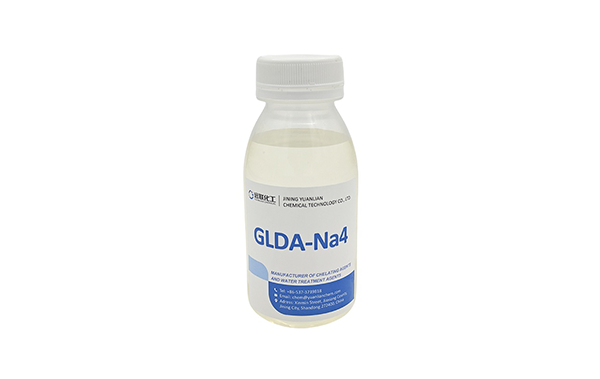
GLDA-Na4 applications span household detergents, personal care products and industrial water systems. This amino-acid-derived chelant binds calcium and magnesium across a wide pH range, then breaks down in the environment after use. Formulators value it because it performs close to EDTA while meeting the clean-label and biodegradability targets that retailers in Europe now expect.
What Makes GLDA-Na4 Suitable for Cleaning
GLDA-Na4 comes from glutamic acid. It shows strong calcium binding from neutral through strongly alkaline conditions, which lets one grade cover laundry, dish and industrial cleaners. Independent testing places its natural-origin index at 0.56 under ISO 16128, and it biodegrades readily under OECD 301. That combination supports clean-label claims that survive retailer audits.
GLDA-Na4 Applications in Laundry Detergents
Hard water lays calcium and magnesium on fabric, causing grey shading and poor soil removal. GLDA-Na4 sequesters those ions so surfactants can lift dirt instead of fighting scale. It also supports lower wash temperatures by stabilising peroxides, which trims energy use. For example, most liquid laundry recipes use it at 0.1% to 0.5% active, adjusted to local water hardness.
GLDA-Na4 Applications in Dishwashing
In automatic dishwashing, spotting and film come from magnesium and calcium during the hot, alkaline cycle. GLDA-Na4 prevents those deposits and helps rinse aids work, so glass comes out clear without a phosphate builder. Since the EU banned phosphates in dishwasher tablets from 2017, this chelant has taken the role that STPP once held.
GLDA-Na4 Applications in Personal Care
Personal care recipes need metal-ion control to protect oils, fragrances and preservatives from oxidation. GLDA-Na4 does this at low use levels and carries a favourable toxicology profile, which suits both rinse-off and leave-on products. Its fit with sensitive-skin positioning helps brands meet clean-beauty expectations without reworking the whole formula.
GLDA-Na4 Applications in Water Treatment and Agriculture
In cooling water and boilers, GLDA-Na4 controls calcium scale without adding phosphorus to the effluent. In agriculture, it acts as a fertiliser additive that reduces scaling in dosing systems and improves nutrient availability. Both uses answer the same regulatory push against phosphate discharge that started in Europe and now spreads to other markets.
GLDA-Na4 Applications in Industrial & Institutional Cleaning
Factories, kitchens and hospitals need scale and film control at volume. GLDA-Na4 supports descalers, floor cleaners and degreasers while keeping effluent phosphorus low. Pairing it with a dispersant such as PASP-Na holds particles suspended, which extends equipment life and keeps results consistent across wash cycles.
GLDA-Na4 Applications in Textile, Pulp and Metal Cleaning
Textile mills use GLDA-Na4 to keep dye baths consistent and to stabilise peroxide during bleaching. Pulp and paper lines use it for scale control on equipment. Metal and electronics lines use it to remove residues without persistent chemistry. In each case, the biodegradable profile eases pressure on effluent treatment.
How GLDA-Na4 Binds Calcium and Magnesium
The molecule has four acetate groups that wrap around a metal ion to form a stable ring, or chelate. This structure holds calcium and magnesium even when other ingredients would otherwise free them. Because the bond stays stable across pH 4 to 13, the chelant keeps working from acidic descalers to strongly alkaline detergents.
Formulation Tips: Dosage and pH Window
Start at the low end of the tested range and raise the dose only if water hardness demands it. Typical use sits between 0.1% and 1.0% active, depending on the application and local water. Keep the formula within pH 4 to 13, and run a bench trial at your actual hardness and temperature before scaling up. Small changes in dose often deliver the result, so avoid overshooting.
Compatibility with Other Green Chelants
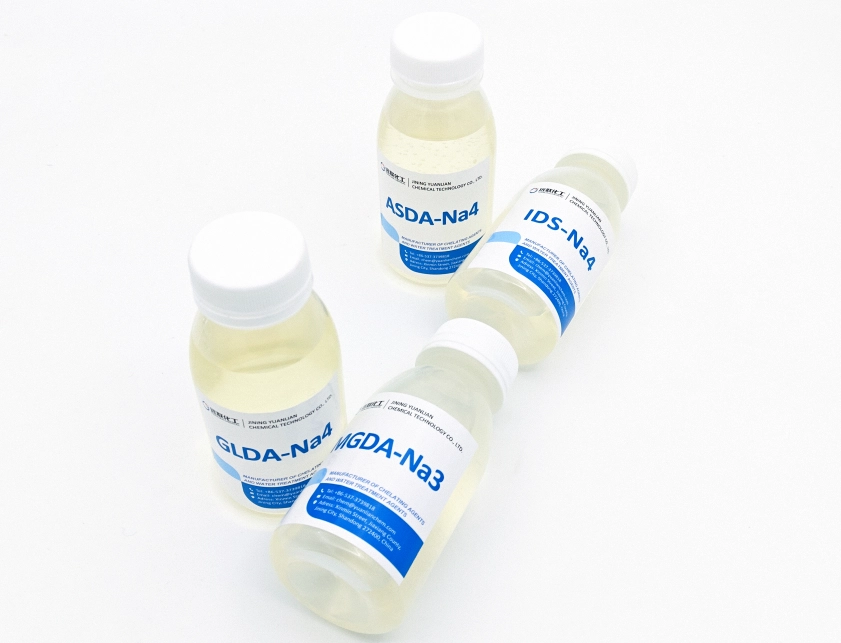
GLDA-Na4 pairs well with MGDA-Na3, PASP-Na and IDS-Na4. MGDA adds magnesium and high-pH strength, PASP disperses scale, and IDS handles iron and copper. Because one supplier can stock all four, formulators can match each product to its condition from a single qualified source. This reduces paperwork and simplifies substitution projects.
GLDA-Na4 vs EDTA: A Practical Comparison
EDTA binds metals well but resists degradation, which is why many retailers now list it as a substance to phase out. GLDA-Na4 matches it on calcium control at moderate alkalinity while breaking down in wastewater. The trade-off is price and slightly narrower peak performance at extreme pH, which most household and industrial cleaners do not reach. Therefore, the shift is usually a staged substitution rather than a straight swap.
Property | GLDA-Na4 | EDTA |
Origin | Amino acid (glutamic) | Petrochemical |
Biodegradation | OECD 301 ready | Persistent |
Calcium binding | Strong, pH 4-13 | Strong, broad pH |
Clean-label fit | High | Low |
Substituting EDTA with GLDA-Na4: A Staged Trial
Replacement works best as a project. First, review your current chelator, target pH and the metal ions causing faults. Then propose a starting ratio and run a bench trial at your real water hardness. Confirm the result, adjust the dose, and only then move to plant scale. Most switches settle in two or three iterations, which keeps disruption low.
Storage and Handling Notes
GLDA-Na4 ships as a liquid in drums or IBCs. Store it in a cool, dry place away from strong acids, and follow the shelf life on the safety data sheet. As an alkaline product, avoid skin and eye contact and observe the handling guidance in the SDS.
Regulatory Context for European Formulators
The EU restricted phosphates in consumer laundry detergents and banned them in dishwasher tablets from 2017. EDTA appears on many retailer restricted-substance lists because it persists. GLDA-Na4 answers both pressures at once, which is why it features in reformulation plans across the cleaning industry. Importers should also prepare for REACH and CBAM documentation as rules tighten.
Frequently Asked Questions
How much GLDA-Na4 should I use to replace EDTA?
Dosage depends on your pH, target metals and water hardness. A staged trial with a starting ratio from your supplier is the reliable path, because straight swaps rarely hit the mark.
Does GLDA-Na4 work alongside citric acid?
Yes, in many recipes. Citric acid handles light metal control at low pH, while GLDA-Na4 covers the broader window and higher alkalinity. The two are often used together, with levels set by bench testing.
For the underlying chemistry, see this overview of chelation on Wikipedia.
Explore the Full Product Range
GLDA-Na4 is one of several biodegradable chelants in the Yuanlian range. To review specifications, request a sample or discuss a substitution project, visit the Yuanlian Chemical product centre. Our technical team supports bench trials and supplies the documentation needed for European import.
Latest News



Need help
Prefer speaking with a human to filling out a form? call corporate office and we will connect you with a team member who can help.