16 Dec
GLDA: Redefining Sustainable Fracturing Solutions in the European Energy Sector
As Europe advances decisively toward its energy transition, the industry faces a critical challenge: balancing immediate energy security needs with long-term environmental responsibility. In this complex landscape, a bio-based chelating agent derived from glutamic acid is emerging as a transformative solution for well stimulation.
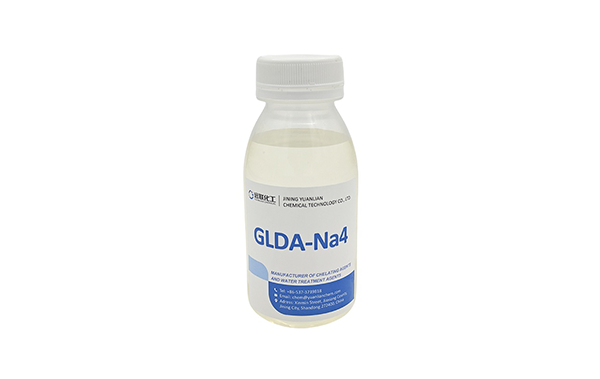
In an oilfield in the North Sea, engineers are replacing traditional, highly corrosive hydrochloric acid with a clear, sustainable solution—Glutamic Acid N,N-Diacetic Acid Tetrasodium Salt (GLDA). This shift addresses more than just operational efficiency; it responds to the stringent environmental frameworks of the EU, such as REACH, and the growing demand for greener chemistry in subsurface operations.
This evolution mirrors a broader industry trend where performance must align with planetary stewardship. The adoption of GLDA signifies a move towards a circular economy model in energy extraction, where materials are chosen for both their efficacy and their environmental profile.
1. The European Imperative: Performance Under Pressure
The European energy sector operates within a unique nexus of high technical demands and uncompromising environmental regulations. Traditional fracturing and acidizing fluids, particularly those based on strong mineral acids like hydrochloric (HCl) or mud acid (HCl-HF), present significant challenges:
Environmental Compliance: Managing the sourcing, use, and disposal of aggressive chemicals creates complex logistical and regulatory burdens under EU directives.
Well Integrity & Safety: High corrosion rates threaten downhole equipment integrity, increasing safety risks and lifecycle costs.
Suboptimal Efficiency: While effective at dissolving carbonate rock near the wellbore, strong acids can cause face dissolution, limiting the creation of deep, conductive wormholes essential for long-term productivity.
This operational context creates a clear demand for high-performance alternatives that offer a radically improved safety and sustainability profile without compromising on results.
2. GLDA: A Technical Paradigm Shift
GLDA belongs to the family of aminopolycarboxylate chelating agents. Its molecular structure, derived from a natural amino acid, provides a powerful yet controllable chelating ability for divalent ions like calcium, magnesium, and iron (II/III). In carbonate reservoir stimulation, this translates into fundamental advantages:
Controlled, Deep Penetration: Unlike strong acids that react instantly at the rock face, GLDA chelates calcium ions in a more controlled, diffusion-driven manner. Research indicates this creates longer, more uniform wormholes, significantly enhancing the effective stimulated reservoir volume (ESRV) and long-term conductivity.
Inherently Mild and Safe: With a near-neutral pH in solution, GLDA is non-corrosive to standard well completion materials. This eliminates the need for extensive and expensive corrosion inhibitor packages, simplifying fluid formulation and enhancing operational safety.
Superior Iron Control: GLDA possesses exceptional solubility and stability constants for iron complexes across a wide pH range. This prevents damaging iron hydroxide precipitation in the formation, a common issue with conventional acids that can severely reduce permeability.
Environmental Credentials: GLDA is readily biodegradable (OECD 301D) and exhibits low toxicity, making it compliant with the strictest environmental standards in offshore and sensitive onshore locations across Europe.
3. Comparative Analysis: GLDA vs. Conventional Systems
The tangible benefits of GLDA become clear when placed side-by-side with traditional systems across key operational parameters.
| Evaluation Parameter | Conventional HCl-Based System | Advanced GLDA-Based System |
|---|---|---|
| Stimulation Mechanism | Fast, uncontrollable ionic reaction. | Controlled, diffusion-based chelation. |
| Wormhole Profile | Often short, face-dominated, can be ramified. | Longer, more uniform, and deeper penetration. |
| Corrosivity | Very high, requiring intensive inhibition. | Very low, compatible with standard metallurgy. |
| Iron Sequestration | Poor at high pH; requires additional additives. | Excellent across a broad pH range. |
| Health, Safety & Environment | Hazardous handling; complex waste stream. | Safe handling; biodegradable; simpler waste management. |
| Lifecycle Operational Cost | Higher due to additives, safety measures, and waste treatment. | Optimised through simpler logistics and reduced chemical risk. |
4. YuanlianChemical: Delivering Localised Solutions for Europe
Translating the theoretical advantages of GLDA into reliable, field-ready performance requires more than just supplying a chemical. It demands deep regional expertise and a commitment to local partnership.
YuanlianChemical Europe B.V., headquartered in the Netherlands, is strategically positioned to serve as a technical partner for the European energy sector. Our philosophy is built on providing localised, application-specific solutions, not just products.
In-Region Expertise & Logistics: Our European hub ensures reliable supply, rapid technical support, and a deep understanding of local regulatory and operational landscapes, from the North Sea to emerging geothermal projects across the continent.
Technical Partnership: We collaborate closely with clients to tailor GLDA-based fluid formulations—such as Yuanlian® SF-122—to specific reservoir conditions (temperature, mineralogy) and project objectives, ensuring optimal efficiency and return on investment.
Commitment to Sustainability: Our product development aligns with the EU Green Deal and circular economy principles. We provide the tools for operators to reduce their environmental footprint while maintaining operational excellence, supporting Europe's dual goals of energy security and sustainability leadership.
5. The Path Forward: Integrating Innovation
The integration of GLDA into European fracturing and acidizing operations represents a smart evolution. It is a demonstrably effective technology that simultaneously addresses:
Technical Performance: Enhancing well productivity through improved stimulation efficiency.
Operational Integrity: Reducing risks associated with corrosion and complex fluid handling.
Regulatory Compliance: Facilitating adherence to stringent EU environmental and safety regulations.
Sustainability Goals: Contributing to reduced environmental impact and supporting ESG (Environmental, Social, and Governance) reporting metrics.
For forward-thinking operators, the question is no longer whether to adopt greener chemistries, but how to implement them most effectively. With GLDA, powered by the local expertise of partners like YuanlianChemical, the industry has a viable, high-performance pathway to meet the challenges of today and the expectations of tomorrow.
Explore how our tailored Yuanlian® GLDA solutions can be integrated into your next well stimulation or scale removal program. Contact our European technical team to request a field-specific feasibility assessment or a comprehensive product dossier.
Latest News


Need help
Prefer speaking with a human to filling out a form? call corporate office and we will connect you with a team member who can help.