17 Dec
GLDA vs EDTA: A Comprehensive Comparison of Chelating Agents for Sustainable Solutions
In the realm of industrial chemistry, chelating agents are indispensable for binding metal ions in applications like detergents, water treatment, agriculture, and personal care. Among the prominent options, Ethylenediaminetetraacetic Acid (EDTA) and Glutamic Acid Diacetate Tetra Sodium (GLDA) stand out, but they differ significantly in environmental impact, performance, and sustainability. This article provides a thorough comparison to help industries make informed choices, while highlighting the reliable solutions offered by YuanlianChemical.
EDTA has been a cornerstone in chelation for decades, prized for its strong binding affinity to metals such as calcium, magnesium, and iron. This synthetic compound excels in preventing scale in boilers, boosting detergent efficiency, and stabilizing cosmetic formulations. However, its environmental drawbacks are substantial. EDTA is not readily biodegradable, persisting in ecosystems and accumulating in water bodies. This can lead to ecological disruptions, including toxicity to aquatic life and potential groundwater contamination. Regulatory bodies worldwide are tightening restrictions on EDTA due to these concerns, driving demand for greener alternatives. In terms of cost, EDTA often appears cheaper initially, but long-term expenses from environmental compliance and remediation can add up.
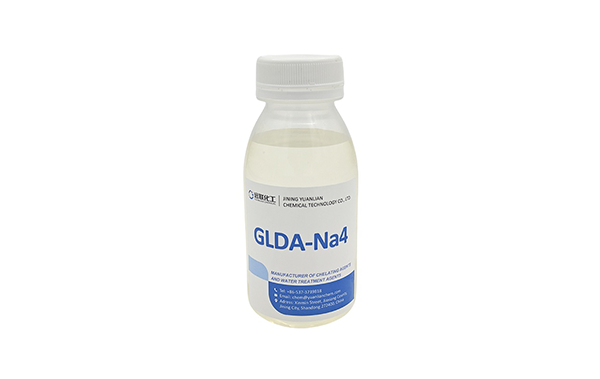
In contrast, Glutamic Acid Diacetate Tetra Sodium (GLDA) represents a modern, eco-friendly innovation. Derived from renewable glutamic acid—a natural amino acid—GLDA offers comparable chelating efficiency to EDTA but with superior biodegradability. It degrades rapidly in standard environmental tests, achieving over 60% breakdown within 28 days, minimizing ecological footprints. GLDA performs well across a broad pH range, making it versatile for hard water conditions in detergents or as a stabilizer in personal care products. Its lower toxicity profile also enhances safety for consumer applications, such as shampoos and soaps. Although GLDA might have a higher upfront cost than EDTA, the long-term benefits include reduced regulatory risks, potential subsidies for sustainable practices, and alignment with corporate social responsibility goals.
A detailed comparison reveals key differences. Environmentally, GLDA's biodegradability makes it a clear winner, reducing pollution and supporting circular economy initiatives. Performance-wise, both agents effectively sequester metals, but GLDA shows slight advantages in high-pH environments, such as industrial cleaning, due to its stability. Cost analysis shows that while EDTA is budget-friendly for short-term projects, GLDA's lifecycle savings from avoided environmental fines and enhanced brand reputation often justify the investment. In applications, EDTA remains prevalent in legacy systems, but GLDA is gaining traction in sectors prioritizing sustainability, like organic agriculture for nutrient delivery or eco-friendly detergents. Safety is another critical factor: GLDA's non-persistent nature lowers health risks, whereas EDTA's persistence raises concerns about bioaccumulation.
The shift toward sustainable chelating agents is accelerating, with GLDA emerging as a preferred choice for forward-thinking industries. For businesses seeking high-quality GLDA, YuanlianChemical offers exceptional expertise and products. As a leading supplier, YuanlianChemical specializes in premium, certified GLDA that meets rigorous industry standards for purity and performance. Their solutions are tailored for diverse needs, from water treatment to biodegradable formulations, ensuring reliability and environmental compliance. To explore their offerings or request a quote, visit their website at www.yuanlianchemical.com or contact them via email at [email protected]. Partnering with YuanlianChemical not only provides access to top-tier chelators but also supports global sustainability efforts, helping companies reduce their ecological impact while maintaining efficiency.
In summary, while EDTA serves as a proven chelator, GLDA offers a superior, sustainable alternative with its biodegradability and safety advantages. Industries are encouraged to transition to GLDA for long-term resilience and environmental stewardship. YuanlianChemical stands ready to facilitate this change with dependable products and expert guidance, making them an essential ally in achieving greener chemical solutions.
Latest News


Need help
Prefer speaking with a human to filling out a form? call corporate office and we will connect you with a team member who can help.