04 Dec
GLDA: The High-Alkali Chelating Agent Powering Sustainable Industrial Solutions
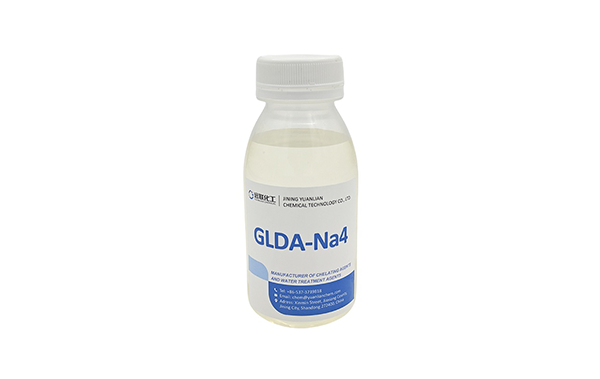
In the realm of industrial cleaning, a yellow transparent liquid holds the key to process stability and success under the most demanding reaction conditions. When your search is for a high-performance, green chelating agent that remains effective in extreme alkaline environments, Tetrasodium Glutamate Diacetate (GLDA) emerges as the definitive choice.
Derived from natural amino acids, this innovative chelant is revolutionizing multiple sectors—from industrial cleaning to water treatment—by offering superior alkali tolerance and exceptional eco-credentials, effectively replacing traditional chemicals like EDTA and NTA.
GLDA Decoded: Core Characteristics
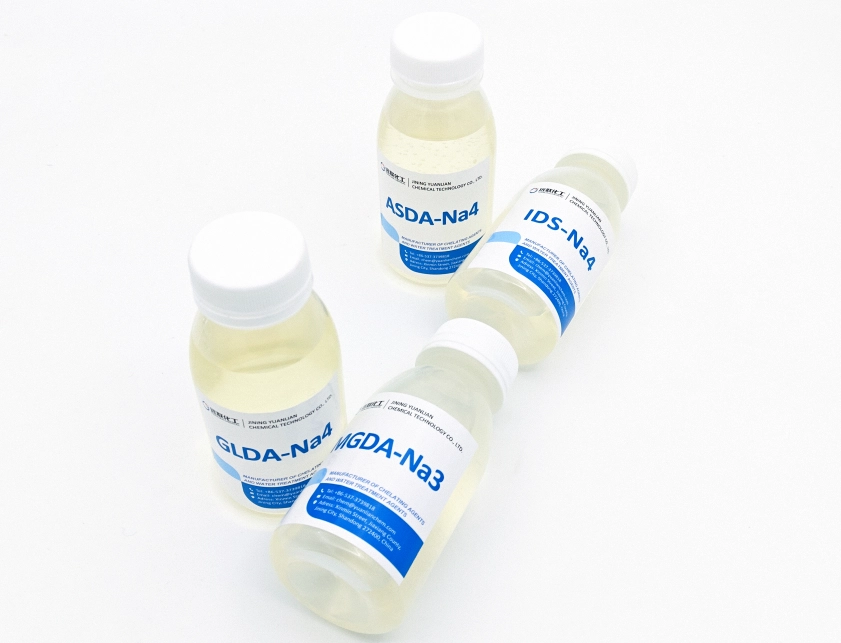
Tetrasodium Glutamate Diacetate (GLDA), with the molecular formula C9H14NNaO8 and CAS No. 51981-21-6, typically presents as a light to amber-yellow transparent liquid with a faint characteristic odour.
Available in standard specifications of ≥38.0% and ≥65.0% solid content, a key technical parameter is its 1% aqueous solution pH, which ranges between 11.0 and 12.0. This high baseline pH underpins its outstanding alkali stability.
GLDA forms stable, water-soluble complexes with a wide range of metal ions, maintaining high chelation efficiency across an exceptionally broad pH spectrum.
Exceptional Alkali Tolerance: Stable Performance Across pH Extremes
One of GLDA's most pronounced technical advantages is its stability under extreme pH conditions. It demonstrates excellent solubility and chemical stability from strong acidic to highly alkaline systems, ensuring reliable performance where other chelants fail.
Traditional agents like EDTA or NTA often precipitate or decompose in high-alkali environments, leading to performance loss. GLDA's unique molecular structure ensures it remains soluble and active even at very high pH levels.
This broad pH adaptability makes GLDA ideal for high-alkali industrial cleaning formulations, low-water concentrated systems, and acidic cleaning applications, offering unmatched flexibility to formulators.
High-Temperature Resilience: Stability Under Thermal Stress
Complementing its alkali resistance is GLDA's remarkable thermal stability. Laboratory tests confirm no significant decomposition after 6 hours at 170°C or one week at 150°C.
In contrast, many conventional chelants begin degrading above 100°C. This high-temperature endurance makes GLDA indispensable for processes involving heat, such as metal surface treatment, boiler cleaning, and oilfield water treatment.
Superior Chelation: The Science of Metal Ion Binding
GLDA's potent chelation stems from its molecular architecture. As a tetrasodium salt with four carboxylate groups, it forms exceptionally stable complexes with metal ions. Its stability constants indicate strong binding with calcium, magnesium, iron, and others.
Crucially, GLDA effectively sequesters metal ions even in harsh alkaline conditions, preventing interference in chemical processes or the formation of insoluble deposits. This is vital in industries like textile dyeing, where GLDA improves colour uniformity and fastness by chelating metals that could otherwise react with dyes.
Eco-Safe & Biodegradable: The Green Industrial Choice
Amid tightening environmental regulations, GLDA stands out with its excellent ecological profile. Sourced from renewable plant-based materials, it is readily biodegradable.
Unlike persistent chelants like phosphonates or EDTA, GLDA breaks down naturally into harmless substances, significantly reducing environmental impact. It is non-irritating to skin and eyes, enhancing safety in handling and end-use. Furthermore, GLDA meets requirements for inclusion in lists of approved substances for food-contact surface cleaners, broadening its application scope.
Industrial Applications: Where Alkali Tolerance Creates Value
GLDA’s superior alkali stability delivers unique value across diverse sectors:
Industrial Cleaning: Ideal for formulating high-alkali cleaners for metal treatment, boiler descaling, and equipment cleaning. Its pH and temperature resilience ensure consistent performance.
Water Treatment: Serves as an effective scale inhibitor and dispersant in alkaline water systems, preventing tenacious scale formation. Data shows significant efficacy in calcium scale removal.
Textile & Dyeing: Chelates metal ions during alkaline scouring and bleaching, protecting process integrity and product quality, especially in the strong alkali pre-treatment of cotton.
Home & I&I Cleaning: An ideal builder in high-alkaline detergents like laundry powders and liquids, boosting cleaning power while supporting green formulations.
Yuanlian Chemical: Your Reliable Partner for High-Quality GLDA
In the Chinese green chemicals market, Shandong Yuanlian Chemical Co., Ltd. and its subsidiary Jining Yuanlian Chemical Technology Co., Ltd. are key suppliers of high-purity Tetrasodium Glutamate Diacetate.
Specialising in phosphorus-free, biodegradable green chemicals, Yuanlian helps clients meet stringent environmental standards. The company collaborates with leading universities and research institutes to continuously optimise product performance and application solutions.
Selection Guide: Evaluating Alkali-Stable Chelating Agents
When selecting a chelant for high-alkali environments, consider these technical parameters:
Alkali Stability Range: Premium GLDA should maintain high chelation efficiency in environments exceeding pH 12.
Temperature Adaptability: Ensure the product remains stable under your specific process temperatures, especially above 150°C.
Packaging & Storage: Standard packaging is 250kg plastic drums. Store in a cool, dry place; typical shelf life is 10 months.
Purity & Specifications: Consider impurity levels (e.g., chloride content) based on your application's sensitivity.
The Performance Difference: In high-alkali wastewater containing multiple heavy metals, GLDA can achieve over 95% removal rates, compared to less than 70% for traditional chelants under identical conditions.
This gap highlights the efficient binding mechanism of its amino-acid-based structure and reflects the continuous R&D investment by suppliers like Yuanlian Chemical. Their collaborations with academic partners are dedicated to translating laboratory data into tangible industrial value.
In today's green chemistry landscape, this performance differential can define the line between regulatory compliance and operational failure.
Choose GLDA. Where extreme alkali tolerance meets sustainable performance.
Latest News


Need help
Prefer speaking with a human to filling out a form? call corporate office and we will connect you with a team member who can help.