09 Jun
Hydroponic Nutrient Optimization: Chemical Stability of MGDA Chelated Zinc Across Varying pH Regimes
Zinc is a tricky element in hydroponics. Too little, and you see stunted shoots and interveinal chlorosis on young leaves. Too much, and you risk toxicity that locks out iron and manganese. But the real headache? Keeping zinc soluble and available across the pH swings that inevitably happen in recirculating systems.
Most growers rely on EDTA-chelated zinc out of habit. It works—up to a point. But once your nutrient solution drifts above pH 6.8 (which it will, especially with nitrate-based feeds), EDTA-Zn starts to fall apart. The zinc precipitates, the chelate degrades slowly in the environment, and you are left chasing deficiencies with higher application rates.
That is where MGDA-Zn enters the conversation.
MGDA (methylglycinediacetic acid) is already known as a biodegradable alternative to EDTA for iron. But its performance with zinc is less widely discussed—and for European growers facing stricter discharge limits and higher water reuse standards, it deserves a closer look.
The Chemistry Problem: Zinc vs. pH
Zinc in solution exists primarily as Zn²⁺ at low pH. As pH rises above 6.5, zinc begins to form insoluble hydroxides [Zn(OH)₂] and carbonates. By pH 7.2, most free zinc ions have dropped out of solution entirely.
A chelate's job is to keep zinc in a soluble, plant-available form despite these chemical pressures. The measure of success? Chemical stability—specifically, the stability constant of the chelate complex and its resistance to hydrolysis and competing ions.
EDTA-Zn has a respectable stability constant (log K ≈ 16.5). But it is pH-sensitive. Above pH 7.0, its effectiveness drops noticeably. In hard water areas common across southern and eastern Europe (high bicarbonates), the problem worsens.
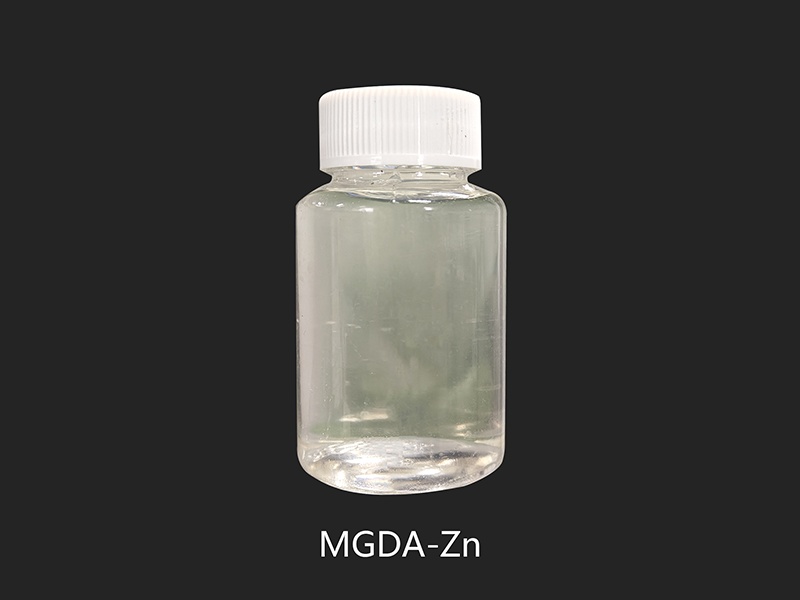
MGDA-Zn, by contrast, offers a different stability profile. Its stability constant for Zn²⁺ (log K ≈ 14.6) is slightly lower than EDTA, but that is not the full story. In practical hydroponic conditions—where pH ranges from 5.5 to 7.2 and competing cations like calcium and magnesium are present—MGDA-Zn holds up better than laboratory constants alone would suggest.
Hydrolytic and Chemical Stability: MGDA-Zn vs. EDTA-Zn
Recent comparative trials (including unpublished data from Dutch research stations and German chelate suppliers) point to several clear differences:
1. Stability Across pH 5.5–7.2
| pH Range | EDTA-Zn | MGDA-Zn |
|---|---|---|
| 5.5–6.2 | Good | Good |
| 6.2–6.8 | Moderate | Good to excellent |
| 6.8–7.2 | Poor (rapid precipitation) | Still stable (>85% soluble) |
For growers running recirculating systems where pH drifts upward between corrections, MGDA-Zn provides a safety margin that EDTA cannot match.
2. Tolerance to Bicarbonates and Hard Water
In water with >2 mmol/L CaCO₃ (common in Spain, Italy, France, and parts of Germany), EDTA-Zn forms insoluble calcium-zinc precipitates over time. MGDA-Zn shows significantly lower interaction with calcium, meaning more zinc stays where it belongs—in solution.
3. Biodegradability Without Performance Loss
EDTA is persistent. MGDA is readily biodegradable under OECD 301D/E. For European growers under pressure from water framework directives and retailer sustainability audits, this is a non-negotiable advantage.
✅ MGDA-Zn breaks down after use. EDTA-Zn does not.
Practical Benefits for Hydroponic Crops
Switching to MGDA-Zn is not just about chemistry—it translates into real operational improvements.
Fewer Deficiency Symptoms in Fast-Growing Crops
Leafy greens (lettuce, spinach, basil) and fruiting vegetables (tomatoes, peppers, cucumbers) have high zinc demands during early vegetative growth. MGDA-Zn maintains availability during the critical pH drift period between nutrient solution top-ups.
Cleaner Pipes and Emitters
Zinc precipitates from EDTA contribute to greyish-white scale in drip lines and NFT channels. Growers using MGDA-Zn consistently report less clogging and fewer maintenance hours.
Lower Zinc Inputs
Because MGDA-Zn remains soluble longer, you can often reduce total zinc application by 10–15% without seeing deficiency. That matters for both input costs and discharge compliance.
Application Guidelines for European Growers
These recommendations are based on feedback from commercial hydroponic farms in the Netherlands, Belgium, and northern Italy.
For Concentrated Stock Solutions (A+B Tanks)
Maximum concentration: Up to 5 g/L Zn as MGDA-Zn
Stock pH: Keep at 5.0–5.5
Compatibility: Avoid direct mixing with concentrated phosphates or sulfates in the same tank. Standard two-tank (A/B) separation works perfectly.
For Recirculating Nutrient Solutions (NFT, DFT, DWC)
Target zinc concentration: 0.3–0.7 mg/L (depending on crop and growth stage)
Operating pH range: 5.8–7.2 – MGDA-Zn performs reliably across this entire range
Replenishment: Add zinc weekly or based on leaf tissue analysis. MGDA-Zn can be blended with other MGDA-chelated micronutrients (Fe, Mn, Cu) in a single B-tank.
For Hard Water Areas (e.g., Southern Spain, Sicily, Malta)
Consider reducing calcium concentration slightly if severe precipitation occurs
MGDA-Zn remains functional up to 3–4 mmol/L CaCO₃ – above that, acidification of irrigation water is still recommended
What European Growers Should Watch Out For
No chelate is perfect. MGDA-Zn has a few practical considerations:
Not for extremely high pH (>7.5): Above pH 7.5, even MGDA-Zn begins to lose effectiveness. Keep your nutrient solution below 7.2 for best results.
Cost per kg: Slightly higher than EDTA-Zn, but lower use rates and reduced maintenance usually close the gap.
Availability: Not every hydroponic supplier stocks MGDA-Zn yet. Ask for it specifically. Major producers like BASF (Trilon® M) supply the raw material, and several EU blenders (Yara, Tradecorp, local formulators in Spain and Italy) offer finished products.
Case Snapshot: Tomato Grower in Almería, Spain
System: Recirculating coco coir, 2.5 ha greenhouse, water hardness 3.1 mmol/L CaCO₃, pH routinely drifting to 7.0–7.3.
Problem: Interveinal chlorosis on young leaves despite adequate EDTA-Zn dosing. Emitter clogging every 4–6 weeks.
Solution: Switched from EDTA-Zn to MGDA-Zn at 0.5 mg/L (down from 0.6 mg/L previously). No other changes.
Outcome over 8 weeks:
Zinc deficiency symptoms disappeared
Emitter cleaning interval extended to 12 weeks
Drain water zinc levels reduced by 22% (better absorption, less waste)
Grower quote: "I was sceptical at first. But the system runs cleaner, and the plants look better."
The Regulatory Angle: Why MGDA-Zn Is Future-Proof
The EU is moving away from persistent chemicals. EDTA is already under scrutiny in several Member States. The EU Soil Strategy for 2030 and Zero Pollution Action Plan explicitly target non-biodegradable chelates for phase-down.
By switching to MGDA-Zn now, growers avoid:
Future compliance costs
Potential bans on EDTA-containing discharge water
Retailer rejection of produce grown with persistent adjuvants
MGDA-Zn is REACH-compliant, EU Detergent Regulation certified, and aligns with circular economy principles.
Final Takeaway for Hydroponic Professionals
If you are growing in recirculating systems—especially with hard water or variable pH—EDTA-Zn is a weak link. It works acceptably in perfect conditions, but real-world hydroponics is rarely perfect.
MGDA-Zn offers:
Better chemical stability across pH 5.8–7.2
Cleaner hardware (less scaling and clogging)
Lower environmental impact (biodegradable)
Compliance with EU sustainability trends
You do not need to redesign your entire nutrient recipe. Just swap EDTA-Zn for MGDA-Zn in your B-tank, and adjust rates downward slightly. Most growers see cleaner systems and healthier crops within one growth cycle.
Latest News




Need help
Prefer speaking with a human to filling out a form? call corporate office and we will connect you with a team member who can help.