The Preservative Challenge in Natural Formulations
Anyone formulating natural personal care products for the European market knows the struggle. You have carefully selected plant-based ingredients. You have avoided parabens, phenoxyethanol, and other synthetic preservatives that consumers distrust. The product feels good on the skin and the initial microbial tests pass.
Then three months later, you test again. The mould count has crept up. That natural shampoo your team worked so hard on? It is going to spoil on the shelf.
The problem is not your formulation skills. The problem is that natural ingredients often bring metal ions with them. Plant extracts, herbal infusions, and even naturally derived surfactants can introduce iron, copper, and other trace metals into your product. Those metal ions sit in the background, slowly degrading your preservative system. The preservatives you added become less effective over time because the metals are catalysing their breakdown.
What you need is not a stronger preservative. You need something that helps the preservatives you already have work better and last longer.
Enter GLDA: A Bio-Based Solution
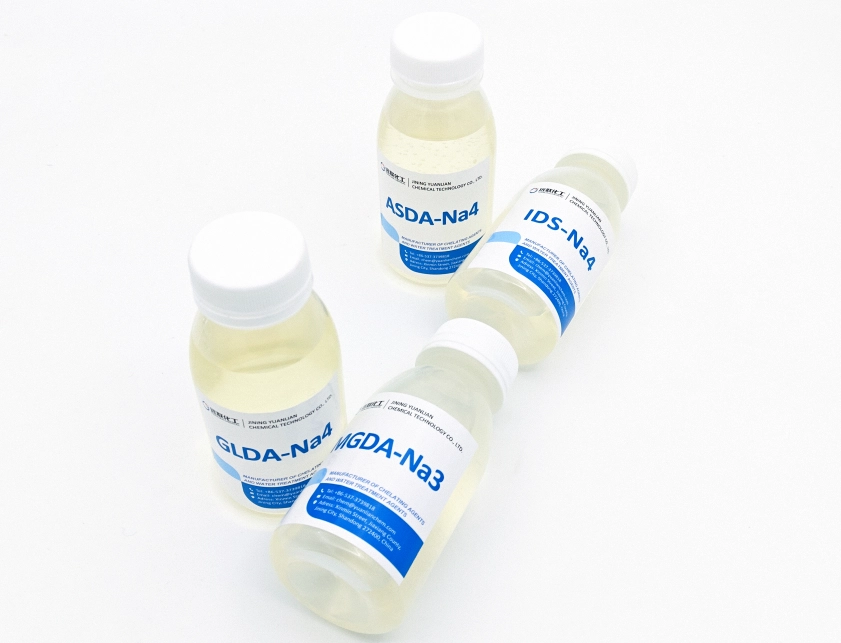
Tetrasodium glutamate diacetate, better known as GLDA, is a chelating agent. That means it binds to metal ions and pulls them out of circulation. When the metals are bound, they cannot interfere with your preservative system. Your preservatives stay intact longer. They remain effective at lower concentrations. And your product stays safe on the shelf without relying on harsh synthetic chemicals.
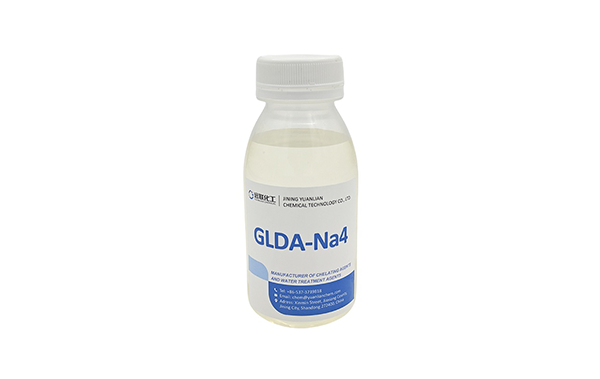
The key difference between GLDA and older chelators like EDTA is where it comes from. GLDA is manufactured from L-glutamic acid, which is produced through fermentation of plant starches. The result is a chelator that is more than eighty percent bio-based carbon content. For a natural personal care brand trying to reduce petrochemical inputs while maintaining performance, that matters.
Just as importantly, GLDA is fully biodegradable. OECD 301 tests confirm breakdown exceeding ninety-eight percent within twenty-eight days. When your product rinses down the drain, GLDA does not persist in the environment. This matters for European consumers who increasingly check every ingredient against their own environmental standards.
How GLDA Extends Preservative Performance
The mechanism is straightforward but worth understanding.
Many common preservatives used in natural personal care, including organic acids like sodium benzoate and potassium sorbate, as well as more potent options like benzyl alcohol or dehydroacetic acid, can be broken down by metal ions. Iron and copper are particularly aggressive. They catalyse oxidation reactions that consume the preservative molecules over time.
When you add GLDA to your formulation, it chelates those metal ions before they can do any damage. The GLDA-metal complexes are stable and unreactive. The preservative molecules remain available to do their job: controlling microbial growth.
The effect is measurable. In challenge tests comparing identical preservative systems with and without GLDA, the versions containing the chelator consistently show lower microbial counts at three months and six months. Some formulators report being able to reduce their preservative load by ten to fifteen percent while maintaining the same level of protection.
For a brand that wants to make a "preservative-free" or "low preservative" claim, this makes a real difference.
Maintaining the Natural Claim
European regulations around natural claims are strict. You cannot simply call anything natural and get away with it. Certification bodies like COSMOS, ECOCERT, and NATRUE have specific positive and negative lists.
GLDA appears on the positive list for COSMOS and ECOCERT. It is approved as a chelating agent in certified natural cosmetics across all major European certification schemes. This means you can add GLDA to your formulation and still qualify for natural certification, provided the rest of your formula meets the requirements.
The INCI name is tetrasodium glutamate diacetate. On your ingredient label, it sits alongside other functional ingredients. For the educated European consumer who reads labels, GLDA is recognised as a mild, plant-derived alternative to EDTA. It does not trigger the same suspicion as "paraben" or even "phenoxyethanol."
Practical Formulation Guidelines
If you are ready to try GLDA in your natural personal care products, here is what you need to know.
Dosage. For preservative boosting applications, start with 0.2 to 0.5 percent active GLDA. This is usually enough to chelate the trace metals present in a typical natural formulation. If your product contains significant levels of plant extracts or botanical infusions, you may need up to 1.0 percent.
Order of addition. Add GLDA to the water phase early in the mixing process, before adding any ingredients that might introduce metal ions. This allows the chelator to be fully dissolved and distributed before it needs to start binding metals.
pH compatibility. GLDA is effective across a broad pH range from 2 to 13.5. For personal care applications, which typically run between pH 4.5 and 7.5, this is not a concern.
Compatibility with other ingredients. GLDA is compatible with most natural surfactants including coco-glucoside, decyl glucoside, and sodium cocoyl glutamate. It works alongside natural thickeners like xanthan gum and natural emollients like shea butter and jojoba oil.
Temperature stability. GLDA remains stable during normal manufacturing temperatures up to eighty degrees Celsius. You can add it to the hot phase or the cold phase without degradation.
Comparing GLDA to Other Chelating Options
| Chelator | Bio-based | Biodegradable | COSMOS approved | Preservative boosting |
|---|---|---|---|---|
| GLDA | >80% | Yes | Yes | Excellent |
| EDTA | 0% | No | No | Good (but not natural) |
| Phytic acid | Yes | Yes | Yes | Moderate |
| Citric acid | Yes | Yes | Yes | Weak (pH dependent) |
| Sodium phytate | Yes | Yes | Yes | Moderate |
Citric acid is the most common natural chelator in personal care today, but it has limitations. It only chelates effectively within a specific pH range, and its binding strength for iron and copper is relatively weak. Many formulators who switch from citric acid to GLDA notice an immediate improvement in preservative system robustness.
Why European Brands Are Making the Switch
The natural personal care market in Europe continues to grow. German consumers, French pharmacy brands, and Nordic clean beauty buyers all expect products that are both effective and environmentally responsible.
GLDA fits this brief. It is plant-derived. It is biodegradable. It is certified for natural cosmetics. And it solves a real technical problem that has frustrated formulators for years.
There is also a supply chain consideration. EDTA faces increasing regulatory scrutiny across Europe. Several major brands have already committed to removing it from their formulations. GLDA offers a ready alternative that meets both performance requirements and sustainability goals without requiring a complete reformulation.
Final Thoughts
Preservative failure is one of the most expensive problems a personal care brand can face. Recalls cost money. Damaged customer trust costs more. Spoiled products on store shelves damage your reputation in ways that take years to repair.
GLDA will not solve every preservation challenge. But for natural formulations struggling with preservative degradation due to metal ion contamination, it is often the missing piece.
At Yuanlian Chemical, we supply bio-based GLDA to personal care formulators across Europe. Our material is REACH-registered, COSMOS-approved, and supported by full technical documentation. We provide samples for testing and technical support to help you optimise your formulation.
Contact our personal care team to discuss your preservative boosting requirements or request GLDA samples for your next formulation project.