By Yuanlian Chemical | Sustainable Agriculture Division
As European agriculture moves toward the Green Deal and Farm to Fork targets, reducing nutrient loss and enhancing Nitrogen Use Efficiency (NUE) have become non-negotiable goals for modern farming. Traditional fertilization methods often suffer from leaching and volatilization, leading to environmental impact and wasted investment. Enter Polyaspartic Acid (PASP): a biodegradable, biomimetic polymer that acts as a powerful fertilizer synergist and biostimulant raw material.
Root Development and Nutrient Transport: The Role of PASP as a Biomimetic Polymer
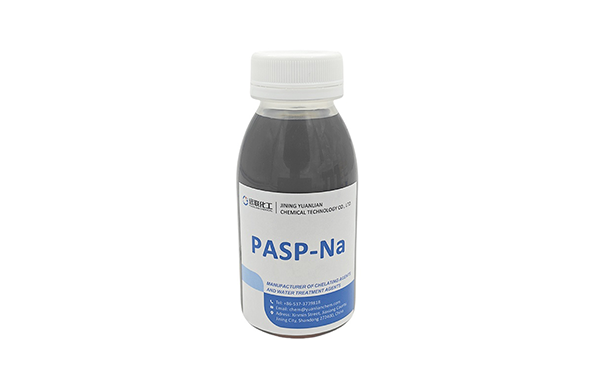
PASP is a synthetic amino acid polymer that mimics the function of natural proteins found in mollusk shells and plant root exudates. Its high density of carboxyl groups provides it with exceptional cation-exchange capacity.
When applied as a fertilizer synergist, PASP functions through several mechanisms:
- Macro-element Stabilization: PASP forms a protective film around nitrogen, phosphorus, and potassium, slowing their release and reducing leaching into groundwater.
- Root Proliferation: By stimulating the expression of root-growth genes, PASP leads to longer primary roots and denser lateral root hairs.
- Active Transport: It acts as a "molecular shuttle," chelating soil minerals and transporting them directly to the plant's vascular system.
Mitigating Salt Stress: How PASP Improves Crop Resilience in Saline-Alkali Soils
In many regions across Southern Europe and coastal areas, soil salinity is a major bottleneck for productivity. High salt concentrations lead to osmotic stress and ion toxicity, preventing plants from absorbing water and nutrients.
PASP offers a dual-action solution for saline-alkali resilience:
- Ion Buffering: PASP can selectively sequester excess sodium (Na⁺) ions while promoting the uptake of potassium (K⁺), helping the plant maintain a healthy ionic balance.
- Osmotic Protection: As a biostimulant, it triggers the accumulation of proline and other protective solutes within the plant cells, maintaining turgor pressure even under high salinity.
This makes PASP an essential component for formulations used in precision irrigation and soil remediation projects.
Case Studies: Improving Yield and Quality in Berry and Orchard Crops with PASP-Chelated Minerals
Practical applications across European orchards have demonstrated the superior efficacy of PASP-chelated minerals compared to traditional inorganic salts.
Berry Production (Spain/Poland)
In strawberry and blueberry trials, the addition of 0.5% PASP to standard NPK regimens resulted in a 12-18% increase in Brix levels (sugar content) and significantly firmer fruit. The chelating power of PASP ensured that Calcium (Ca) and Boron (B) remained mobile, preventing tip burn and improving shelf life.
Citrus & Apple Orchards (Italy/Greece)
Application of PASP-Zn/Mn complexes through fertigation showed a rapid correction of chlorosis symptoms. Due to the amino acid nature of the polymer, the nutrients were absorbed more readily than EDTA-based alternatives, with the added benefit of being 100% biodegradable and non-toxic to soil microbes.
Why Choose PASP? A Technical Snapshot
| Parameter | PASP Benefit |
|---|---|
| NUE Improvement | Increases Nitrogen efficiency by up to 25% |
| Environmental Impact | Fully Biodegradable (OECD compliant) |
| Compatibility | Works with NPK, Urea, and Micronutrients |
Ready to Enhance Your Fertilizer Performance?
Yuanlian Chemical is a leading manufacturer of high-purity Polyaspartic Acid (PASP) and chelated minerals for the global market.
Contact Our Technical Team