Executive Summary:
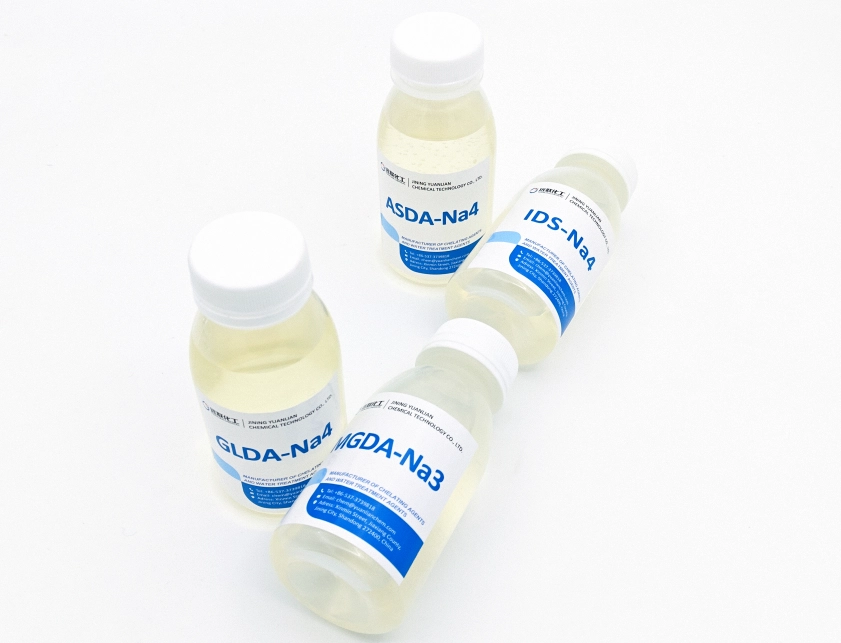
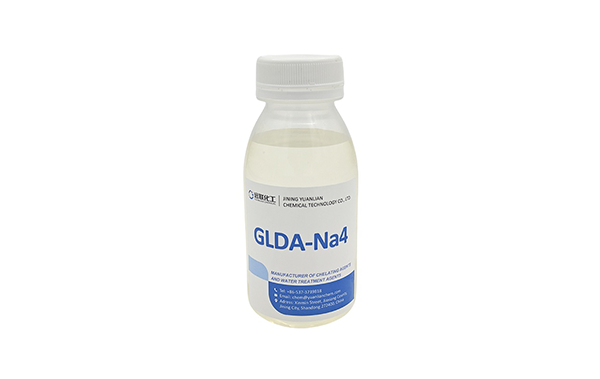
- The Innovation: GLDA (Tetrasodium Glutamate Diacetate) is replacing EDTA as the premier biodegradable carrier for zinc, iron, manganese, and copper.
- Uptake Efficiency: GLDA chelates maintain stability across a wide pH range (2-12), ensuring superior bioavailability in alkaline soils.
- Sustainability: Derived from plant-based L-glutamic acid; meets OECD 301B standards for "Ready Biodegradability."
- Strategic Advantage: Essential for formulations aiming for Eco-Label certification and zero-soil-accumulation targets.
In the evolving landscape of sustainable agriculture, the efficiency of micronutrient delivery systems is being redefined. Traditional synthetic chelating agents like EDTA and DTPA are facing increasing regulatory scrutiny due to their environmental persistence. Entering 2026, GLDA chelates have emerged as the strategic solution for enhancing nutrient uptake while ensuring total environmental harmony.
Why GLDA is the Next Generation of Fertilizer Synergists
The primary challenge in micronutrient application is preventing nutrient "lock-up" in the soil. GLDA-Na₄ acts as a powerful ligand that protects metallic ions from forming insoluble precipitates.
| Performance Metric | EDTA Chelates | GLDA Chelates (Biodegradable) |
|---|---|---|
| Biodegradability | Non-biodegradable (<10%) | Fully Biodegradable (>60%) |
| pH Stability Range | Limited (pH 4-8) | Wide (pH 2-12) |
| Soil Accumulation | High Risk (Heavy metal mobility) | Zero Risk (Natural decomposition) |
| Solubility | Standard | Exceptional (Ideal for Concentrates) |
Key Benefits of GLDA in Micronutrient Uptake
1. Enhanced Bioavailability in Alkaline Soils
Many micronutrients, such as Zinc (Zn) and Manganese (Mn), become unavailable to plants in high-pH soils. GLDA chelates remain stable and soluble even in calcareous soils, ensuring that the nutrients reach the root zone in a plant-available form.
2. Synergistic Leaf Absorption
For foliar applications, the high solubility and small molecular footprint of GLDA-Na₄ allow for faster penetration through the leaf cuticle, reducing nutrient waste and improving crop response times.
3. Support for "Green Agriculture" Certifications
As retailers and consumers demand eco-friendly produce, using OECD 301B compliant chelates like GLDA helps fertilizer manufacturers secure a competitive edge in the global export market.
Applications: Beyond Traditional Fertilizers
- Liquid Fertilizer Concentrates: GLDA's high solubility allows for more nutrient-dense formulations without crystallization.
- Hydroponics & Vertial Farming: Precision nutrient delivery with zero toxic buildup in closed-loop systems.
- Seed Treatment: Safe, non-toxic chelation for early-stage growth support.
FAQ: GLDA in Modern Agriculture
Q: Can GLDA replace EDTA 1:1 in micronutrient formulations?
A: Yes. While the chelation constant varies slightly, GLDA-Na₄ can effectively replace EDTA in most Zn, Mn, and Cu formulations. For Iron (Fe), it provides an excellent biodegradable alternative for mildly acidic to alkaline conditions.
Q: Is GLDA safe for soil microbes?
A: Absolutely. Unlike synthetic chelates that can disrupt soil microbial ecology, GLDA is bio-based and serves as a carbon source for soil microorganisms once the nutrient is released.