12 May
Sourcing PASP from China: A Buyer’s Guide to Quality Control, Capacity, and Global Logistics
As the global push for green chemistry intensifies, Polyaspartic Acid (PASP) has emerged as the definitive biodegradable alternative to traditional scale inhibitors like EDTA or phosphonates. For European and global procurement managers, China represents the primary hub for high-capacity PASP production. However, navigating the landscape of Chinese manufacturers requires a nuanced understanding of technical specifications, environmental compliance, and supply chain stability.
This guide outlines the essential factors for sourcing industrial-grade PASP, ensuring your supply chain meets both performance and sustainability benchmarks.
1. Technical Specifications: Identifying High-Performance PASP
When you look to buy polyaspartic acid in bulk, the "industrial grade" label isn't enough. Precision in chemical properties dictates the efficiency of your final formulation, whether in water treatment, agriculture, or detergents.
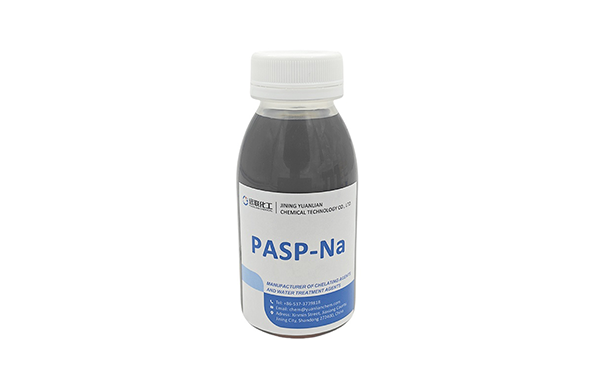
- PASP 40% Liquid: This is the industry standard for logistics and ease of dosing. Ensure your PASP 40% liquid supplier provides a product with a pH typically between 9.0 and 11.0 and a consistent amber-to-reddish transparent appearance.
- Molecular Weight Control: Effectiveness in scale inhibition is highly dependent on the molecular weight distribution. Request GPC (Gel Permeation Chromatography) data to ensure the polymer chains are optimized for your specific application.
- Biodegradability: True PASP must adhere to OECD 301B standards, reaching over 60% biodegradation within 28 days—a critical metric for ESG reporting.
2. Evaluating a PASP Manufacturer in China
The difference between a trading company and a dedicated industrial grade PASP factory lies in R&D and quality consistency. A reliable manufacturer should offer:
- Integrated Production: Direct synthesis from L-aspartic acid allows for better price stability and quality control.
- Customization (Chelation Power): Top-tier manufacturers can adjust the chelation value to suit specific micronutrient delivery systems in agriculture.
- Certification Framework: Beyond ISO 9001, look for REACH registration—a non-negotiable requirement for importing chemicals into Europe.
3. Quality Control: The "Zero-Defect" Framework
| Parameter | Importance | Verification Method |
|---|---|---|
| Solid Content | Ensures you are paying for active polymer, not water. | Drying Oven / Refractometer |
| Free Monomer | Low residual L-aspartic acid indicates high conversion. | HPLC Analysis |
| Scale Inhibition | Direct proof of field performance. | Static Scale Inhibition Test |
Expert Insight: Always request a pre-shipment sample from the actual production batch. Reputable Chinese factories will provide a COA that aligns with independent third-party testing such as SGS.
4. Global Logistics and Capacity Assurance
Sourcing from China involves managing lead times and port dynamics. Most high-volume PASP exports utilize major hubs like the port for streamlined maritime transport.
- Packaging: For bulk orders, 1250kg IBC tanks or flexitanks are the most cost-effective for large-scale industrial projects.
- Lead Time: During peak seasons, ensure your supplier has a "buffer stock" policy to prevent production halts.
- Incoterms: Ensure the transfer of risk is clearly defined (FOB or CIF).
5. Summary for Procurement Teams
If you are ready to transition to a more sustainable scale inhibitor, focus on manufacturers who offer REACH compliance, verified OECD 301B biodegradability, and robust liquid 40% capacity. By auditing the factory’s synthesis process and logistics flexibility, you ensure a reliable, long-term supply of this essential green chemical.
Latest News



Need help
Prefer speaking with a human to filling out a form? call corporate office and we will connect you with a team member who can help.