27 Nov
The Revolutionary Role of Tetrasodium Glutamate Diacetate in Modern Detergents
In today's fast-paced world, detergents are indispensable for maintaining cleanliness in households, industries, and commercial settings. They rely on a complex blend of ingredients to tackle dirt, stains, and grime, with surfactants often taking the spotlight. However, behind the scenes, chelating agents play a crucial role in enhancing cleaning efficiency. One such innovative compound is tetrasodium glutamate diacetate, a biodegradable and effective solution that is transforming the detergent industry. This article delves into its applications, benefits, and environmental impacts, providing a comprehensive overview of why it's becoming a preferred choice for formulators and eco-conscious consumers alike.
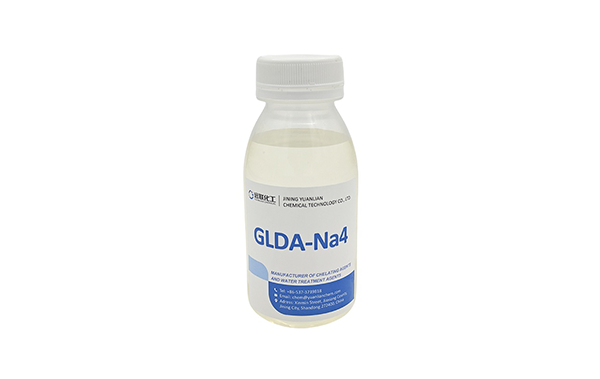
Tetrasodium glutamate diacetate, abbreviated as GLDA or TGDA, is a water-soluble chelating agent derived from amino acids, specifically glutamic acid. Its chemical structure features multiple acetate groups that enable it to bind firmly with metal ions like calcium, magnesium, and iron. This binding capacity is not just a minor detail; it's fundamental to detergent performance. Hard water, which contains high levels of these dissolved minerals, is a common challenge in many regions. When such ions interact with surfactants, they form insoluble complexes that reduce the detergent's ability to foam, rinse, and dissolve soils. By sequestering these hardness ions, tetrasodium glutamate diacetate prevents this interference, allowing surfactants to maintain high activity and deliver superior cleansing power. In practical terms, this means detergents lather better, wash clothes more thoroughly, and leave surfaces residue-free, even in areas with problematic water sources. This makes it a versatile addition across liquid detergents, powder formulations, dishwashing soaps, and industrial cleaning agents.
The environmental advantages of tetrasodium glutamate diacetate set it apart from traditional chelators like ethylenediaminetetraacetic acid (EDTA) or nitrilotriacetic acid (NTA). While EDTA has been a staple for decades, its persistence in ecosystems has raised concerns about toxicity and slow degradation. In contrast, tetrasodium glutamate diacetate is biodegradable, breaking down naturally in water and soil without accumulating or harming aquatic life. Scientific studies confirm that it degrades over 90% within 28 days under aerobic conditions, minimizing long-term pollution risks. This eco-friendly profile aligns with the growing regulatory push for sustainable chemicals. For instance, the European Union's REACH regulations encourage such alternatives to reduce industrial footprints, making tetrasodium glutamate diacetate a key player in green formulations. Manufacturers are increasingly incorporating it to meet demand for "eco-label" certifications, where products must demonstrate lower environmental impact without compromising efficacy. This shift not only appeals to environmentally aware consumers but also supports corporate sustainability goals, reinforcing a move towards circular economy principles in the supply chain.
Beyond basic cleansing, the specific applications of tetrasodium glutamate diacetate in detergents are diverse and impactful. In laundry detergents, it enhances stain removal by stabilizing enzymes like proteases and amylases, which break down proteins and starches. This leads to whiter, brighter fabrics without the risk of yellowing that can occur when metal ions catalyze oxidation reactions. Liquid detergents benefit significantly from its solubility, as it prevents precipitation and ensures consistent formulation stability during storage. For automatic dishwashers, it combats water spot formation on glassware by binding minerals that cause unsightly films. Industrial cleaners in sectors such as textiles and food processing rely on it to control scale buildup in equipment, reducing maintenance costs and downtime. Even in specialty applications like "cold-water detergents," where energy savings are paramount, tetrasodium glutamate diacetate boosts performance by maintaining surfactant efficiency at lower temperatures, contributing to reduced carbon emissions. Real-world examples include major brands reformulating products to include this compound, resulting in measurable improvements—such as stain removal rates increasing by up to 30% in comparison tests—without altering the user experience.
Safety is a critical consideration, and tetrasodium glutamate diacetate excels here too. Human exposure tests show low toxicity profiles; it's classified as safe by regulatory bodies like the U.S. Food and Drug Administration (FDA) and the Environmental Protection Agency (EPA) for use in consumer goods. Skin irritation risks are minimal, and its amino acid-based origin means it degrades harmlessly, reducing concerns over endocrine disruption or carcinogenic effects associated with older agents. This safety extends to aquatic environments, where its rapid biodegradation prevents bioaccumulation. However, as with all chemicals, proper handling guidelines should be followed during production to avoid respiratory issues or contact irritation. The rise of consumer demand for transparency means manufacturers must provide clear labeling and data, which further solidifies tetrasodium glutamate diacetate's position as a responsible choice in a market leaning towards non-toxic, plant-derived ingredients.
Looking ahead, the future of tetrasodium glutamate diacetate in detergents appears bright and innovative. Advancements in biotechnology are enabling cost-effective production from renewable sources, such as corn or sugarcane, which could lower costs and broaden accessibility. Research is exploring synergies with other eco-additives, like bio-based surfactants, to create next-generation "super-detergents" that offer enhanced cleaning with zero environmental compromise. Market trends indicate a steady growth trajectory: experts predict the global demand for biodegradable chelating agents to rise at over 10% annually, driven by tightening regulations and consumer preferences. In essence, tetrasodium glutamate diacetate is not just improving how we clean—it's reshaping the entire detergent landscape towards greater sustainability and effectiveness. By embracing such innovations, the industry can contribute to a cleaner, greener planet while meeting the daily challenges of modern life.
Latest News




Need help
Prefer speaking with a human to filling out a form? call corporate office and we will connect you with a team member who can help.