26 Nov
Revolutionising Soil Remediation: Polyaspartic Acid as a Green Solution by Yuanlian Chemical
Introduction: The Growing Challenge of Soil Health
Soil, the foundation of our agricultural ecosystem, is under immense stress. Industrial activity and intensive farming practices have led to widespread issues such as heavy metal contamination, nutrient depletion, and soil compaction. These challenges not only compromise crop yield and quality but also pose significant risks to the wider environment and food safety. Addressing these concerns demands innovative, effective, and, crucially, sustainable solutions. Among the most promising advances in this field is Polyaspartic Acid (PASP), a biodegradable polymer that offers a powerful and eco-friendly approach to soil restoration. Yuanlian Chemical, a leading innovator in environmental solutions, is at the forefront of developing and applying this transformative technology.
What is Polyaspartic Acid (PASP)? The Science of a "Green Remediation Agent"
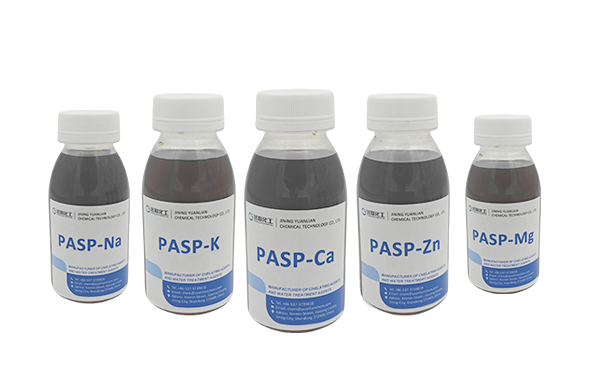
Polyaspartic Acid (PASP) is a water-soluble, synthetic polymer inspired by naturally occurring substances found in marine organisms like mollusc shells. Its molecular structure is designed for high performance while maintaining a minimal environmental footprint. The key characteristic of PASP is that it is fully biodegradable and non-toxic, aligning perfectly with the stringent environmental standards and sustainability goals of modern European agriculture. Unlike harsh chemical alternatives, it remediates soil without the risk of secondary pollution.
The Four Key Mechanisms of Polyaspartic Acid in Soil Remediation
1. Effective Chelation: Immobilising Heavy Metals
In contaminated soils, heavy metals such as cadmium, lead, and mercury exist in a bioavailable form, easily absorbed by crops. The molecular chain of Polyaspartic Acid contains numerous carboxyl groups (-COOH) that act like "molecular claws," forming stable chelates with these metal ions. This process effectively immobilises the heavy metals, preventing their uptake by plants and significantly reducing the risk of them entering the food chain.
2. Restoring Soil Structure: Combating Compaction
Prolonged use of chemical fertilisers can degrade the soil's crumb structure, leading to hard, compacted, and airless earth. Polyaspartic Acid works as a soil conditioner, binding tiny soil particles into stable aggregates. This dramatically improves soil porosity and aeration, creating an optimal environment for root development and microbial activity—essentially building a "highway system" for root growth.
3. Enhancing Nutrient & Water Retention
Polyaspartic Acid possesses a remarkable capacity to retain water and adsorb nutrients. It acts as a protective shield around plant roots, reducing the leaching and fixation of essential nutrients like Nitrogen, Phosphorus, and Potassium. By making fertilizers more available to plants over a longer period, PASP can increase nutrient use efficiency by 20-30%, enabling farmers to reduce input costs while maintaining high yields.
4. Stimulating Microbial Activity
Healthy soil is teeming with beneficial microorganisms. Polyaspartic Acid serves as a carbon and nitrogen source, stimulating the proliferation of vital soil microbes, including phosphate-solubilising and potassium-solubilising bacteria. This enhances the natural breakdown of organic matter and nutrient cycling, revitalising the soil's inherent biological ecosystem.
Yuanlian Chemical: Pioneering Advanced PASP Solutions for Europe
Understanding the science is the first step; implementing it effectively requires a reliable and technologically advanced partner. Yuanlian Chemical has established itself as a trusted provider of high-performance Polyaspartic Acid through its commitment to innovation and quality.
Proprietary Technology: We utilise advanced biosynthesis and polymerisation processes to produce PASP with high purity and optimal molecular weight profiles. Our product range includes specialised formulations tailored to specific soil challenges, from heavy metal contamination to salinisation.
Quality Assurance: Our integrated quality control system, from raw materials to finished product, guarantees consistent performance and compliance with EU environmental and safety standards.
Expert Application Support: Beyond supplying premium products, our team of agronomists and environmental scientists provides comprehensive support, including soil analysis, customised remediation plans, and ongoing technical guidance for large-scale projects.
Case Study Overview: In a project targeting cadmium-contaminated paddy fields in Southern Europe, a Yuanlian Chemical PASP-based remediation protocol was implemented. After one growing season, results showed a reduction of over 35% in bioavailable cadmium in the soil. The rice grains met EU safety standards for heavy metal content, while soil structure and overall crop health saw marked improvement.
Conclusion: Investing in Green Remediation is Investing in Our Future
The path to restoring our vital soil resources requires a shift towards intelligent, sustainable technologies. Polyaspartic Acid (PASP) represents this new direction in environmental remediation. Partnering with an industry leader like Yuanlian Chemical ensures that this powerful technology is applied effectively, safely, and with a clear return on investment for both farmland productivity and ecological well-being.
Take the first step towards healthier, more productive soil.
Latest News



Need help
Prefer speaking with a human to filling out a form? call corporate office and we will connect you with a team member who can help.