17 Oct
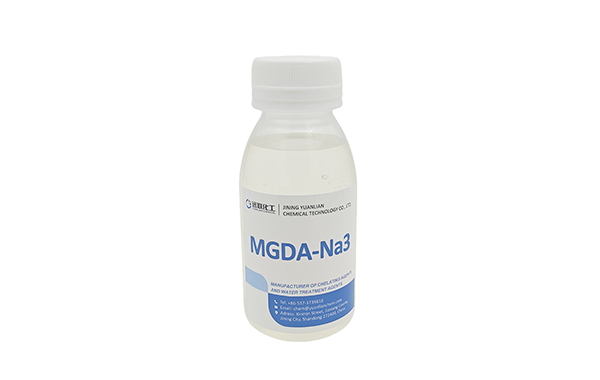
The Role of MGDA in Dishwasher Detergents: Boosting Efficiency & Environmental Sustainability in Europe
In modern European households, dishwasher detergents face a dual challenge: delivering spotless results while minimizing environmental impact. Methylglycine Diacetate Trisodium Salt (MGDA), an innovative chelating agent, has emerged as a game-changer, solving persistent cleaning dilemmas in an eco-conscious way.
Water hardness is Europe's hidden dishwasher adversary. Calcium and magnesium ions in hard water react with detergent components, forming stubborn limescale deposits on glassware and cutlery. Traditional solutions relied heavily on phosphates, now widely restricted due to their devastating aquatic ecosystem effects. This created a performance gap that MGDA elegantly bridges. As a highly soluble, biodegradable chelator derived from natural glycine, MGDA selectively binds to metal ions without accumulating in waterways.
How does MGDA transform dishwasher performance? Its molecular structure features three carboxylate groups that actively "grab" calcium and magnesium ions like microscopic claws. This prevents these ions from interfering with cleaning surfactants and forming cloudy mineral films. Crucially, MGDA maintains this ion-sequestering power across varied European water temperatures – a vital advantage since most European dishwashers run at energy-saving low temperatures (45-55°C) where many chelators falter. Tea stains lift effortlessly from porcelain, mineral haze vanishes from glassware, and cutlery emerges without white residue.
Environmental considerations make MGDA particularly significant for European markets governed by stringent eco-regulations like EU Ecolabel. Unlike persistent synthetic chelators, MGDA undergoes rapid aerobic and anaerobic biodegradation (OECD 301 standards), breaking down within days rather than lingering for years. This prevents long-term aquatic toxicity and bioaccumulation concerns. Manufacturers increasingly combine MGDA with plant-derived surfactants and enzymes to create formulations that pass strict biodegradability requirements while outperforming conventional detergents in real-world tests.
Practical benefits extend beyond technical specifications. European consumers appreciate MGDA-enhanced detergents for eliminating frustrating glass corrosion ("etching") caused by aggressive salts. Formulators leverage MGDA's compatibility with bleach systems to maintain sparkling results without damaging vulnerable items. Moreover, its pH-stabilizing properties ensure consistent performance throughout the wash cycle. Major European brands now prominently feature MGDA in premium "Ultimate Clean" and "Eco Power" lines, advertising "Hard Water Heroes" that tackle tough stains while meeting sustainability expectations.
Looking ahead, MGDA represents more than just an ingredient upgrade – it's a paradigm shift demonstrating that ecological responsibility and cleaning power aren't mutually exclusive. As manufacturers optimize synergistic formulations combining MGDA with next-generation enzymes and bio-surfactants, European consumers can expect increasingly effective, planet-friendly solutions. This advanced chelating agent truly embodies the European Union's vision for sustainable chemistry: high-performance innovations designed with environmental integrity from molecular structure to end use.
Latest News



Need help
Prefer speaking with a human to filling out a form? call corporate office and we will connect you with a team member who can help.