
20 Oct
Unlocking Sustainable Solutions: Sodium Glutamate Diacetate Tetra in Industrial Applications
Introduction: Sodium Glutamate Diacetate Tetra (GLDA): A Sustainable Breakthrough in Chelation Technology
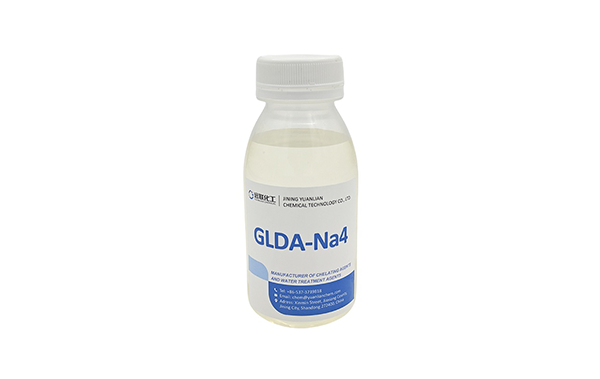
In today's rapidly evolving industrial landscape, the quest for environmentally conscious and efficient solutions has never been more critical. Sodium glutamate diacetate tetra, often abbreviated as GLDA (Glutamate Diacetate), represents a groundbreaking advance in chemical technology. As a biodegradable chelating agent derived from natural amino acids, it offers superior performance in binding metal ions, such as calcium and magnesium, that commonly cause scaling and inefficiency in various industrial processes. Unlike traditional alternatives like EDTA, GLDA breaks down harmlessly in the environment, aligning seamlessly with Europe's stringent regulations on sustainability and safety. Its adoption not only enhances operational efficiency but also supports corporate commitments to reduce ecological footprints, making it an indispensable tool for forward-thinking industries across the continent.
Core Advantage: Superior Performance Meets Environmental Responsibility
The application of sodium glutamate diacetate tetra spans a wide array of industrial sectors, each benefiting from its unique properties.
Revolutionizing Detergents: Combating Hard Water, Boosting Efficiency
In the detergent and cleaning industry, for instance, it serves as a powerhouse ingredient. Hard water is a pervasive challenge in many European regions, leading to reduced effectiveness of cleaning products and increased energy consumption. GLDA efficiently sequesters calcium and magnesium ions, preventing scale buildup in washing machines and dishwashers. This translates to longer appliance lifespans, lower maintenance costs, and improved cleaning performance. Brands like Yuanlian Chemical are at the forefront of supplying high-purity GLDA formulations, ensuring that manufacturers can produce eco-friendly detergents that meet consumer demand for sustainability without compromising on results. This synergy not only boosts product appeal but also contributes to broader goals, such as reducing microplastic pollution in waterways.
Ensuring Quality & Safety in Food and Beverage Processing
Beyond cleaning agents, sodium glutamate diacetate tetra finds robust utility in the food and beverage industry. Here, it acts as a stabilizer and chelator in processing, safeguarding product quality and extending shelf life. For example, in dairy processing, it prevents mineral-induced precipitation that could affect texture and taste. Similarly, in beverage production, it helps maintain clarity by binding trace metals. This not only enhances consumer safety—adhering to EU food safety standards—but also minimizes waste through improved preservation. Suppliers like Yuanlian Chemical emphasize rigorous quality control, delivering GLDA that complies with food-grade certifications, thereby empowering producers to innovate with confidence while addressing the growing European market for organic and sustainable options.
Enhancing Pharmaceutical Formulations with Biodegradable Chemistry
The pharmaceutical sector also leverages sodium glutamate diacetate tetra for its chelating prowess, particularly in drug formulations where metal contamination must be avoided. As an ingredient in topical creams and solutions, it enhances stability and bioavailability, ensuring consistent efficacy in treatments. In clinical settings, its biodegradability reduces the burden on wastewater systems, aligning with hospital sustainability initiatives. Industries seeking reliable sources benefit from partners like Yuanlian Chemical, who provide tailored GLDA solutions for pharmaceutical applications, supporting compliance with regulations like REACH and helping companies navigate the complexities of green chemistry.
Optimizing Water Treatment for Energy Savings and Conservation
Water treatment represents another key domain where sodium glutamate diacetate tetra shines. Industrial boilers, cooling towers, and desalination plants face persistent scaling issues that impair efficiency and increase corrosion risks. GLDA effectively sequesters scale-forming ions, leading to energy savings and extended equipment longevity. In Europe, where water scarcity is a growing concern, this contributes to conservation efforts by optimizing resource use. The adaptability of GLDA allows it to be integrated into existing systems with minimal retrofitting, making it a cost-effective choice. Yuanlian Chemical offers specialized formulations that cater to these needs, backed by comprehensive technical support to ensure optimal implementation.
Driving Innovation in Agrochemicals and Textile Manufacturing
Additional applications extend to niche areas, such as agrochemicals, where GLDA aids in nutrient delivery, enhancing crop yields while minimizing soil contamination. Its role in textile processing includes improving dye fixation, reducing water and chemical usage in line with circular economy principles. The versatility of sodium glutamate diacetate tetra underscores its value as a multifaceted tool, driving innovation across sectors while promoting a greener future. Collaborations with suppliers like Yuanlian Chemical enable industries to access custom blends, ensuring that specific challenges, from high-hardness environments to sensitive biological systems, are met with precision-engineered solutions.
Conclusion: The Future is Green: Adopting GLDA for Economic and Environmental Prosperity
Despite its advantages, adopting sodium glutamate diacetate tetra involves considerations such as cost and supply chain stability. However, these are increasingly offset by long-term savings and the rising availability of certified products from leaders like Yuanlian Chemical. By choosing GLDA, industries not only enhance performance but also demonstrate leadership in sustainability, resonating with European consumers who prioritize ethical production. As the push for eco-innovation intensifies, sodium glutamate diacetate tetra stands poised to revolutionize industrial practices, offering a path to both economic and environmental prosperity. Explore further with trusted suppliers to unlock its full potential.
Latest News



Need help
Prefer speaking with a human to filling out a form? call corporate office and we will connect you with a team member who can help.