17 Apr
Application Analysis of Polysuccinimide (PSI) in the Oilfield Industry
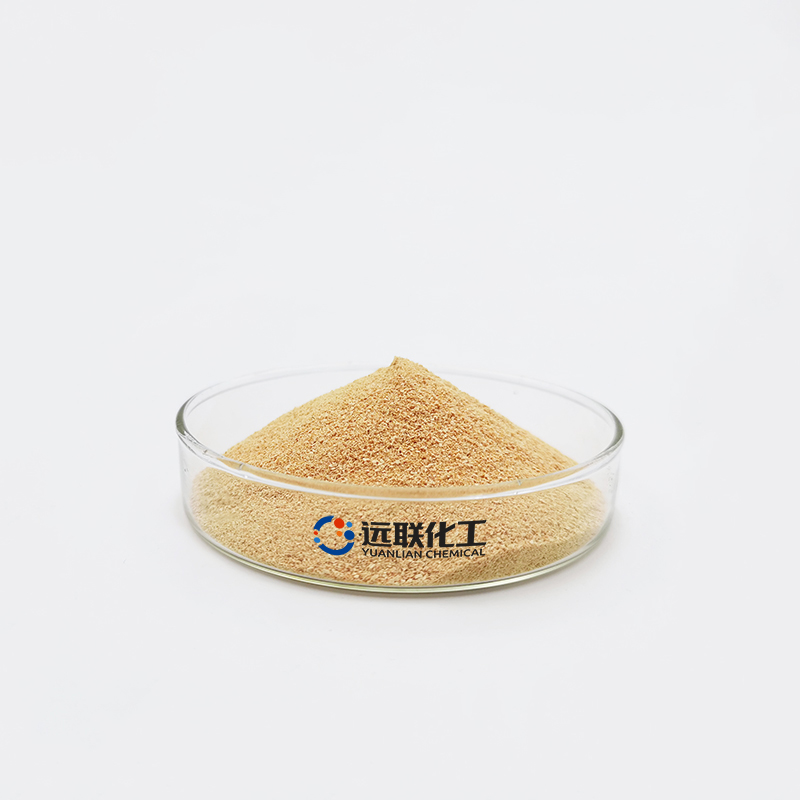
Polysuccinimide (PSI), a novel water-soluble polyimide polymer, has demonstrated significant application value throughout the entire lifecycle of oilfield operations. Its molecular backbone is rich in imide groups, endowing it with excellent reactivity, biodegradability, and metal chelating ability.
As oilfield development shifts toward deep reservoirs and environmental sustainability, PSI is gradually replacing traditional chemical agents in drilling, production, and environmental governance.
I. Core Properties of PSI: Adaptability to Extreme Oilfield Conditions
The application advantages of PSI stem from its chemical properties that precisely match complex operating conditions:
High Reactivity & Customization: The imide rings allow for ring-opening reactions, enabling molecular modification with sulfonic or carboxyl groups to enhance temperature and salt tolerance.
Superior Metal Chelation: Forms stable complexes with Ca2+, Mg2+, and Fe3+, effectively inhibiting scale and corrosion.
Environmental Sustainability: As a biodegradable polymer, PSI degrades into harmless molecules like succinic acid, boasting a biodegradation rate exceeding 90%.
Modified PSI can withstand temperatures above 180°C and mineralization resistance over 30×104 mg/L, making it ideal for high-temperature deep wells and high-salinity reservoirs.
II. Strategic Application Scenarios in Oilfield Operations
1. Drilling Fluid Treatment: Stabilizing Wellbores and Rheology
PSI acts as a high-performance fluid loss reducer and shale inhibitor. It forms a dense mud cake on the wellbore surface, reducing shale hydration and swelling risks.
Performance: Adding 0.5%-1.0% modified PSI can reduce high-temperature/high-pressure fluid loss by 40%-60%.
Shale Gas Success: In the Sichuan Basin, a PSI-based system reduced drilling cycles by 12 days and lowered costs by 18% in horizontal wells.
2. Oil Production: Reservoir Protection and Recovery Efficiency
In reservoir stimulation (fracturing), PSI achieves synergistic effects of gel breaking and damage prevention. Its chelating property removes iron ions, avoiding pore blockage.
Impact: Application in low-permeability reservoirs (e.g., Changqing Oilfield) increased fracture conductivity by 25% and daily oil production by 30%.
Water Blockage Removal: PSI adjusts rock wettability and plugs high-permeability channels, improving water flooding efficiency by 15%.
3. Anti-scaling and Corrosion Inhibition: Ensuring System Longevity
PSI disrupts scale crystal growth (CaCO3, BaSO4) at high temperatures.
Scaling: Adding 50-100 mg/L PSI can reduce scaling rates by over 90%. In offshore oilfields, this extended pipeline cleaning cycles from 3 to 12 months.
Corrosion: PSI forms a protective film on metal surfaces. In the Tarim Basin, it reduced wellhead corrosion rates from 0.12 mm/a to 0.02 mm/a, extending equipment life to 15+ years.
4. Environmental Governance: Driving "Green Oilfield" Transformation
PSI-based flocculants treat oily wastewater, reducing oil content to <5 mg/L for safe reinjection. In waste treatment, it complexes with heavy metals in drilling cuttings, enabling their resource utilization (e.g., brick making) while meeting "zero discharge" goals in sensitive ecological areas.
III. Future Outlook: High-Performance Customization and Circular Economy
The future of PSI in the oilfield industry lies in three directions:
Extreme Condition Customization: Developing PSI products for 200°C+ environments.
Multifunctional Composite Systems: Integrating reservoir stimulation with damage prevention.
Circular Resource Chain: Utilizing degradation products (like succinic acid) as nutrients for microbial oil recovery.
IV. Conclusion: A Core Material for Sustainable Exploitation
From stabilizing shale gas wells to protecting offshore equipment, Polysuccinimide (PSI) is proving to be an irreplaceable asset. Its "green efficiency and multi-functional integration" align perfectly with modern energy needs, ensuring the oilfield industry remains sustainable and efficient for decades to come.
Latest News



Need help
Prefer speaking with a human to filling out a form? call corporate office and we will connect you with a team member who can help.