21 Apr
PASP-K: Application and Value of a High-Efficiency Potassium-Source Synergist in Agricultural Green Transformation
I. Core Characteristics: Dual Innovation in Nutrient Supply and Green Efficiency
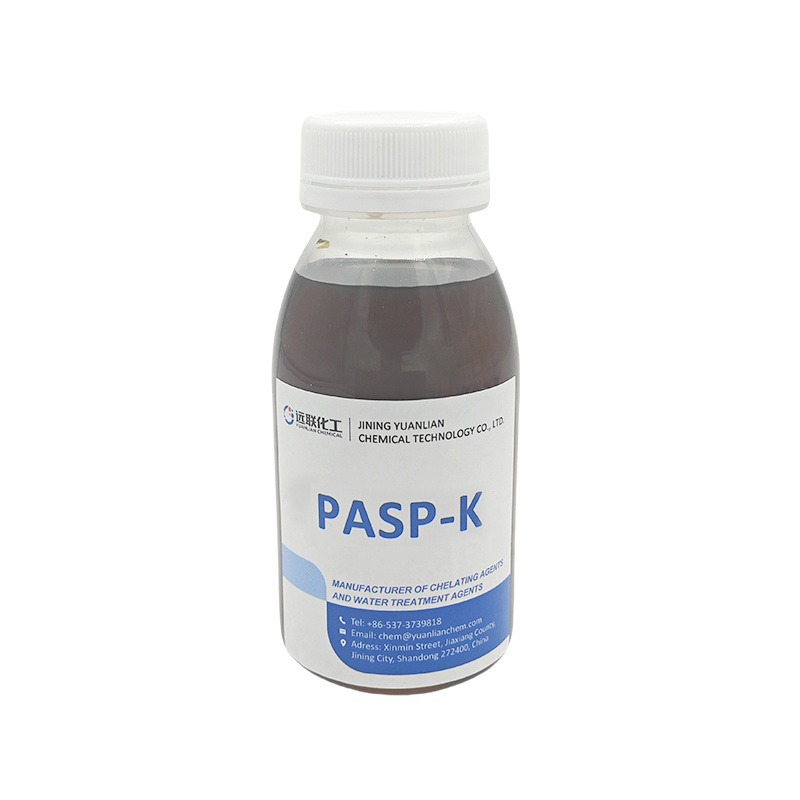
PASP-K (Polyaspartic Acid Potassium Salt, CAS No. 64723-18-8) is polymerized from bio-based L-aspartic acid. Unlike traditional additives, it integrates "nutrient supply, efficiency enhancement, and soil amendment" into a single molecule.
Why PASP-K is the "Green Choice" for Modern Agriculture:
Eco-Friendly Performance: It meets OECD standards with a 90% biodegradation rate within 28 days, decomposing into water, CO2, and ammonia without leaving phosphorus or heavy metal residues.
Nutrient Synergy: Its molecular structure contains carboxyl and amino groups that act as "natural magnets" to chelate nitrogen, phosphorus, and trace elements (Zn, Fe), significantly reducing nutrient leaching.
Direct Potassium Supplement: Unlike PASP-Na, PASP-K supplements essential potassium (8% in powder, 19% in liquid), solving the problem of synergists that "enhance efficiency without adding nutrients."
Superior Adaptability: Stable in pH 4-10, it resists salts and high temperatures, making it perfect for drip and sprinkler irrigation systems where it also prevents pipeline scaling.
II. Multi-Crop Application Scenarios: Enhancing Yield and Quality
1. Field Grain Crops: Breakthroughs in Fertilizer Saving
In staple crops like wheat, corn, and rice, PASP-K aligns with the global strategy of "chemical fertilizer reduction and efficiency improvement."
Wheat: Seed dressing combined with foliar spraying can increase nitrogen utilization by 60.3% and yield by 8%-15%, while significantly enhancing lodging resistance.
Corn: Adding 200-300g/mu to base fertilizer increases root dry weight by 23% and reduces fertilizer costs per mu by over 80 yuan.
Rice: Increases seed setting rates and net benefits (approx. 255 yuan/mu) through enhanced protein and potassium content.
2. Cash Crops: Optimizing Commercial Value
In the high-value fruit and vegetable sectors, PASP-K focuses on quality optimization:
Cotton (Xinjiang): Increases fiber strength by 10%-15% and upgrades the overall grade by 1-2 levels.
Vegetables: In leafy greens, fresh weight increases by up to 35.97% with higher Vitamin C content. In cucumbers, it reduces soil salinization by 28% and cuts malformed fruit rates by 30%.
Fruit Trees (Apples/Grapes): Enhances single fruit weight, sugar content (Brix), and color uniformity, significantly improving the "marketable fruit rate."
3. Soil Restoration: Revitalizing Saline-Alkali and Barren Lands
PASP-K is a powerful tool for problematic soils:
Saline-Alkali Soils: Reduces soil electrical conductivity by 34% and increases seedling emergence rates by 30%.
Alkaline Soil (pH 8.2+): Enhances trace element (Zn, Fe) absorption by 5-10 times compared to traditional fertilizers.
Black Soil Protection: When mixed with organic fertilizers, it improves soil texture and increases organic matter content annually.
III. Optimized Application Technologies and Synergy
To maximize the value of PASP-K, the following methods are recommended:
Synergistic Mixing: Mix with chemical fertilizers at a ratio of 1:100–200 to maximize efficiency.
Organic Composting: Add 1-2kg per ton of organic fertilizer to boost soil organic matter by 10%-20%.
Pesticide Synergy: Mix at a 1:100–200 ratio to enhance efficacy while reducing phytotoxicity risks.
Environmental Timing: In high-heat areas, prefer morning or evening spraying at concentrations of 150-250mg/L.
IV. Industry Value and Future Trends in Green Agriculture
The wide adoption of PASP-K brings a triple win for the agricultural industry:
Economic: Achieves a "20%-30% fertilizer reduction + 8%-30% yield increase."
Environmental: Prevents water eutrophication and agricultural non-point source pollution.
Social: Supports global "Carbon Neutrality" goals by promoting sustainable land use.
Future Focus: The market is moving toward high-potassium formulas (≥20%) and composite systems (PASP-K + Humic Acid + Biological Agents) to achieve multi-functional integration of soil health and crop immunity.
Latest News



Need help
Prefer speaking with a human to filling out a form? call corporate office and we will connect you with a team member who can help.