24 Apr
EU Adopts New Regulations on Detergents and Surfactants: Navigating the Path to Sustainable Chemistry
The EU Council has officially approved updated regulations concerning detergents and surfactants. This new legislation is designed to facilitate smoother marketing across the EU while setting a global benchmark for protecting human health and the environmental ecosystem.
I. Embracing Innovation: Microorganisms and Digital Passports
The 2026-era regulations have been modernized to incorporate the latest technological shifts:
Microbial Cleaning: For the first time, the definition of detergents covers products containing intentionally added microorganisms, ensuring safety standards for this emerging sustainable practice.
Digital Product Passports (DPP): To enhance transparency, the EU is moving toward digital labeling and product passports. This simplifies consumer information while providing authorities and toxicology centers with instant access to technical data.
Sustainable Sales Models: The legislation explicitly encourages eco-friendly practices such as bulk sales of detergents to reduce plastic waste.
II. Enhanced Environmental Safety: Biodegradability and Phosphorus Limits
The new legislation addresses historical shortcomings of the 2004 Regulation, focusing on two critical chemical components:
1. Surfactants and Full Biodegradability
Surfactants, the primary agents for breaking down oil and dirt, pose significant risks when discharged into aquatic systems. The new mandate ensures that all surfactants on the market must be fully biodegradable, whether they are sold individually or as part of a detergent formulation.
2. Strict Phosphorus Control to Combat Eutrophication
To prevent the "algal blooms" (eutrophication) that devastate aquatic ecosystems, uniform and strict limits have been set for phosphates and phosphorus compounds in both consumer laundry and automatic dishwasher detergents.
III. Ethical Production: A Strict Ban on Animal Testing
A landmark feature of the new EU Council regulation is the prohibition of animal testing in the production and safety assessment of detergents. This aligns with the global "Cruelty-Free" movement and pushes the industry toward advanced in vitro testing methods.
IV. Market Surveillance and Global Trade Impact
The detergent industry is a massive economic pillar, with a market value exceeding €41.2 billion. The new rules aim to:
Level the Playing Field: Ensure that all economic operators, including importers, follow the same safety protocols.
Fruit and Vegetable Safety: The scope now officially covers products used for cleaning the surfaces of fruits and vegetables, ensuring food-grade safety standards for these specific surfactants.
V. Strategic Compliance with Yuanlian Chemical
For global manufacturers exporting to Europe, navigating these overlapping regulations is a challenge. Shandong Yuanlian Chemical Co., Ltd. provides a portfolio of fully compliant solutions:
REACH-Registered Ingredients: Our core products meet the latest EU safety and environmental criteria.
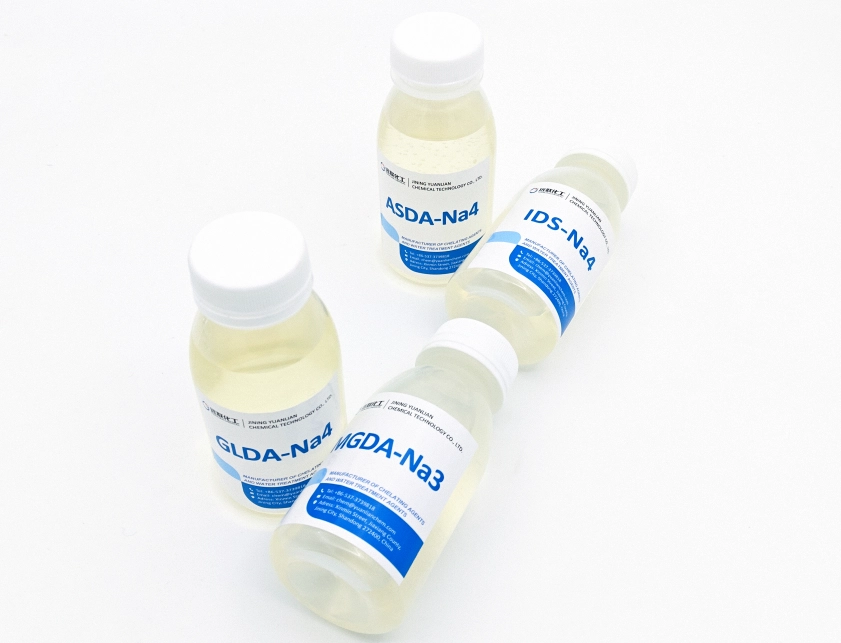
NTA-Free & Phosphate-Free: Our green chelating agents like GLDA and MGDA are the ideal builders to meet the new phosphorus limits.
OECD 301B Certified: Ensuring the high biodegradability mandated by the new surfactants and additives clauses.
Latest News


Need help
Prefer speaking with a human to filling out a form? call corporate office and we will connect you with a team member who can help.