15 Apr
Classification of Detergent Additives: From Inorganic Builders to Green Chelating Agents
Detergent additives are essential auxiliary materials that enhance stain removal and improve overall washing performance. They are categorized into inorganic additives (like sodium silicate and carbonate) and organic additives (like anti-redeposition agents).
I. The Core Functions of Additives in Cleaning
Additives are not just "fillers"; they perform three critical functions:
Water Softening: Removing hardness ions to protect surfactants.
Alkaline Buffering: Maintaining the ideal pH for soil removal.
Soil Suspension: Preventing dirt from re-adhering to fabrics (anti-redeposition).
II. Common Inorganic Additives and Their Roles
1. Sodium Silicate (Water Glass)
Acting as an alkaline buffer, sodium silicate typically accounts for 3% to 10% of powdered detergents. It provides corrosion resistance, protects fabrics, and improves the flowability of detergent powders.
2. Sodium Carbonate (Soda Ash)
A precipitating water softener, sodium carbonate reacts with Ca2+ and Mg2+ to form precipitates. It is a major component in alkaline detergents, maintaining high cleaning power.
3. 4A Zeolite (Ion-Exchange Softener)
4A Zeolite is an insoluble ion-exchange agent. It works synergistically with phosphates to soften water. Its particle size is strictly controlled to ensure no residue is left on fabrics.
4. Sodium Sulfate (Glauber's Salt)
Added at levels of 20% to 60%, sodium sulfate is primarily a cost-effective filler. It significantly improves the flowability and setting properties of laundry powders.
III. Advanced Organic and Chelating Additives
1. Sodium Citrate and Polycarboxylates
Sodium Citrate: A chelating softener with excellent solubility. It creates a stable pH buffer system, ideal for sensitive formulations.
Polycarboxylates: These copolymers bind strongly to calcium and magnesium, providing an exceptional dispersing effect that prevents scale formation.
2. Anti-Redeposition Agents: Sodium Carboxymethyl Cellulose (CMC)
CMC has no detergency of its own but is vital for preventing dirt from returning to the fabric. It also stabilizes foam and thickens the detergent solution.
3. High-Performance Bleaching: Sodium Percarbonate
Known as "solid hydrogen peroxide," it provides powerful bleaching action by releasing active oxygen during the wash.
4. Traditional and Modern Chelating Agents (EDTA vs. GLDA)
EDTA: A traditional complexing agent that forms stable chelates with metal ions.
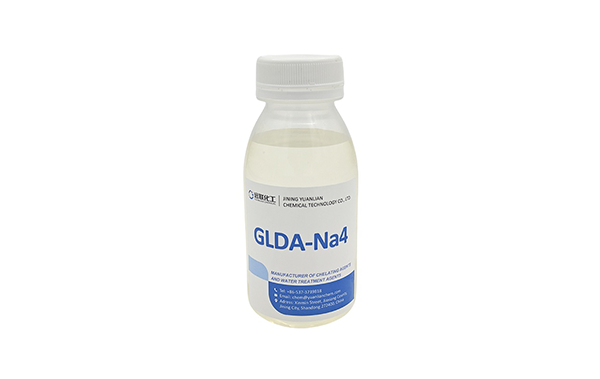
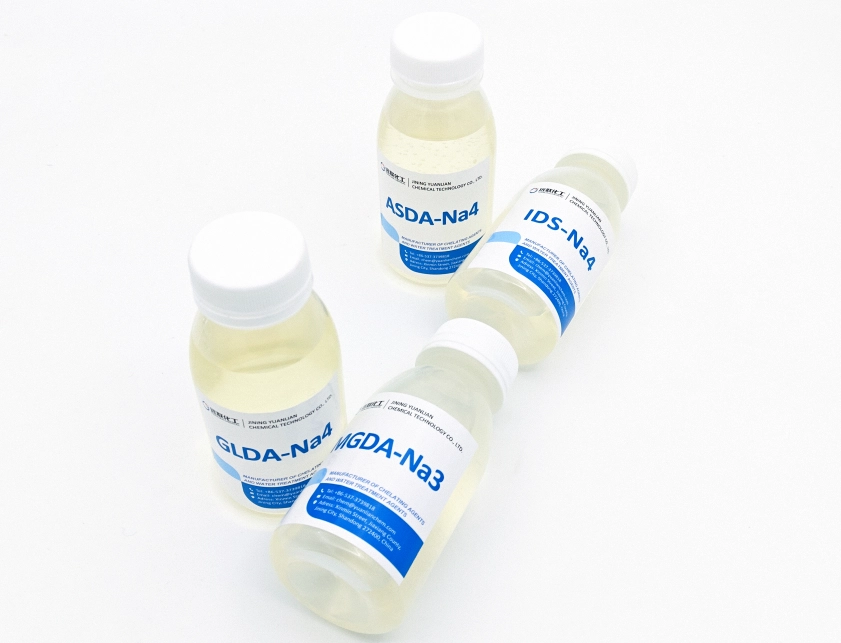
GLDA-Na4 (YUANLIAN CHEMICAL): A new generation of green degradable chelating agents. It can replace EDTA and phosphates across a wide pH range. GLDA is non-toxic, heat-resistant, and non-irritating to skin and eyes, making it perfect for sustainable formulations.
IV. Fragrances: Enhancing User Experience and Safety
Fragrances typically make up around 1% of the formulation. Beyond providing fresh floral, herbal, or woody scents, they must meet two strict criteria:
Safety: Minimizing irritation to skin and eyes.
Stability: Remaining effective and maintaining color even in highly alkaline conditions.
Latest News


Need help
Prefer speaking with a human to filling out a form? call corporate office and we will connect you with a team member who can help.