23 Jun
Maximizing Phase Stability in Concentrated Liquid Detergents Using GLDA-Na4
The Stability Problem in Modern Detergent Formulations
Anyone who has worked on concentrated liquid detergents knows the frustration. You develop a high-performance formula, scale it up, and three weeks later the product separates. Cloudiness appears. Viscosity shifts. Sometimes crystals form at the bottom of the bottle.
The culprit is often metal ions. Calcium and magnesium from hard water react with surfactants and builders, forming insoluble salts that destabilise the entire system. Traditional chelating agents like EDTA address this, but they come with environmental baggage – and they don't always play well at the high concentrations used in modern compact liquids.
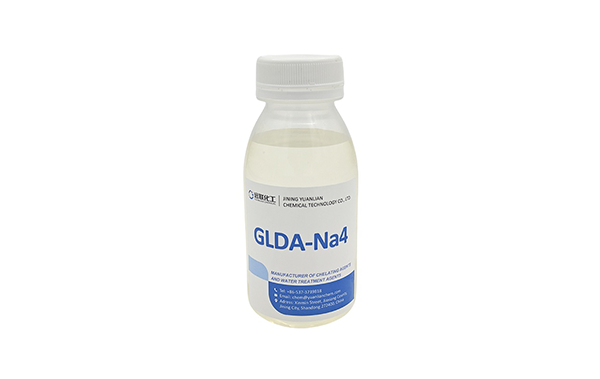
GLDA-Na4 (tetrasodium glutamate diacetate) offers a way forward. It combines excellent solubility in high-concentration systems, genuine phase-stabilising performance, and a clean biodegradability profile that meets EU Ecolabel criteria.
Why Phase Stability Matters More in Concentrated Systems
Compact liquids – 3x, 5x, even 8x concentrated – are a growing segment across Europe. They save packaging, reduce transport emissions, and appeal to eco-conscious consumers. But they also create formulation challenges that standard liquids don't face.
Higher active ingredient concentrations mean less water to keep everything in solution. Surfactants, builders, enzymes, and fragrances all compete for space. Metal ions, even at trace levels, can push the system past its solubility limit. The result: phase separation, precipitation, or turbidity that makes the product look defective.
GLDA-Na4 was designed with this challenge in mind. It remains completely miscible with water at all concentrations and stays stable in liquid concentrates up to 50–60% active matter. Unlike EDTA, which can struggle in highly alkaline, high-ionic-strength systems, GLDA-Na4 doesn't precipitate or crystallise under those conditions.
How GLDA-Na4 Stabilises Concentrated Formulations
1. Broad pH Tolerance Without Precipitation
Most chelators have a narrow effective range. EDTA works well at neutral to slightly alkaline pH but loses efficacy below pH 5. Phosphonates hold up at low pH but are poorly biodegradable.
GLDA-Na4 is different. The molecule remains fully ionised and stable from pH 2 to 14. That means one chelator works across acidic toilet cleaners, neutral laundry liquids, and highly alkaline degreasers without precipitation or loss of activity. For formulators producing multiple product lines, this versatility simplifies raw material inventory.
2. High Temperature Stability
Concentrated liquids often face temperature fluctuations during storage and transport. GLDA-Na4 handles this well. Tests at 170°C for six hours or at 150°C for a week show no decomposition. At 100°C, it outperforms other chelating agents. For formulations that may sit in warm warehouses or undergo hot-fill processing, this stability prevents the degradation that can trigger phase separation.
3. Synergy with Polymers and Surfactants
GLDA-Na4 isn't just a chelator – it works as a genuine co-builder. It removes calcium and magnesium ions, preventing them from reacting with surfactants, while also working alongside polycarboxylates and anti-redeposition agents. The result is a system that stays clear, suspends particulate soil, and prevents scale deposition.
4. Hydrotropic Effect – The Underrated Benefit
One thing most datasheets don't mention is GLDA-Na4's solubilising power. At concentrations above 1-2% active, it helps keep poorly water-soluble ingredients – fragrances, essential oils, certain preservatives – in solution. This means formulators can often reduce or eliminate conventional hydrotropes like sodium xylene sulfonate, simplifying the INCI list and lowering the petroleum-derived content of the formula.
A neutral all-purpose cleaner with 5% nonionic surfactants and 1.5% GLDA-Na4 remained clear at 4°C, while the same formula without GLDA-Na4 turned hazy. That kind of cold-temperature stability matters for products sold across European markets with varying climates.
Practical Formulation Guidelines
Recommended dosage by application:
| Application | GLDA-Na4 Active |
|---|---|
| Liquid detergents (pH 7-9) | 0.5 – 2.0% |
| Hard surface cleaners (pH 3-12) | 1.0 – 3.0% |
| Industrial alkaline cleaners (pH 11-13) | 2.0 – 5.0% |
Incorporation: Add GLDA-Na4 to water before adding metal-sensitive ingredients like enzymes, preservatives, or fragrances. No heating is required – it dissolves quickly at room temperature.
Compatibility: GLDA-Na4 works with all common anionic, non-ionic, and cationic surfactants. It is notably mild on enzymes – unlike EDTA, which can destabilise enzyme preparations over time.
Clarity test: For liquid detergents, GLDA-Na4 prevents the formation of insoluble salts, keeping products clear from the factory shelf to the consumer's home.
The Regulatory and Market Case
Phase stability is a technical problem. But the choice of chelator also has commercial implications. GLDA-Na4 is readily biodegradable under OECD 301, with over 60% degradation within 28 days. EDTA is not. For brands targeting EU Ecolabel, Nordic Swan, or COSMOS certification, this difference is decisive.
European regulators are moving toward tighter restrictions on persistent chelates. By switching to GLDA-Na4 now, formulators avoid future reformulation costs and gain credible sustainability claims that resonate with retailers and consumers.
The Bottom Line
Concentrated liquid detergents demand chelators that stay soluble at high active loads, tolerate pH extremes, and prevent phase separation without compromising biodegradability. GLDA-Na4 delivers on all fronts. It keeps formulations clear, prevents precipitation, and works across the wide pH range that modern detergents require.
Latest News



Need help
Prefer speaking with a human to filling out a form? call corporate office and we will connect you with a team member who can help.