14 Aug
MGDA-Na3 Phosphate-Free Builder: What It Does and How to Dose It
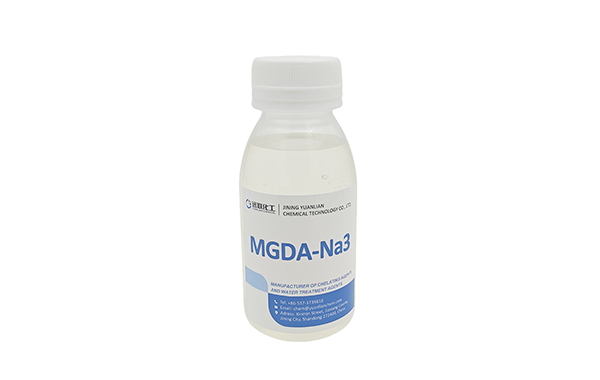
The phosphate ban that reshaped European dishwashing in 2017 left formulators looking for a builder that could do what sodium tripolyphosphate did, without the environmental baggage. MGDA-Na3 stepped into that role. As a phosphate-free builder and chelating agent, Trisodium Methylglycine Diacetate holds magnesium and calcium in check at the high pH and temperature where dishwashing happens, then biodegrades after the rinse water goes down the drain.
If you are reformulating a dishwashing or laundry product and have been told to try MGDA, this guide explains the chemistry, the dosing, and the common mistakes that cost formulators time.
What MGDA-Na3 Is and Why It Replaced STPP
MGDA-Na3 carries CAS number 164462-16-2 and the INCI name Trisodium Methylglycine Diacetate. The molecule starts from glycine, the simplest amino acid, and gains two acetate groups that do the chelating work. The result binds magnesium tightly at high pH, which is exactly what a dishwasher needs.
Sodium tripolyphosphate, or STPP, did the same job through the phosphate group. The trouble was what happened after the wash. Phosphates feed algal blooms in rivers and lakes, which is why the EU banned them in dishwasher tablets from 2017 and in consumer laundry earlier. MGDA-Na3 performs the builder role without any phosphorus in the molecule, so it passes the same discharge rules that killed STPP.
The magnesium focus matters more than most formulators first realise. Dishwasher glassware develops white filming mostly from magnesium and calcium deposits, not from soil. A builder that locks up magnesium at pH 11 to 12.5 keeps that filming from forming in the first place.
The Chemistry: Why Magnesium Binding Wins in the Dishwasher
Automatic dishwashing runs hot and alkaline. The wash cycle sits around 50 to 70 degrees Celsius and pH 11 to 12.5. Under those conditions, many chelating agents lose their grip on metal ions. MGDA-Na3 holds steady.
The key is the stability constant across the working pH range. MGDA's magnesium complex stays intact where GLDA and other amino-acid chelators begin to release the ion back into solution. This is not a small difference. A chelator that drops 20 per cent of its binding capacity at pH 12 leaves visible spotting on glass, and the consumer sees it immediately.
Calcium also matters, but in the dishwasher it is the secondary problem. MGDA handles calcium adequately while excelling at magnesium. Formulators who need heavier calcium coverage often blend MGDA with GLDA, which targets calcium strongly. The blend covers both ions without overshooting the cost.
Dosing MGDA-Na3 in Dishwasher Tablets
Dishwasher tablets carry the highest MGDA load of any consumer format. A typical automatic dishwashing detergent uses MGDA-Na3 at 15 to 30 per cent of total tablet weight. The rest is sodium carbonate, sodium percarbonate, a bleach activator, enzymes, and a rinse aid polymer.
The dosing logic follows the water hardness your market targets. In soft-water regions below 150 ppm, the lower end of the range works. In hard-water regions above 300 ppm, you push toward the top end. The tablet must deliver enough builder to neutralise the hardness across the full wash and rinse cycle, not just the main wash.
A common mistake is under-dosing MGDA because it costs more per kilogram than STPP. The result is filming on glass in hard-water areas and a consumer complaint that shows up in reviews. When in doubt, dose for the hardest water your product claims to handle, then verify with a 50-cycle dishwasher test on clean glassware.
Powder and gel dishwashing formats use similar logic at slightly lower loads. Gels run MGDA at 10 to 20 per cent because the rinse aid polymer carries more of the anti-filming duty. Powders sit between tablets and gels.
MGDA-Na3 in Laundry Detergents
Laundry runs cooler and less alkaline than dishwashing, but magnesium still causes problems. Grey filming on fabrics comes from magnesium-calcium complexes that deposit and build up over repeated washes. MGDA-Na3 prevents this deposit while supporting the detergent's cleaning action.
Most laundry formulators blend MGDA with GLDA rather than using either alone. A 50:50 blend covers magnesium from MGDA and calcium from GLDA across the wash pH range. In liquid laundry, the dose runs 1 to 3 per cent. In powder, it runs 2 to 4 per cent because the powder sits longer on the fabric and needs more builder to hold the metal load.
The enzyme compatibility is worth noting. Modern laundry detergents pack protease, amylase, and lipase enzymes for stain removal. Some builders interfere with these enzymes by stripping the calcium ions they need as co-factors. MGDA-Na3 shows less interference than older chelators, so the enzymes stay active alongside the builder.
Replacing STPP: A Straightforward Substitution
Formulators switching from STPP to MGDA-Na3 often ask about the substitution ratio. The short answer is one to one by builder function, not by weight.
STPP typically runs at 20 to 35 per cent in a phosphate-era tablet. MGDA-Na3 runs at 15 to 30 per cent because it binds more metal per gram. The exact ratio depends on your water hardness target and the rest of the formula. A bench trial with a 50-cycle dishwasher test settles it in two to three rounds.
The cost shift is real but smaller than the per-kilogram price suggests. MGDA costs more per kilogram than STPP, but you use less of it, and you drop the phosphate surcharges that some discharge permits add. Formulators who run the total-cost calculation usually find the gap manageable, especially once retailer approval and environmental claims enter the picture.
Biodegradability and the Environmental Claim
MGDA-Na3 is readily biodegradable under OECD 301 testing. After the wash water leaves the machine, the molecule breaks down through natural microbial action rather than accumulating in waterways. This matters for two reasons.
First, it keeps your product clear of phosphate restrictions and lets you make a defensible environmental claim. Second, it answers the customer's growing question about what happens to the detergent after it goes down the drain. Formulators who can document biodegradability have a stronger story for both regulators and retailers.
When a customer asks for the environmental data, you forward the OECD 301 report from your supplier. A recognised test method carries far more weight than a generic green claim on the label.
For more on how builders and chelating agents work in detergent systems, see this resource from the American Cleaning Institute.
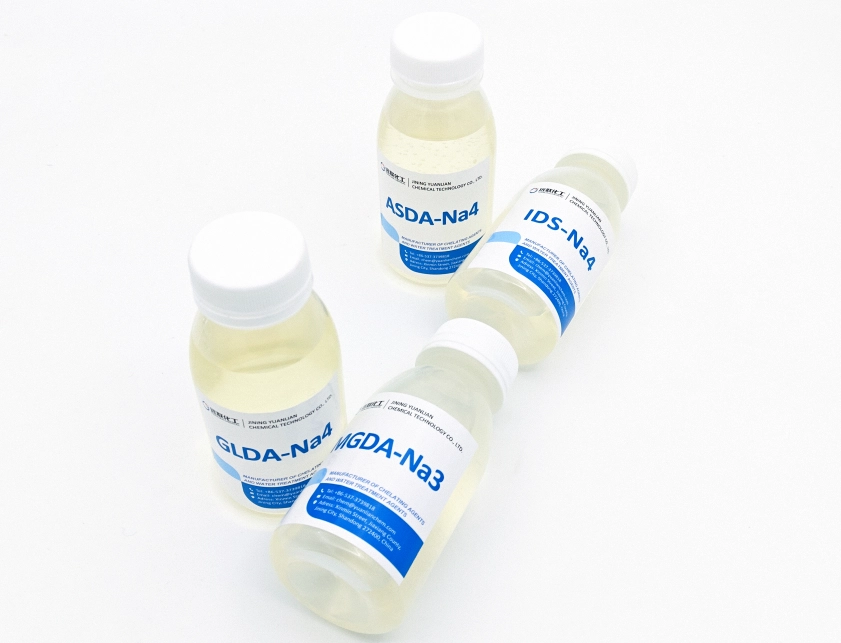
For specifications, samples, and formulation support on MGDA-Na3, GLDA-Na4, and the full green chelator range, visit the Yuanlian Chemical product centre and request a free evaluation sample.
Latest News




Need help
Prefer speaking with a human to filling out a form? call corporate office and we will connect you with a team member who can help.