11 Mar
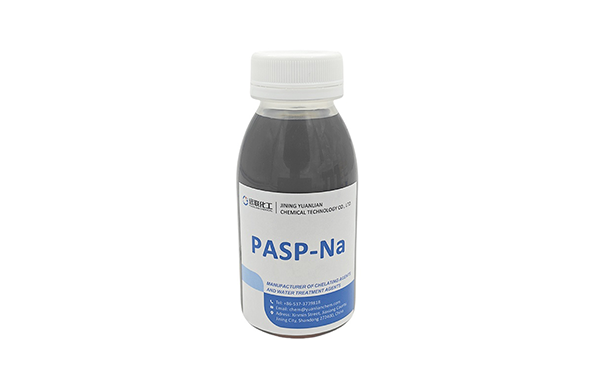
PASP: Green and Efficient, Reshaping the Water Treatment Landscape
Landscape
In the water treatment industry, finding solutions that are both efficient and environmentally friendly has always been a core pursuit. With the continuous advancement of technology, a new material called polyaspartic acid (PASP) is gradually emerging as a new favorite in the water treatment industry.
A New Benchmark for Environmental Protection: Non-toxic, Biodegradable, Zero-Burden Water Treatment
Traditional water treatment chemicals, some of which contain elements such as phosphorus, can easily cause eutrophication and place a heavy burden on the ecological environment. PASP addresses this problem at its root. It is phosphorus-free, non-toxic, pollution-free, and fully biodegradable. Once PASP completes its water treatment mission, it is rapidly decomposed by microorganisms into carbon dioxide and water in the natural environment, leaving no harmful residues in water or soil. This truly achieves a harmonious symbiosis between water treatment and environmental protection. This outstanding environmental performance has earned PASP international recognition as a "green chemical," setting a new benchmark for sustainable development in the water treatment industry. Excellent Performance: A Powerful Dual Agent for Scale and Corrosion Inhibition
1.Strong Scale Inhibition, Keeping Pipes Clear
Scale formation is a significant problem in industrial circulating water, boiler water, and other systems. Once scale deposits such as calcium carbonate and calcium sulfate form on pipes and equipment, they not only reduce heat exchange efficiency and increase energy consumption, but in severe cases can also cause pipe blockages, disrupting normal production. PASP, with its unique molecular structure, effectively chelates scale-forming ions such as calcium and magnesium, effectively preventing scale formation. Experimental data shows that PASP can achieve a 100% scale inhibition rate against calcium carbonate. In complex systems with high hardness, high alkalinity, high pH, and high concentrations, its scale inhibition performance far outperforms commonly used phosphine-based scale inhibitors. For example, after introducing PASP as a scale inhibitor in the circulating cooling water system of a large chemical company, equipment scaling rates were significantly reduced, heat exchange efficiency was significantly improved, and significant energy cost savings were achieved annually.
2.Corrosion Inhibition, Extending Equipment Life
In addition to its outstanding scale inhibition capabilities, PASP also excels in corrosion inhibition. It forms a dense protective film on metal surfaces, effectively isolating the metal from water and its corrosive substances, thereby preventing corrosion of metal equipment. Whether in general industrial water environments or specialized applications like seawater desalination, where certain corrosive conditions exist, PASP provides excellent corrosion inhibition, significantly extending equipment life and reducing equipment replacement costs.
Multi-scenario Application, Comprehensive Support for Water Treatment
Industrial Circulating Water Systems: Industrial circulating water systems consume large volumes and place high demands on water quality. PASP effectively controls scaling and corrosion, maintaining stable system operation. For example, a steel plant using PASP to treat its circulating water has significantly reduced equipment maintenance and improved production continuity.
Reverse Osmosis Systems: In reverse osmosis treatment, PASP prevents scaling and fouling on the membrane surface, ensuring high membrane permeability and long life, reducing operating costs and improving product water quality.
In wastewater treatment: In industrial and domestic wastewater treatment, PASP can be combined with other flocculants to promote flocculation, effectively removing suspended solids, heavy metal ions, oils, and other pollutants from the water, improving wastewater treatment efficiency and helping achieve compliance with discharge standards.
With growing environmental awareness and the continuous development of water treatment technology, PASP, a green and efficient water treatment agent, is poised for even broader application prospects. It not only provides businesses with high-quality water treatment solutions but also drives the entire water treatment industry towards a greener and more efficient approach. Choosing PASP means choosing a more environmentally friendly, efficient, and future-oriented water treatment method. Let us all look forward to PASP creating even more miracles in the water treatment field and contributing to the protection of the earth's water resources.
Latest News



Need help
Prefer speaking with a human to filling out a form? call corporate office and we will connect you with a team member who can help.