12 Mar
PASP: Injecting New Green Vitality into Agricultural Development
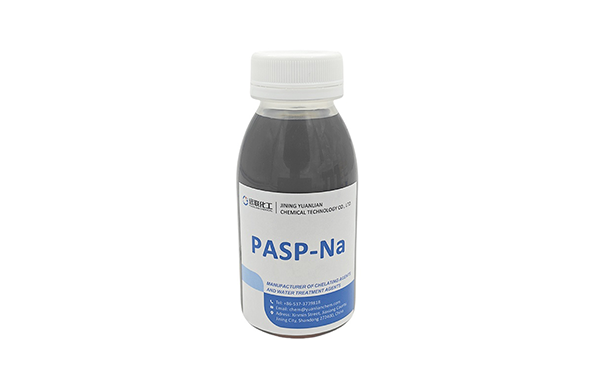
In recent years, polyaspartic acid (PASP), an emerging agricultural adjuvant, has been revolutionizing agriculture with its exceptional performance, injecting new vitality into traditional agriculture.
A "Magic Wand" for Fertilizer Efficiency Enhancement: Improving Nutrient Utilization and Reducing Fertilization Costs
Traditional fertilization methods often suffer from low fertilizer utilization efficiency. Large amounts of nutrients are lost or trapped in the soil before being fully absorbed by crops, resulting in not only resource waste but also potential negative environmental impacts. The emergence of PASP, like a magical "magic wand," has effectively reversed this situation. Its molecular chain is rich in active groups, such as amino and carboxyl groups, which form stable complexes with nitrogen, phosphorus, potassium, and various trace elements in fertilizers, significantly improving nutrient availability. For example, in nitrogen fertilizers, PASP inhibits urea hydrolysis, reduces ammonia volatilization and nitrogen leaching, significantly minimizing nitrogen loss, thereby prolonging fertilizer effectiveness and improving fertilizer utilization. Numerous practical data demonstrates that the application of PASP can save an average of approximately 22% in chemical fertilizer use per mu (approximately 1.5 acres), truly achieving the goal of "use less, harvest more." At a large wheat production base, using fertilizers supplemented with PASP increased wheat's nitrogen utilization rate from 30% to over 40%. Despite reduced fertilizer application, wheat yields continued to grow steadily, saving farmers significant fertilizer costs.
A "Guardian" of Soil Health: Regulating the Soil Environment and Improving Soil Structure
Healthy soil is the foundation for the healthy growth of crops. However, long-term, inappropriate fertilization and high-intensity cropping have led to increasingly serious problems such as soil acidification, compaction, and salinization. PASP, with its unique properties, has become a "guardian" of soil health. It rapidly adjusts soil pH, gradually bringing both acidic and alkaline soils back to a neutral range suitable for crop growth. PASP also breaks down soil salts that cause soil compaction into ions that can be absorbed by crops, helping the soil form a large aggregate structure, significantly improving its ability to retain water and nutrients. Furthermore, PASP activates fixed nutrients in the soil, ensuring that nitrogen, phosphorus, and potassium remain highly available at all times. This promotes crop absorption of trace elements such as iron, zinc, and manganese, effectively preventing nutrient deficiencies. In one vegetable-growing area, after years of continuous use of fertilizers containing PASP, previously compacted soil became loose and fertile, soil microbial activity was significantly enhanced, and vegetable yield and quality were significantly improved.
A "Booster" for Crop Growth: Promotes Root Development and Enhances Stress Resistance
The development of a crop's root system is directly related to its growth and stress resistance. PASP excels in promoting root growth. When fertilizers containing PASP are applied, crops develop more branched roots and root hairs, resulting in a stronger and denser root system. This allows them to better and more quickly absorb nutrients and water from the soil, ensuring robust growth above ground. Crops with well-developed root systems significantly enhance their resistance to lodging. PASP also improves crop resilience, enhancing their ability to withstand adverse environmental conditions such as cold, drought, and disease. For example, during cold snaps, crops treated with PASP suffer significantly less frost damage than those not treated. During droughts, PASP also provides greater resistance, mitigating drought-related losses. Furthermore, PASP accelerates the crop growth cycle, accelerating maturity by 7-10 days, giving growers a head start in the market. It also extends the harvest period by 10-15 days, significantly increasing crop returns.
A "practitioner" of green agriculture: non-toxic, harmless, and biodegradable
With environmental protection becoming increasingly popular, green agriculture has become an inevitable trend in agricultural development. PASP perfectly aligns with this development trend. It is non-toxic, non-polluting, hormone-free, and free of heavy metals. It is a polymerized amino acid substance that is rapidly decomposed by soil microorganisms into environmentally friendly water, ammonia, and carbon dioxide, without any impact on the soil or the surrounding ecosystem. Furthermore, PASP participates in the plant tricarboxylic acid cycle and can be fully absorbed and utilized by plants, truly returning to the soil from which it originates, making it a true "practitioner" of green agriculture. Its environmentally friendly characteristics not only meet the current needs of sustainable agricultural development, but also ensure a pristine environment for future generations.
As a rising star in the agricultural sector, PASP is playing a vital role in all aspects of agricultural production with its multiple advantages, including excellent fertilizer efficiency enhancement, soil improvement, crop growth promotion, and environmental friendliness. It has brought tangible economic benefits to growers and provided strong support for the sustainable development of agriculture. We believe that with the further promotion and application of PASP in the future, it will shine even brighter in the agricultural sector, helping us move towards a new era of greener, more efficient, and sustainable agriculture. Let us work together to embrace the new agricultural changes brought about by PASP and contribute to protecting our planet and ensuring food security.
Latest News



Need help
Prefer speaking with a human to filling out a form? call corporate office and we will connect you with a team member who can help.