08 Dec
The Revolutionary Role of Glutamic Acid Diacetate Tetrasodium in Industrial Water Treatment
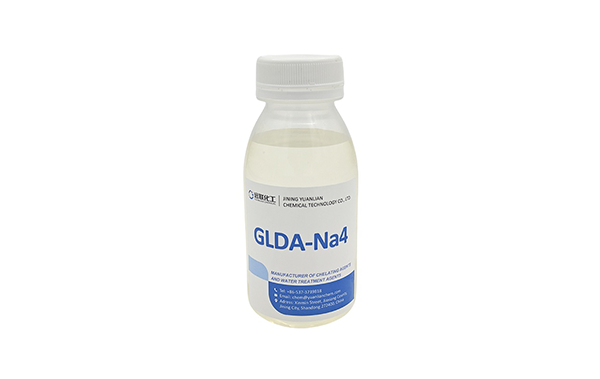
Industrial water treatment is a critical component of modern manufacturing and processing industries, ensuring the efficient operation of systems like cooling towers, boilers, and wastewater plants. Among the innovative solutions gaining prominence, Glutamic Acid Diacetate Tetrasodium (GLDA) stands out as a highly effective and environmentally friendly chelating agent. Derived from glutamic acid, an amino acid, GLDA offers unique properties that make it ideal for tackling common water treatment challenges such as scale formation, corrosion, and metal ion contamination. This article explores the multifaceted applications of GLDA in industrial settings, highlighting its benefits over traditional chemicals and its growing adoption in sustainable water management practices.
GLDA is a sodium salt of glutamic acid diacetate, characterized by its strong chelating ability to bind with metal ions like calcium, magnesium, and iron. This chemical structure allows it to form stable complexes, preventing the precipitation of scale-causing minerals. Unlike older chelants such as ethylenediaminetetraacetic acid (EDTA) or phosphates, GLDA is fully biodegradable and non-toxic, aligning with global trends toward greener industrial processes. In cooling water systems, for instance, GLDA effectively inhibits scale buildup on heat exchange surfaces, maintaining thermal efficiency and reducing energy consumption. By sequestering hardness ions, it ensures smooth operation without the risk of fouling that can lead to costly downtime and maintenance.
In boiler water treatment, GLDA plays a vital role in corrosion control. High temperatures and pressures in boilers can accelerate metal degradation, but GLDA's chelating action protects internal surfaces by forming a protective layer that minimizes oxidative damage. This not only extends equipment lifespan but also enhances safety by preventing leaks and failures. Additionally, GLDA is used in wastewater treatment plants to remove heavy metals from effluents. Its ability to bind with contaminants like lead, copper, and zinc facilitates efficient removal during precipitation or filtration stages, ensuring compliance with environmental regulations. For example, in the textile or chemical manufacturing sectors, GLDA-based treatments have demonstrated significant reductions in metal discharge, improving water quality for reuse or safe disposal.
The advantages of GLDA extend beyond its technical performance. As a bio-based chemical, it offers superior sustainability compared to synthetic alternatives. It degrades rapidly in natural environments, reducing the risk of persistent pollution and eutrophication in water bodies. This eco-friendly profile makes it a preferred choice for industries aiming to meet corporate social responsibility goals and regulatory standards like the EU's REACH or the US EPA guidelines. Moreover, GLDA is cost-effective in the long run due to its high efficiency at low dosages, minimizing chemical consumption and waste generation. Case studies from power plants and refineries show that integrating GLDA into water treatment protocols can cut operational costs by up to 20% while boosting system reliability.
Looking ahead, the adoption of GLDA is poised to grow as industries prioritize sustainability and efficiency. Innovations in formulation, such as combining it with other green additives, could further enhance its versatility in diverse applications. However, challenges like optimizing dosage for specific water chemistries require ongoing research. Overall, GLDA represents a forward-thinking solution that not only addresses immediate water treatment needs but also contributes to a circular economy by promoting water conservation and reduced environmental impact. As global water scarcity intensifies, embracing such advanced chelants will be key to sustainable industrial growth.
Latest News



Need help
Prefer speaking with a human to filling out a form? call corporate office and we will connect you with a team member who can help.